




The best Skincare Routine for Oily Skin starts with a gentle gel cleanser, followed by niacinamide, a lightweight moisturiser and broad-spectrum SPF. At night, double cleansing, salicylic acid and retinoids help reduce oil, unclog pores and prevent acne. Consistency is the most important part of a dermatologist-approved routine.
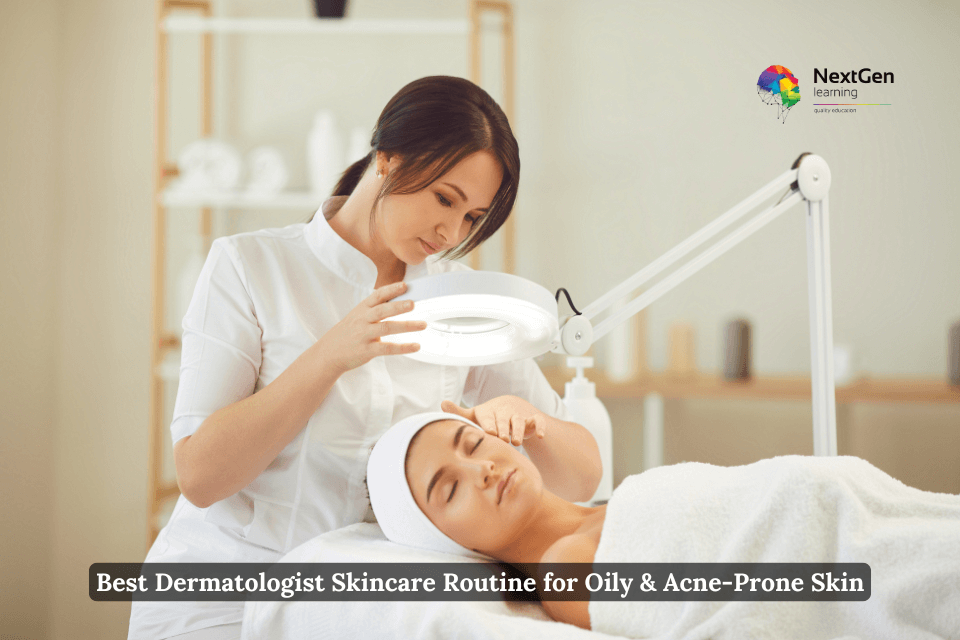
Best Dermatologist Skincare Routine for Oily & Acne-Prone Skin (Clear Skin Guide 2026)
Achieving clear, healthy and glowing skin can feel overwhelming, especially when you’re constantly searching for the Skincare Routine for Oily Skin, the Best Skincare for Acne, or even the Best Skincare for Sensitive Skin, yet still not seeing real results. Many people also struggle with dryness and spend hours online looking for the Best Skincare for Dry Skin, while others just want to understand How to Fix Damaged Skin Barrier because their skin feels irritated, tight or reactive. And of course, countless people simply want to know How to Get Glowing Skin Naturally without relying on harsh treatments or expensive products.
The truth is simple: clear, glowing and healthy skin requires more than just trying random skin care products. It requires understanding how your skin works, why it reacts the way it does, and which skincare steps genuinely help rather than harm. Fortunately, this guide gives you exactly that — the full dermatology-backed explanation behind oily skin, acne, dry skin, sensitive skin, barrier damage, pigmentation, anti-ageing skincare and everything in between. Whether you’re following the Best Skincare for Dry Skin or trying the Best Skincare for Sensitive Skin, getting the routine right is critical.
Most importantly, this guide will help you build a dermatologist-approved skin care routine that suits your skin type perfectly — whether you need a Skincare Routine for Oily Skin, the Best Skincare for Acne, or guidance on How to Fix Damaged Skin Barrier. If you’ve been confused, frustrated or disappointed by your skin despite trying new products, this guide will give you clarity. And by the end, you’ll not only understand your skin deeply, but you’ll also discover How to Get Glowing Skin Naturally using the right approach.
Table of Contents
Understanding Your Skin Type — The Foundation of Skincare
When dermatologists work with a new patient, they do not begin by recommending skin care products. Instead, they start by analysing the skin type. This is crucial because if you don’t understand your skin properly, you will always choose the wrong products — whether you’re seeking the Best Skincare for Dry Skin or building a Skincare Routine for Oily Skin.
Many people think they have oily skin simply because they experience shine, but in reality, dehydrated skin can also produce excess oil. Similarly, people often believe they have sensitive skin, when they actually just have a weakened barrier that needs the Best Skincare for Sensitive Skin. Additionally, many individuals with dry skin assume they need heavier creams, when they actually need hydration plus barrier repair.
Understanding these distinctions immediately improves how you treat your skin. It also helps you choose the Best Skincare for Acne, the Best Skincare for Dry Skin, or the Best Skincare for Sensitive Skin without wasting time or money.
Oily Skin — Why It Happens & How to Manage It
Oily skin happens when your skin makes too much oil. This can come from hormones, family traits, stress, hot weather, or using the wrong products. When your skin makes too much oil, your pores can clog and breakouts can appear. However, you should not use harsh cleansers to dry your skin. This actually makes oily skin worse. It also weakens your skin barrier and can make you search for How to Fix Damaged Skin Barrier later.
Many people with oily skin look for the best Skincare Routine for Oily Skin, because it can be hard to balance oil and moisture. Dermatologists say oily skin needs a routine that is gentle and steady. It should lower extra oil without hurting the skin barrier. Therefore, a calm and simple approach is the safest way to care for oily skin.
A simple routine works best. For example, use a light gel cleanser, niacinamide serum, an oil-free moisturiser and sunscreen in the morning. At night, add salicylic acid to clean out pores. Retinoids also help smooth the skin and stop new spots from forming. These steps are finally part of the Best Skincare for Acne.
Acne-Prone Skin — How Acne Develops and How to Treat It
however, in reality it develops inside the pore due to clogged sebum, dead cells and bacterial activity. Additionally, stress, hormones and lifestyle patterns often play a major role. Because of this, many people search for the Best Skincare for Acne, hoping for fast solutions that actually require consistency.
For this reason, the Best Skincare for Acne focuses on unclogging pores, regulating oil, reducing inflammation and strengthening the barrier. Furthermore, salicylic acid penetrates deep into pores to dissolve blockages, while retinoids boost cell turnover and prevent new breakouts. Therefore, using the right active ingredients in the correct order is important for long-term results.
Although acne can be stubborn, it is absolutely treatable with the right routine. For example, pairing the Best Skincare for Acne with a structured Skincare Routine for Oily Skin helps unclog pores and balance excess oil. Dermatologists always emphasise consistency in skincare because daily habits create long-term results and finally, support clearer, healthier skin.
Dry Skin — Why Your Skin Feels Tight or Flaky
Dry skin lacks both oil and moisture. This makes the skin feel tight, uncomfortable and prone to irritation. Many people with dry skin struggle with rough patches, uneven texture, premature fine lines and dullness. Consequently, the search for the Best Skincare for Dry Skin is extremely common.
To improve dry skin, dermatologists recommend using cream cleansers, hydrating serums and rich moisturisers that include ceramides, fatty acids and glycerin. Instead of exfoliating frequently, hydration should be your priority. Sunscreen remains essential, as dry skin burns more easily and ages faster.
People who misunderstand their dryness often end up damaging their barrier, forcing them to look up How to Fix Damaged Skin Barrier before addressing the dryness itself.
Sensitive Skin — Why Your Skin Reacts to Almost Everything
Sensitive skin can be caused by genetics, inflammation or an impaired barrier. People with sensitive skin often find themselves searching for the Best Skincare for Sensitive Skin because their skin reacts to fragrance, alcohol, exfoliants or temperature changes.
Harsh scrubs, strong acids, fragrance and over-cleansing can weaken the barrier over time. This makes even mild products feel uncomfortable and increases the need for How to Fix Damaged Skin Barrier. That’s why the Best Skincare for Sensitive Skin includes fragrance-free, gentle formulas that focus on calming, hydrating and protecting the skin.
Niacinamide, aloe vera and ceramides are ideal for reducing sensitivity, while avoiding alcohol-heavy toners or rough exfoliants helps prevent further irritation.
The Skin Barrier — Why It Breaks and How to Repair It
The skin barrier keeps moisture in and irritants out. When damaged, your skin may suddenly become oily, dry, sensitive or acne-prone — sometimes all at once. This is why millions search for How to Fix Damaged Skin Barrier every month.
A damaged barrier often leads to:
- redness
- burning
- stinging
- breakouts
- flakiness
- tightness
- sensitivity
Repairing your barrier involves simplifying your routine, using hydrating serums, applying ceramide-rich moisturisers and reducing the use of harsh active ingredients. Once repaired, your skin becomes clearer, more resilient and naturally glowing — helping you begin learning How to Get Glowing Skin Naturally with a healthy foundation.
The Best Dermatologist-Approved Skincare Routine for Oily & Acne-Prone Skin
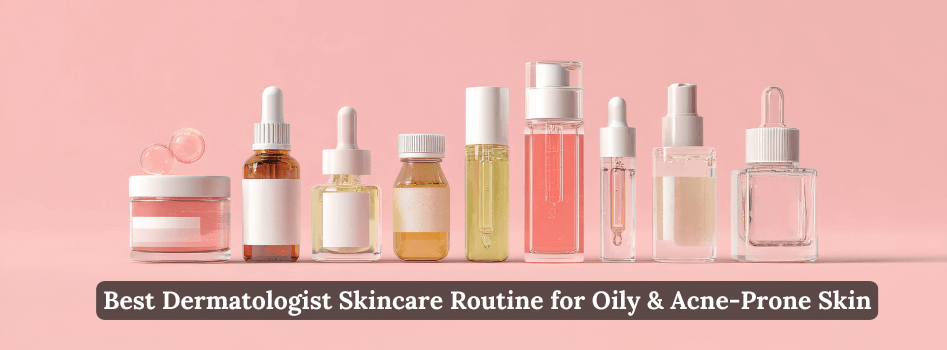
A proper skincare routine is the foundation of healthy skin. Dermatologists follow a structure designed to support the barrier while treating skin concerns effectively. This is especially true when building a Skincare Routine for Oily Skin or selecting the Best Skincare for Acne.
Morning Routine
Start with a gentle gel cleanser followed by niacinamide to balance oil. Moisturise lightly and finish with sunscreen. This routine prevents dehydration and reduces excessive shine without irritating the skin — a key step in any Skincare Routine for Oily Skin.
Evening Routine
At night, double cleanse to remove sunscreen and impurities. Incorporate salicylic acid to keep pores clean and follow with a retinoid to improve acne and smooth texture as part of the Best Skincare for Acne. End with a calming moisturiser to prevent irritation and strengthen the barrier.
This method forms the cornerstone of the Best Skincare for Acne, especially when combined with a consistent Skincare Routine for Oily Skin.
Dermatologist's Routine for Dry Skin & Sensitive Skin
Dry and sensitive skin require a different approach. Cream cleansers protect the skin’s natural oils, while hydrating serums and barrier-building moisturisers repair dryness and sensitivity.
This guidance applies to both the Best Skincare for Dry Skin and the Best Skincare for Sensitive Skin. Sunscreen remains essential even for those with sensitive skin, as UV exposure worsens redness and irritation.
Treating Acne Scars & Pigmentation the Dermatologist Way
Acne scars are a common concern, especially after years of breakouts. Fortunately, skincare for acne scars can significantly improve their appearance with consistency. This is often paired with the Best Skincare for Acne.
Anti-Ageing Skincare & Natural Glow Enhancement
Many people want younger, fresher skin without invasive treatments. Anti-aging skincare offers powerful yet gentle ways to achieve smoother, brighter, and healthier skin. Retinoids help with collagen production, vitamin C brightens the complexion, and hydration enhances the skin’s natural glow.
People often search for how to get glowing skin naturally. While there are many “glowing skin tips” online, dermatologists consistently highlight hydration, barrier repair, balanced exfoliation, sleep, and sun protection as the real secret.Glowing skin is a by-product of a healthy barrier, not a quick fix.
Choosing the Right Skin Care Products — What Dermatologists Recommend
Choosing skin care products can feel overwhelming, especially with endless brands and new launches. Nevertheless, dermatologists prioritise ingredients that strengthen the barrier and work consistently. Non-comedogenic, fragrance-free products are often the safest choices, especially for acne-prone or sensitive skin.
It’s important to avoid mixing too many active ingredients at once. Transitioning slowly allows your skin to adjust without becoming irritated. Whether your goal is acne control, barrier repair, dryness reduction, or anti-ageing, choosing the right products makes all the difference.
Your Long-Term Skincare Solution — Learn Dermatology the Right Way
Although this guide gives you a complete understanding of your skin, fundamental transformation comes from expert guidance and structured education. Guessing your way through skincare leads to frustration, but learning directly from professionals gives you clarity, confidence, and lifelong results.This is why the Dermatology & Skincare Level 5 Course is the perfect next step.
What You Get To Know:
- Analyse skin with the precision and confidence of a professional
- Build perfect routines tailored to oily, dry and sensitive skin
- Understand how acne truly develops and treat it safely and effectively
- Perform skin barrier repair using the correct dermatology-based methods
- Break down ingredients from a scientific perspective and use them wisely
- Create personalised skincare plans that deliver real results
- Apply anti-ageing skincare correctly for long-term benefits
- Identify sensitivity triggers and manage them with expert techniques
Instead of guessing, you’ll understand why products work and how to use them correctly. Whether you want to improve your own skin or build a career in skincare, this course gives you the tools you need.
Suppose you’re also interested in improving your body skin, such as reducing ingrown hairs or shaving irritation. In that case, you may find the Laser Hair Removal Training Course incredibly valuable. It pairs perfectly with dermatology knowledge and enhances your professional skillset.
Bonus Professional Skill — Laser Hair Removal Training Course
Just as facial skincare transforms confidence, body skincare plays a huge role in how smooth, comfortable, and irritation-free your skin feels daily. Many people struggle with ingrown hairs, razor bumps, dark spots from shaving, or constant irritation — issues that traditional skincare alone can’t fully resolve.
This is why dermatologists and aesthetic professionals increasingly combine skincare knowledge with laser hair removal expertise. Laser treatments don’t just reduce unwanted hair; they also minimise ingrown hairs, smooth the skin, and prevent the recurring inflammation caused by shaving and waxing. When performed correctly, the results are long-lasting and dramatically improve overall skin health.For anyone passionate about skincare — whether you’re improving your own routine or building a professional path — learning laser hair removal is one of the most powerful add-on skills available. It deepens your understanding of skin types, enhances your ability to treat body concerns, and opens doors to a fast-growing area of the aesthetics industry.
Final Thoughts
Healthy skin is not about using more products — it’s about using the right products in the right way. Whether you’re fighting acne, oiliness, dryness, sensitivity, or ageing, your skin can absolutely improve when you follow dermatology principles instead of guesswork.

Frequently Asked Questions Of Best Dermatologist Skincare Routine for Oily & Acne-Prone Skin (Clear Skin Guide)
The Best Skincare for Acne typically includes salicylic acid, retinoids, benzoyl peroxide, niacinamide and non-comedogenic moisturisers. These ingredients unclog pores, reduce inflammation and prevent breakouts. Using them correctly is essential to avoid irritation or barrier damage.
To build the Best Skincare for Sensitive Skin, choose fragrance-free, alcohol-free and gentle formulas. Dermatologists recommend niacinamide, ceramides, hyaluronic acid and aloe vera. Avoid scrubs, strong acids and essential oils. Patch-testing is very important to prevent reactions.
If you’re wondering How to Fix Damaged Skin Barrier, start by stopping exfoliants, scrubs and harsh actives. Use ceramide-rich moisturisers, hydrating serums, niacinamide and gentle cleansers. Avoid fragrance and alcohol. With consistent repair, the barrier restores itself within 2–6 weeks.
The Best Skincare for Dry Skin includes a cream cleanser, hyaluronic acid serum, ceramide moisturiser and SPF. Dry skin needs both hydration and lipids. Avoid foaming cleansers and heavy exfoliation as these worsen dryness and cause irritation.
You can How to Get Glowing Skin Naturally by focusing on hydration, gentle exfoliation, retinoids, vitamin C and barrier repair. Drink enough water, sleep well and use sunscreen daily. Natural radiance appears when your barrier is strong and your routine is consistent.
Yes. A structured Skincare Routine for Oily Skin often overlaps with the Best Skincare for Acne because both conditions involve excess oil and clogged pores. Using BHA cleansers, niacinamide and retinoids is highly effective for both oily skin and acne-prone skin.
Sometimes yes, because many people with acne also have a weakened barrier. A gentle routine like the Best Skincare for Sensitive Skin helps reduce irritation, allowing acne treatments to work better. Once sensitivity improves, salicylic acid and retinoids can be slowly reintroduced.
If your skin feels tight, flaky or rough, you might need the Best Skincare for Dry Skin. But if your skin stings, burns or reacts easily, you may need to learn How to Fix Damaged Skin Barrier. Dryness is lack of moisture; a damaged barrier is lack of protection. Both can happen together.
The fastest way to How to Get Glowing Skin Naturally is to hydrate your skin deeply, repair your barrier, use antioxidants and apply sunscreen daily. Glow disappears when the barrier is damaged, so combining hydration with barrier repair gives the quickest and safest visible glow.

Dermatology & Skincare Course Level 5 | Professional Dermatology Training
Certificate:
yes (Free)
Accreditation:
Level 5 CPD Certificate
Access:
Lifetime

0 responses on "Best Dermatologist Skincare Routine for Oily & Acne-Prone Skin (Clear Skin Guide 2026)"