



Popular Courses

Brand
Awarding body image

Finance Principles – Online Course UK

Overview of Finance Principles | CPD Accredited Finance Course

Recent industry reports show that over 70% of employers in the UK value financial literacy and financial management skills as essential for business decision-making. Therefore, enrolling in a finance course today is not just beneficial—it is becoming a key requirement for career growth. This finance principles course is designed to help you understand how money flows within a business, while also building strong foundations in business finance, financial analysis, and financial planning. As a result, you will gain the confidence to interpret financial data and contribute to real-world business decisions.

Moreover, this financial management course provides a clear and structured learning path, especially for beginners and non-finance professionals. You will explore essential topics such as financial statements, budgeting, cash flow management, and corporate finance, while also understanding how financial markets operate. In addition, the course simplifies complex financial concepts into easy, practical lessons, so you can learn step by step without feeling overwhelmed. Therefore, whether you are looking to improve your skills or start a new career, this business finance course offers the right foundation.

Furthermore, this finance training course focuses on real-world application, so you can apply your knowledge in practical scenarios. Studies suggest that professionals with strong financial planning and analysis skills are more likely to advance into leadership roles. Consequently, this course helps you develop analytical thinking, improve decision-making, and understand financial performance in depth. Ultimately, this finance course online UK equips you with valuable, career-ready skills that support long-term success in finance and business.

Exclusive Course Glimpse

What You Will Learn in Finance Principles Course

This finance course for beginners is designed to build strong financial management and financial analysis skills step by step. Moreover, it starts with finance fundamentals and gradually moves towards corporate finance, valuation, and forecasting techniques.

By the end of this course, you will be able to:

  • Understand finance fundamentals: Learn core finance principles and financial management concepts
  • Analyse financial statements: Interpret balance sheets, income statements, and cash flow reports
  • Apply corporate finance concepts: Understand capital structure, risk, and return strategies
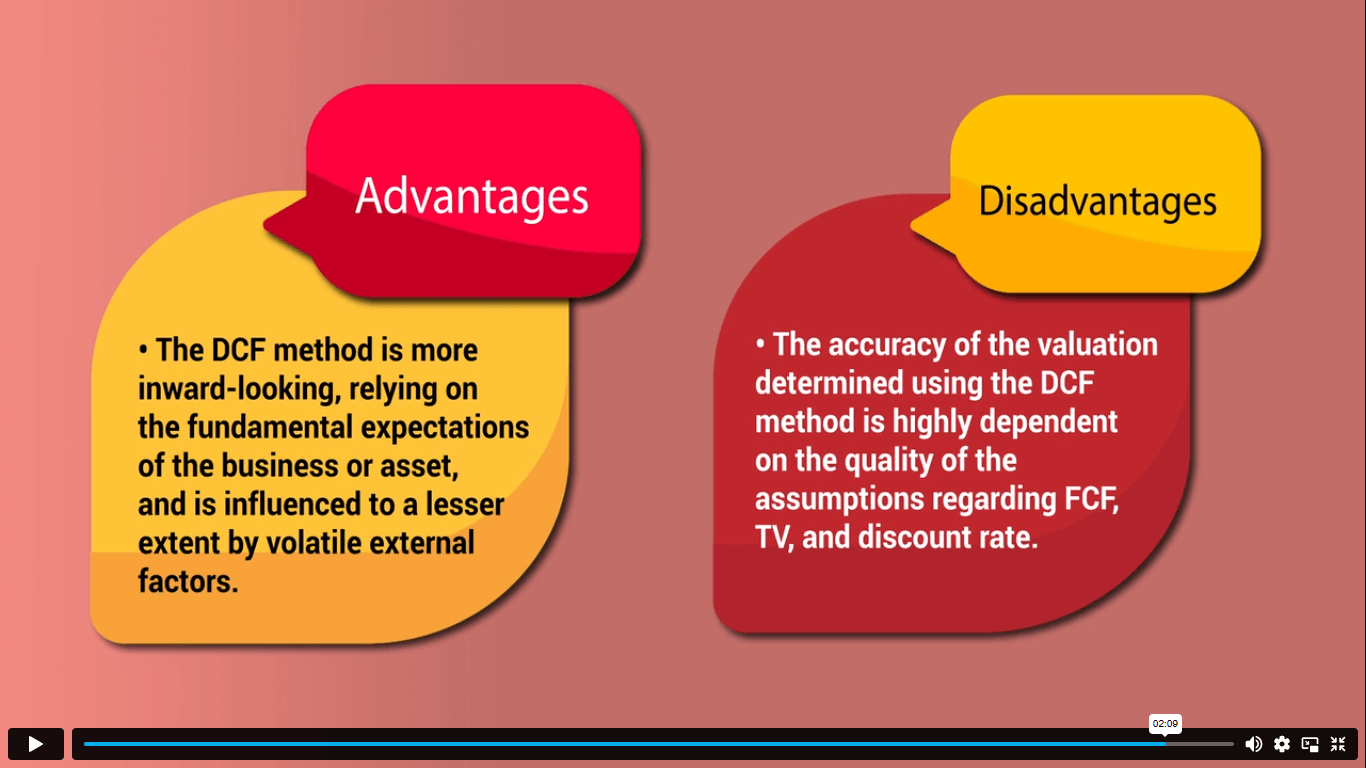
  • Evaluate investments: Use discounted cash flow and valuation methods effectively
  • Manage financial decisions: Improve budgeting, costing, and financial planning skills
  • Understand financial markets: Learn how markets influence business finance decisions
  • Apply ratio analysis: Measure financial performance, liquidity, and profitability
  • Use forecasting techniques: Apply financial forecasting and statistical tools

In addition, you will develop the ability to connect financial theory with real business scenarios. Furthermore, you will improve your decision-making skills by understanding how financial data impacts organisational success. Therefore, you will gain practical finance knowledge that is useful in both professional and personal contexts.

Ultimately, this financial planning course equips you with job-ready finance skills and builds confidence in handling financial responsibilities.

Why Choose Us?​

Many learners search for the best finance course online in the UK, but not all provide clear and practical training. Therefore, this course is designed to simplify financial management concepts while keeping real-world relevance.

In addition, this course offers key benefits:

  • Affordable Learning: Structured lessons for smooth progress
  • CPD-Certified: Strengthen your CV with recognised credentials
  • Lifetime Access: Learn anytime at your own pace
  • Instant Certificate: Receive certification upon completion
  • Flexible Scheduling: Study around your work or studies
  • Transparent Pricing: No hidden costs
  • Quick Assessments: Monitor your progress easily
  • 24/7 Support: Assistance via chat or email

Thus, this finance training course supports both skill development and career advancement.

Course Curriculum

Section 01: Finance And Free Market Economies

Finance and Free Market Economies: Understand how financial systems operate
Principles of Finance – Theory: Learn core financial theories and concepts
Discounted Cash Flow (DCF): Evaluate investment value and returns
Interest Rates, Bonds and Annuities: Understand financial instruments
Capital Market Theory: Explore risk, return, and market efficiency
Capital Asset Pricing Model (CAPM): Measure investment risk and return

Section 02: Corporate Finance

Portfolio Theory: Understand diversification and risk management
Corporate Finance: Learn business finance decision-making
Capital Structure: Explore debt vs equity strategies
Financial Leverage & WACC: Calculate cost of capital
Capital Budgeting Techniques: Evaluate investment opportunities
Financial Ratio Analysis: Assess company performance

Section 03: Company Stock Valuation & Derivatives

Stock Valuation: Understand company valuation methods
Free Cash Flow: Calculate financial performance indicators
Common Stock Valuation: Analyse equity investments
Derivatives: Learn options, futures, and swaps

Section 04: Option Valuation & Analysis

Option Pricing Models: Understand valuation techniques
Technical Analysis: Analyse market trends and patterns
Moving Averages & Indicators: Use trading analysis tools
Fundamental vs Technical Analysis: Compare analysis methods

Section 05: Financial Forecasting

Financial Forecasting: Predict financial performance
Regression & Correlation: Apply statistical tools
Time Series Analysis: Understand trends and patterns
Forecasting Methods: Use qualitative and quantitative techniques

Certificate of Achievement

Nextgen Certificate

After completing this finance course online, you will receive a CPD-accredited certificate to confirm your learning professionally.

You can typically choose:

  • PDF Certificate 
  • Hardcopy Certificate 

Moreover, certification helps learners:

📄 Strengthen your CV: Add a recognised finance certification
🎓 Demonstrate skills: Showcase financial management expertise
📈 Boost employability: Stand out in finance and business roles
Prove learning: Validate your professional development

Therefore, if you are looking for a finance certification online, this course is a strong choice.

Who Is This Course For?​

This business finance course is suitable for anyone interested in finance, accounting, and financial management.

This course is ideal for:

  • Beginners: Start learning finance principles from scratch
  • Managers: Improve financial decision-making skills
  • Business owners: Manage cash flow and financial planning effectively
  • Finance learners: Understand financial analysis and reporting
  • Students: Build strong finance fundamentals
  • Career changers: Enter finance and accounting roles

Moreover, this course is designed for both beginners and professionals. As businesses increasingly rely on financial data, understanding finance becomes more important. Therefore, this course helps learners develop practical and career-relevant skills.

So, even if you have no prior experience, you can start this finance course easily.

Accounting and finance course

Requirements​

There are no formal requirements for this finance training course. However, learners should have:

Basic English skills: To understand course materials
Device access: Computer, tablet, or smartphone
Internet connection: For online learning

Because this course is fully online, you can learn at your own pace. Therefore, you can revisit lessons anytime and improve your finance skills gradually.

Career Path of Finance Principles Course

Completing this financial management course can open doors to various finance and business careers.

Common career paths include:

  • Financial Analyst: £30,000 to £70,000
    Analyse financial data and support business decisions
  • Management Accountant: £35,000 to £65,000
    Handle internal financial reporting and planning
  • Finance Manager: £45,000 to £90,000
    Oversee financial operations and strategy
  • Business Analyst: £35,000 to £75,000
    Use financial insights to improve business performance
  • Investment Analyst: £40,000 to £85,000
    Evaluate investment opportunities and risks
  • Chief Financial Officer (CFO): £90,000 to £150,000+
    Lead financial strategy at executive level

However, salaries may vary depending on experience, industry, and location.

Order Your Certificate

To order your Certificate, we kindly invite you to visit the following link

Frequently Asked Questions -

The best finance course depends on your goals, however a structured finance principles course such as at NextGen Learning is ideal for beginners. It covers financial management, financial analysis, and business finance in a simple way. Moreover, online finance courses with certification provide flexible learning and recognised credentials. Therefore, choosing a CPD-accredited finance course is a strong option.

Some of the highest paid finance jobs include investment banker, finance manager, and CFO roles. These roles require strong financial management and decision-making skills. In addition, professionals with expertise in financial analysis and corporate finance often earn higher salaries. Therefore, completing a finance course can help you enter these high-paying roles.

You can study finance for free using online resources, videos, and finance blogs. However, structured finance courses provide better guidance and practical knowledge such as Finance Principles Course. Moreover, paid finance courses often include certification, which improves employability. Therefore, combining free learning with a certified finance course is recommended.

Finance will not be replaced by AI, but it will evolve with it. AI helps automate tasks like data analysis and forecasting, however human decision-making remains essential. In addition, finance professionals need analytical and strategic thinking skills. Therefore, learning finance principles is still highly valuable in the AI era.

A finance course helps you develop financial analysis, budgeting, and decision-making skills. You also learn how to interpret financial statements and manage cash flow. Moreover, it improves your understanding of business finance and investment strategies. Therefore, these skills are valuable in many careers.

Course Curriculum

Section 01: Finance And Free Market Economies
Finance and Free Market Economies 00:02:00
Principles of Finance – Theory (Part 1) 00:04:00
Principles of Finance – Theory (Part 2) 00:02:00
Discounted Cash Flow (DCF) 00:01:00
Interest Rates, Bonds and Annuities 00:03:00
Bonds 00:03:00
Bond Duration 00:02:00
Capital Market Theory – Risk & Return: Efficient Market Hypothesis 00:03:00
Security Market Line – Risk & Return 00:04:00
Security Market Line 00:02:00
Capital Asset Pricing Model 00:01:00
Section 02: Corporate Finance
Portfolio Theory 00:03:00
Corporate Finance 00:03:00
Optimal Capital Structure – Debt vs. Equity 00:03:00
Interest Tax Shield / Cost of Financial Distress 00:05:00
Financial Leverage and Weighted Average Cost of Capital (WACC) 00:02:00
Degree of Financial Leverage (DFL) 00:05:00
Arbitrage Pricing Theory (APT) 00:01:00
Capital Budgeting Methods / Techniques 00:02:00
Internal Rate of Return Method (IRR) 00:03:00
Understanding Financial Statements / Financial Ratio Analysis 00:06:00
Section 03: Company Stock Valuation & Derivatives
Company Stock Valuations 00:02:00
Valuation (Enterprises / Companies / Project) 00:06:00
DCF Method – Company Enterprise Value 00:02:00
Calculation of the Free Cash Flow 00:02:00
Common Stock Valuation 00:02:00
Derivatives – Options and Future Contracts 00:04:00
Future Contracts 00:05:00
Call Option 00:05:00
SWAPS 00:02:00
Section 04: Option Valuation: Fundamentals Vs. Technical Analysis
Options Valuation and Pricing – Numerical and Black-Scholes 00:02:00
Cost, Price, Rates and Dividends 00:02:00
Analysis for Trading Purposes – Technical Analysis 00:03:00
Types of Trends 00:02:00
Support and Resistance / Volume 00:02:00
Moving Averages 00:03:00
Moving Average Convergence 00:01:00
Fundamental vs. Technical Analysis 00:02:00
Section 05: Financial Forecasting
Financial Forecasting 00:02:00
Regression, Correlation and Covariance 00:02:00
Time Series Analysis- Congregation and Random Walk 00:05:00
Errors in Statistical Forecasts 00:03:00
Econometrics Tools – Seasonality, Smoothing and Errors 00:02:00
Smoothing Techniques 00:03:00
Qualitative Methods – Survey, Research and Delphi 00:02:00
Order Your Certificate
Order Your Certificate 00:00:00

Related Courses

A product of

© 2026 NextGen Learning. All rights reserved

Select your currency
GBP Pound sterling