






Understanding Health and Social Care Diplomas: Career Pathways, Skills, and Outcomes
A Level 3 qualification in health and social care can open doors to a wide range of roles across care, support, and wellbeing services. Whether you are considering a career change or planning your next step in education, understanding what this level of study involves can help you make informed decisions about your future.
Table of Contents
Understanding Level 3 Health and Social Care Qualifications
Gaining an understanding of Level 3 study in health and social care can be helpful for individuals considering progression within the care sector. This level of learning is designed to build knowledge of care principles, ethical practice, and professional responsibilities across health and social care settings.
Rather than focusing on a single provider or programme, Level 3 health and social care qualifications represent a stage of learning that supports both career development and further education pathways.
How Level 3 Qualifications Fit Within the Education Framework
Level 3 health and social care qualifications sit within a recognised education framework that aims to ensure consistency and quality across learning outcomes. This framework helps employers and education providers understand the level of knowledge and skills associated with this stage of study.
As a result, Level 3 qualifications are commonly used as reference points for progression into higher-level learning or entry-level roles within care-related environments.
Standards and Oversight in Health and Social Care Education
Health and social care qualifications at Level 3 are developed in line with sector expectations and educational standards. Oversight processes are designed to ensure learning outcomes remain relevant to real-world care practices while supporting learner development.
Different awarding organisations may offer qualifications aligned to these standards, but the core focus remains on developing foundational understanding, professional awareness, and sector-relevant skills.
Progression From Level 2 to Level 3 Study
For learners who have previously completed Level 2 study, progressing to Level 3 typically involves a greater depth of knowledge and increased responsibility within learning activities. This progression reflects a shift from introductory concepts toward a broader understanding of care practices, communication, and professional conduct.
Level 3 study is often viewed as a bridge between foundational learning and more advanced education or workplace development.
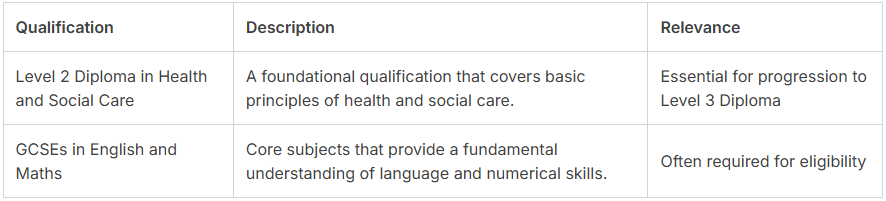
Understanding Level 3 study in health and social care can help learners make informed decisions about education pathways and potential career directions within the sector.
Why People Choose Level 3 Study in Health and Social Care

People consider Level 3 study in health and social care for a variety of reasons, often linked to personal interest in care work, professional development, or long-term progression within the sector. This level of learning can help individuals build sector awareness and gain a clearer understanding of expectations within health and social care environments.
Rather than guaranteeing specific outcomes, Level 3 study is commonly viewed as a step that supports informed decision-making about future education or work-related pathways.
Professional Development and Role Readiness
Level 3 health and social care study is often associated with developing confidence in areas such as communication, safeguarding awareness, and professional conduct. These areas of learning can be relevant across a range of care and support roles and may help individuals feel better prepared for responsibilities within people-focused environments.
Employers and education providers may recognise Level 3 study as evidence of foundational knowledge, particularly when combined with experience or further training.
Understanding Career Progression and Sector Stability
Careers within health and social care can follow different progression routes depending on experience, additional learning, and employer requirements. Level 3 study is sometimes used as a reference point when individuals explore further education options or entry-level roles within the sector.
Earning potential and job stability vary across roles and regions, and progression is influenced by multiple factors including ongoing professional development, workplace experience, and sector demand.

Personal Development and Professional Confidence
Engaging with structured study in health and social care can support personal development by encouraging reflection, responsibility, and greater awareness of professional practice. Learning at this level often helps individuals build confidence in their understanding of care principles and workplace expectations.
As learners develop knowledge around communication, safeguarding, and ethical practice, they may feel better prepared to approach challenges within care-related environments. This growing confidence can support ongoing learning and professional development, particularly when combined with practical experience or further study.
Preparing for Your Level 3 Diploma Journey
Considering Level 3 study in health and social care often involves reflecting on personal interests, learning goals, and readiness for structured study. Taking time to prepare can help individuals approach future learning opportunities with greater clarity and confidence.
Preparation at this stage is less about formal requirements and more about understanding expectations, learning styles, and areas for personal development.
Reflecting on Readiness for Further Study
Before progressing to Level 3 learning, individuals may find it helpful to reflect on their existing knowledge and experience within health and social care contexts. This reflection can highlight strengths, identify gaps in understanding, and support realistic planning around future study or development.
Questions such as familiarity with care environments, comfort with independent learning, and willingness to engage with reflective activities can help shape informed decisions. Self-reflection is commonly recognised as an important part of personal and professional development across education and care sectors.
Organising Information and Preparing for Further Study
When considering progression to Level 3 study in health and social care, it can be helpful to think ahead about personal organisation and readiness. Being organised allows individuals to approach future learning opportunities with greater confidence and less uncertainty.
This preparation is less about formal requirements and more about understanding what information or background details may be useful when exploring different learning pathways.
Building Strong Study Habits for Ongoing Learning
Developing effective study habits can support success across a wide range of learning environments, including health and social care education. Skills such as time management, organisation, and reflective thinking are commonly associated with positive learning experiences and long-term development.
Improving these skills can be beneficial not only for future study, but also for professional growth and personal organisation.
Time management: Planning study time around existing responsibilities can help maintain balance and consistency.
Note organisation: Using structured methods for capturing key points can support understanding and revision.
Critical thinking: Engaging thoughtfully with information encourages deeper understanding and independent learning.
General Entry Considerations
When exploring Level 3 study in health and social care, individuals may come across a range of entry considerations depending on the learning pathway and provider. These considerations are generally intended to ensure learners are prepared for the level of study and subject matter involved.
Rather than being fixed requirements, entry expectations often reflect the level of knowledge, literacy, and engagement needed to benefit from this stage of learning.
Prior Learning and Educational Background
Many learners progress to Level 3 health and social care study after completing earlier learning at Level 2 or through equivalent experience. This background can help support understanding of core concepts and expectations associated with more advanced study.
Some learning pathways may also recommend a basic standard of literacy and numeracy, as written communication and reflective tasks are commonly part of health and social care education. Requirements can vary depending on the learning environment and study format.
Experience and Background in Health and Social Care
When considering progression in health and social care education, prior experience can be helpful but is not always essential. Experience gained through work, volunteering, or related roles can support understanding of care environments and provide useful context for future learning.
For individuals without direct experience, exposure to people-focused settings or support roles can still contribute to sector awareness. Learning pathways often recognise that experience can be developed over time alongside structured study.
Personal Qualities Relevant to Health and Social Care Study
Personal attributes play an important role in health and social care learning and professional development. Qualities such as empathy, effective communication, reliability, and the ability to manage responsibility are commonly associated with care-focused roles.
Developing these attributes can support both learning and progression within the sector, regardless of prior experience or educational background.
Bringing Learning and Personal Development Together
Progression in health and social care education is influenced by a combination of learning, experience, and personal development. Understanding how these elements work together can help individuals reflect on their readiness for further study and identify areas for growth.
Rather than meeting fixed criteria, preparation at this stage is often about building confidence, awareness, and a realistic understanding of expectations within the sector.
Selecting the Right Training Provider
When exploring study options in health and social care, individuals may encounter a range of learning environments designed to suit different preferences and circumstances. Understanding how these environments differ can help learners reflect on what type of study approach may align with their needs.
Rather than focusing on a specific provider, it can be useful to consider how various learning settings support knowledge development and engagement.
Common Learning Settings for Health and Social Care Study
Health and social care learning can take place across several settings, each offering different experiences:
College-based learning often provides a structured environment with scheduled sessions and classroom-based support.
Independent or specialist providers may focus on particular subject areas and offer alternative study formats designed for flexibility.
Workplace-based learning allows individuals to gain experience alongside employment, helping to contextualise learning within real-world settings.
Each approach has potential benefits depending on learning style, availability, and personal commitments.
Considering Learning Support and Study Structure
Support structures can play an important role in the learning experience. This may include access to learning materials, guidance from tutors or assessors, and opportunities for feedback and reflection. Understanding how learning is supported can help individuals feel more prepared for the expectations of structured study.
Different learning environments may offer varying levels of academic guidance, peer interaction, and independent study requirements.
Using Feedback and Research to Inform Decisions
Gathering insights from a range of sources can support informed decision-making. This may include reading learner experiences, exploring published outcomes, or reviewing general information about learning pathways within the sector.
Taking time to research and reflect can help individuals form realistic expectations about learning experiences in health and social care education.

Common Areas of Learning in Level 3 Health and Social Care Study
Level 3 study in health and social care typically introduces learners to a broad range of subject areas that reflect the responsibilities and expectations found within care environments. Rather than focusing on a specific programme structure, this level of learning aims to build foundational understanding across key themes relevant to care and support roles.
These areas of learning often combine theoretical knowledge with reflective activities designed to support awareness of professional practice.
Key Themes Often Explored in Health and Social Care Education
Health and social care learning at this level commonly explores topics that support safe, ethical, and person-focused practice. These themes are intended to help learners understand how care services operate and how responsibilities are managed within regulated environments.
Health, safety, and wellbeing awareness focuses on understanding risk, promoting safe environments, and recognising responsibilities within care settings.
Person-centred approaches to care emphasise respect, dignity, and individual choice when supporting people with different needs and preferences.
These themes form part of a broader framework used to introduce learners to care principles rather than prescribing a fixed curriculum.
Understanding Health, Safety, and Wellbeing in Care Settings
Awareness of health and safety is an important aspect of health and social care education. Learning in this area often involves understanding how risks are identified, managed, and reduced within care environments, alongside awareness of legal and ethical responsibilities.
This knowledge supports learners in developing a responsible approach to care-related activities and professional conduct.
The Role of Person-Centred Practice
Person-centred practice is widely recognised as a core principle within health and social care. This approach focuses on supporting individuals in ways that respect their values, preferences, and independence, while promoting dignity and compassion.
Developing awareness of person-centred principles can help learners understand how care practices adapt to the needs of different individuals and settings.
Exploring Areas of Interest Within Health and Social Care
At this level of study, learners may also explore different areas of interest within health and social care, depending on their goals and future aspirations. These areas can include topics related to mental wellbeing, ageing, or additional support needs, helping individuals gain insight into different care contexts.
Such exploration supports informed decision-making about future learning or career directions, rather than formal specialisation.

Learning Expectations and Professional Awareness
Level 3 study in health and social care is generally designed to support understanding of professional responsibilities, ethical practice, and sector expectations across a range of care settings. At this stage of learning, emphasis is often placed on developing awareness rather than demonstrating formal competence.
Learning typically focuses on applying core principles thoughtfully and responsibly, supporting a foundation for further development within health and social care environments.
Keeping Knowledge Aligned With Sector Practice
Health and social care is an evolving sector, shaped by changes in policy, practice, and service needs. Educational frameworks at this level aim to reflect current thinking and widely recognised approaches within care and support services.
Engaging with up-to-date concepts and reflective learning helps individuals remain informed about expectations within the sector and supports ongoing professional growth over time.
Different Study Approaches in Health and Social Care Education
Health and social care education can be delivered through a variety of study approaches designed to accommodate different learning preferences and personal circumstances. Understanding how these approaches differ can help individuals reflect on how learning may fit alongside existing responsibilities.
Rather than focusing on a single pathway, study formats within the sector are often designed to offer flexibility and accessibility.
Time Commitment and Study Pace
Learning pathways in health and social care may be structured to support different levels of time commitment. Some learners engage in more intensive study over a shorter period, while others prefer a paced approach that allows learning to be balanced alongside work or family responsibilities.
The pace of study can influence how learners engage with materials, reflect on concepts, and apply knowledge over time.
Digital and Distance Learning Options
Advances in digital education have expanded access to health and social care learning. Online and distance-based approaches often provide flexibility in when and where learning takes place, allowing individuals to engage with content at times that suit their schedules.
These approaches commonly include access to digital learning materials, guided activities, and opportunities for independent study, supporting a range of learning styles.
Blended and Flexible Learning Models
Some learning environments combine online resources with guided instruction or interactive activities. This blended approach can support varied learning preferences by offering both structure and flexibility.
Exposure to different learning methods may help individuals identify how they engage most effectively with new information and reflective tasks.
Reflecting on Study Preferences
Considering different study approaches can help individuals better understand their learning preferences, availability, and long-term goals. Reflecting on these factors supports informed planning around future education without committing to a specific pathway too early.
Gaining Practical Insight Into Health and Social Care Environments
Practical exposure can play a valuable role in helping individuals understand how health and social care services operate in real-world settings. Observing or engaging with care environments can provide context for learning and support a clearer understanding of day-to-day responsibilities within the sector.
Such experiences may be gained through a variety of routes, including employment, volunteering, or observational opportunities, depending on individual circumstances and learning pathways.
Exploring Different Care Settings
Health and social care services are delivered across a wide range of environments, each with its own focus and responsibilities. Gaining insight into different settings can help individuals develop a broader perspective on the sector.
Examples of care environments include residential care, community-based services, healthcare settings, and specialist support organisations. Exposure to different contexts can support informed decision-making about future learning or career interests.
Understanding the Role of Experience in Learning Progression
Experience within health and social care settings can support learning by helping individuals connect theory with practice. Reflecting on real-world observations may contribute to deeper understanding of professional conduct, communication, and safeguarding responsibilities.
Approaches to gaining experience and recording learning vary depending on the pathway chosen, and expectations may differ across learning environments and employers.

Learning Through Experience and Reflection
Engaging thoughtfully with real-world experiences can support deeper understanding of health and social care practice. Whether gained through observation, volunteering, or employment, reflecting on experiences helps individuals connect learning concepts with everyday situations in care environments.
Developing the habit of reflection can support continuous learning and personal development over time.
Developing Professional Awareness Through Interaction
Positive interactions with colleagues and supervisors can contribute to greater awareness of professional expectations within health and social care settings. Observing how teams communicate, collaborate, and respond to challenges can offer valuable insight into workplace dynamics.
Being open to feedback and recognising the contributions of others supports a respectful and reflective approach to learning within people-focused environments.
Using Reflection to Support Ongoing Development
Reflection is widely recognised as a valuable learning tool within health and social care education. Recording thoughts and observations can help individuals identify patterns, recognise areas for improvement, and build confidence in their understanding of care practices.
Reviewing reflections over time may support gradual development by encouraging thoughtful adjustments to behaviour, communication, and learning strategies.
Building Insight for Future Learning and Progression
Learning gained through experience and reflection can help individuals form a clearer picture of their interests, strengths, and areas for growth within the sector. This insight supports informed planning around future education, training, or professional development opportunities.
Rather than focusing on formal requirements, reflective learning encourages awareness and adaptability within a changing care landscape.
Understanding Assessment Approaches in Health and Social Care Education
Assessment plays an important role in health and social care education by helping learners reflect on their understanding and application of care principles. At Level 3 study, assessment approaches are typically designed to support learning rather than simply measure outcomes.
Different assessment methods may be used across health and social care learning pathways, depending on the learning environment and focus of study.
Evidence-Based Learning and Reflection
Many health and social care learning frameworks encourage learners to collect evidence of understanding through reflective activities and documented learning. Reflective writing and personal records can help individuals consider how knowledge relates to real-world care situations.
Maintaining organised records of learning experiences may support deeper understanding and ongoing personal development, particularly when reflecting on communication, safeguarding, and professional behaviour.
Applying Knowledge in Practical Contexts
Some learning pathways include opportunities to demonstrate understanding through practical or observational activities. These experiences are intended to help learners connect theoretical knowledge with real-world scenarios and consider how care principles are applied in practice.
Developing confidence in applying knowledge often involves reflection, feedback, and gradual learning rather than formal performance measurement alone.
Written Learning Activities and Knowledge Development
Written tasks are commonly used within health and social care education to support research skills, critical thinking, and structured communication. Engaging with written activities can help learners explore topics in more depth and develop clarity in expressing ideas.
Good study habits, such as planning, reviewing learning materials, and understanding academic integrity, support effective engagement with written learning activities across different educational settings.
Assessment as Part of Ongoing Learning
Assessment within health and social care education is often viewed as part of a broader learning process rather than a single endpoint. Understanding how different assessment approaches contribute to learning can help individuals feel more prepared and engaged as they progress through education and professional development opportunities.
Understanding Certification and Ongoing Development in Health and Social Care
Certification is commonly used within health and social care education to acknowledge completion of learning and achievement of learning outcomes. While certification processes vary depending on the learning pathway chosen, they generally serve as a formal record of study rather than an endpoint in professional development.
Understanding how certification fits within broader learning and career progression can help individuals form realistic expectations about education in the care sector.
Recognition of Learning and Educational Records
In many learning pathways, recognition of learning involves review and confirmation that learning activities have been completed in line with expected standards. This process supports consistency and clarity across education systems, while helping learners document their progress and achievements.
Approaches to recognition and record-keeping differ depending on learning environments and awarding organisations, and may involve internal review processes rather than direct professional validation.
Continuing Learning and Professional Development
Ongoing learning plays an important role in health and social care, where practices, policies, and service needs continue to evolve. Continuing professional development is often encouraged as a way to maintain awareness of current approaches, develop new skills, and reflect on professional responsibilities.
Professional development activities may include structured learning, reflective practice, peer discussion, or engagement with sector-related resources, depending on individual goals and circumstances.
Professional Engagement and Sector Awareness
Engaging with professional communities can help individuals stay informed about developments within health and social care. Participation in sector networks, learning groups, or professional associations may support knowledge-sharing, collaboration, and awareness of good practice.
Such engagement can contribute to ongoing development by encouraging reflection, discussion, and exposure to different perspectives within the sector.
Career Pathways Within Health and Social Care

Health and social care is a broad sector offering a range of potential career directions, depending on individual interests, experience, and further learning. Exploring different pathways can help individuals understand how roles vary across care settings and what skills may be relevant within each area.
Career progression in this sector is influenced by multiple factors, including experience, additional training, and workplace requirements.
Employment Settings Across the Care Sector
Health and social care services operate across diverse environments, each supporting different needs and populations. Employment opportunities within the sector may be found in settings such as residential care, healthcare services, community-based support organisations, and voluntary or charitable services.
Roles within these settings can vary widely in responsibility and focus, often depending on organisational structure, service users, and regulatory requirements.
Further Learning and Academic Progression
Some individuals choose to continue their education after completing Level 3 study in health and social care by exploring higher-level learning opportunities. These may include academic study in related subject areas or vocational training aligned with specific interests within the sector.
Progression routes and entry requirements for further education vary across institutions, and decisions are often influenced by personal goals, experience, and long-term career aspirations.
Exploring Areas of Focus Within Health and Social Care
Health and social care encompasses a wide range of practice areas, allowing individuals to explore topics aligned with their interests over time. Areas of focus may relate to age-specific care, mental wellbeing, long-term support needs, or end-of-life care, among others.
Gaining insight into different areas of practice can support informed decision-making and help individuals identify where they may wish to develop knowledge or experience further.
Reflecting on Long-Term Development
Career development within health and social care is often gradual and shaped by ongoing learning, reflection, and experience. Understanding the range of pathways available can help individuals form realistic expectations and plan future steps in a way that aligns with their values and goals.
Rather than a single outcome, progression within the sector is typically built through a combination of education, practice, and professional development.
Understanding Funding and Financial Considerations for Adult Learning
Financial considerations often play a role when individuals explore further education opportunities within health and social care. Understanding how adult learning may be funded can help people make informed decisions about future study without committing to a specific pathway too early.
Funding availability and eligibility can vary depending on factors such as age, prior education, and the type of learning pursued.
Public Funding and Loan-Based Support for Further Education
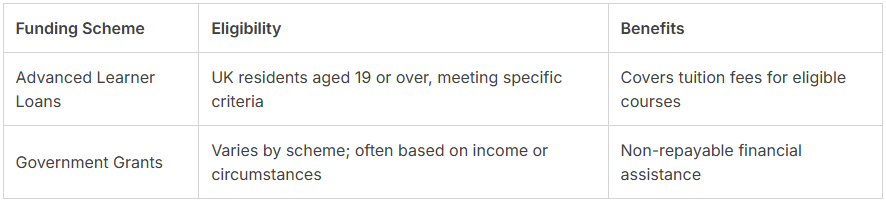
In the UK, a range of public funding options exist to support adult learners returning to education. These options are designed to improve access to learning by spreading the cost of education over time or providing financial assistance where eligibility criteria are met.
Loan-based support and publicly funded initiatives may be available for certain levels of study, subject areas, or learner circumstances. Availability and application processes differ depending on the learning route chosen.
Exploring Financial Support Options
Individuals considering further education are encouraged to research funding options carefully and seek accurate, up-to-date information before making decisions. This may include reviewing official guidance, comparing learning pathways, and understanding repayment or eligibility conditions where applicable.
Approaching funding as part of broader learning planning can support realistic expectations and long-term financial confidence.
Employer-Supported Learning and Workplace Development
Within the health and social care sector, some employers support staff development through workplace learning or sponsored education. These arrangements are often designed to help organisations develop skills internally while supporting individual professional growth.
Employer-supported learning models can vary depending on role, organisation size, and service needs, and may combine work responsibilities with structured learning over time.
Apprenticeship and Work-Based Learning Pathways
Work-based learning pathways, including apprenticeships, are commonly used within health and social care to support skill development alongside employment. These pathways aim to integrate learning with practical experience, allowing individuals to develop knowledge within a real working environment.
Eligibility, structure, and availability of work-based learning routes vary and are influenced by factors such as job role, employer participation, and sector regulations.
Financial Assistance and Learner Support Options
Beyond employer support, some learners explore additional forms of financial assistance when considering further education. This may include grants, scholarships, or hardship support offered by charities, educational organisations, or sector-related initiatives.
Access to financial support often depends on individual circumstances and availability at the time of application. Researching options carefully can help individuals understand what forms of assistance may be available to support learning decisions.
Planning Education With Financial Awareness
Considering financial support as part of broader education planning can help individuals make informed and sustainable choices. Understanding the range of support models available across the sector supports realistic expectations and reduces unnecessary pressure when exploring learning opportunities.
Rather than focusing on a single funding route, many learners benefit from reviewing multiple options as part of long-term development planning.
Bringing Learning and Career Planning Together
Health and social care education plays an important role in helping individuals understand the expectations, responsibilities, and opportunities within the care sector. Gaining clarity around learning pathways, study approaches, and sector practices can support informed decision-making and long-term planning.
This guide has explored key aspects of Level 3 study in health and social care, including learning frameworks, progression considerations, and professional development themes. Understanding these elements can help individuals reflect on their interests, readiness for further learning, and potential directions within the sector.
Career development in health and social care is often shaped over time through a combination of education, experience, and ongoing learning. By approaching progression thoughtfully and staying informed about sector expectations, individuals can plan future steps in a way that aligns with their goals and values.
Get All 3000+ Courses for Lifetime !


0 responses on "Understanding Health and Social Care Diplomas: Career Pathways, Skills, and Outcomes"