




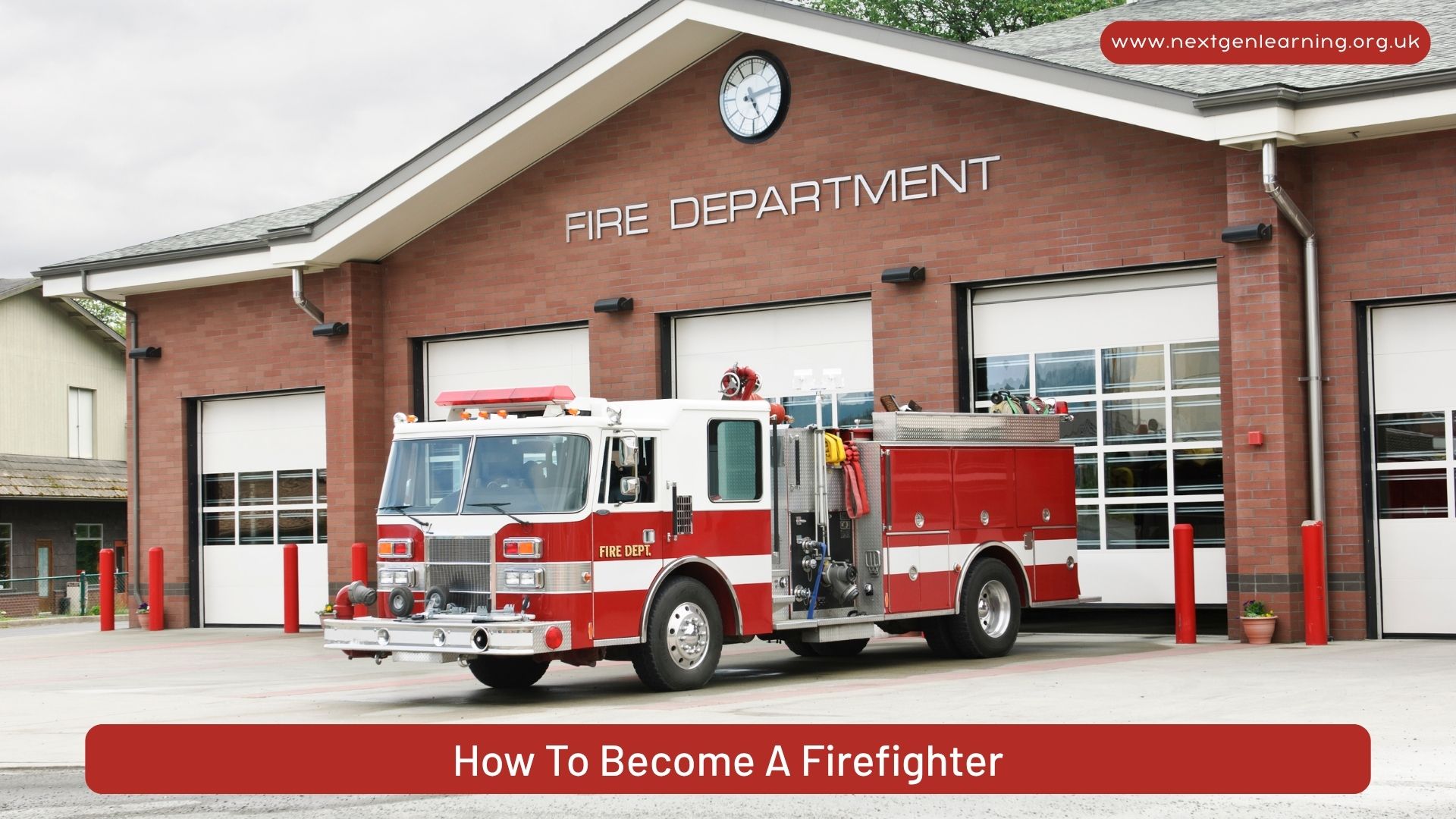
How To Become A Firefighter | Explore Requirements, Salary, Jobs, Courses
Being a firefighter is a prestigious and demanding career choice that provides the chance to defend property, save lives, and assist communities. Therefore, anyone interested in becoming a firefighter should be aware of the training options, career pathways, entry requirements, and details about firefighter pay. There are clear paths to success, whether your goal is to work full-time, become a Class A firefighter, engage in firefighter volunteer work, or assist organisations like the Firefighters charity. From education and credentials to employment opportunities, the part charity plays in helping fire crew members, as well as guidance on how to become a firefighter, this resource covers all the necessary requirements thoroughly.
Table of Contents
Meeting the Basic Requirements
Before applying for firefighter jobs, candidates must meet specific eligibility criteria set by UK fire and rescue services:
- Age – You must be at least 18 years old.
- Right to work – Additionally, applicants must have the legal right to work in the UK.
- Health and fitness –A high standard of fitness, alongside good vision and hearing, is essential.
- Background checks – Moreover, screening for criminal records is standard.
A good educational foundation—such as GCSEs in English and Maths—is helpful. Moreover, a lot of applicants enrol in fire service training classes that emphasise interviewing, written tests, and the hiring process.
Training and Development
After being approved, new recruits go through a systematic training program, which frequently starts with an introductory firefighter course. This includes incident management, proper equipment use, rescue methods, in addition to fire safety laws. Public safety education, understanding of dangerous materials, and prevention techniques might also be included in the modules.
Subsequently, after initial training, career development continues. Advanced classes encompassing sophisticated rescue operations, high-risk incident response, and leadership abilities are crucial for anybody hoping to become a Class A firefighter. Moreover, how to become a firefighter involves not only completing the initial entry requirements but also pursuing ongoing professional growth. Additionally, fire crew members can advance into highly skilled operational roles through completing specialised training provided by certain brigades for major structural fires or hazardous locations.
Firefighter Salary and Career Progression
Firefighter salary levels in the UK vary by location, rank, and experience:
- Trainee firefighters typically earn around £24,000 to £25,000 per year.
- Qualified firefighters can expect salaries from £32,000 to £38,000, generally with additional allowances for overtime or unsociable hours.
- Senior roles—such as watch managers or station managers — therefore command higher pay, reflecting leadership responsibilities.
Specialist qualifications and courses can also lead to promotion opportunities, enabling fire crew members to move into training, inspection, or specialist rescue roles.
Firefighter Jobs: Full-Time and Retained Roles
There are several types of fire crew members jobs available:
- Wholetime fire crew members – Full-time employees, often based in urban areas.
- Retained fire crew members – On-call staff who respond to incidents alongside another job.
- Specialist fire crew members – Roles in airports, industrial sites, or defence establishments.

Firefighter Volunteer Work
Volunteering as a fire crew member is a great way to get started in the field, especially in smaller or rural areas. Volunteers support neighbourhood preventive efforts, assist with community fire safety campaigns, and respond to crises, while also gaining valuable experience that can enhance future career prospects and potentially increase firefighter salary opportunities.
Furthermore, in order to help volunteers develop their operational awareness, collaboration abilities, and readiness for the hiring process, several fire departments also provide cadet programs and introduction courses. Ultimately, volunteering shows dedication, dependability, and the capacity to perform under pressure—qualities that are highly regarded in the firefighting profession.
Understanding the Class A Firefighter Role
Usually a highly skilled individual, a Class A firefighter is able to handle significant situations involving big buildings, dangerous situations, moreover intricate rescues. However, it typically takes years of service, a great deal of operating experience, and the completion of advanced training courses to reach this level. Therefore, an important step in understanding how to be a firefighter at the highest standard.
Nevertheless, it isn’t a recognised national title, and some brigades and specialised units use it to identify who possess exceptional abilities along with duties.
Benefits of the Firefighters Charity
The Firefighters charity provides vital support to serving and retired fire crew members, as well as their families, thereby helping them manage the unique challenges of the profession. Beyond providing short-term crisis support, its services provide long-term advantages like:
- Physical rehabilitation – Specialist treatment programmes help recover from injuries sustained on duty, thus enabling them to return to work more quickly.
- Mental health support – Similarly, counselling and wellbeing services assist those coping with stress, trauma, or anxiety linked to emergency incidents.
- Financial assistance – Grants and advice are available for fire crew members facing unexpected financial hardship.
- Family support – Services extend to partners, children, and dependants, providing emotional guidance and practical help during difficult times.
- Retirement wellbeing – Former fire crew members receive health advice, social support, and furthermore, opportunities to remain connected to the fire service community.
Knowing these advantages for prospective fire crew members further emphasises the robust support system in the field. In order to build a sense of belonging and a common goal, many also decide to participate in firefighters’ charity events early in their careers.

Recommended Courses for Aspiring Firefighters
Those wondering how to become a firefighter often benefit from targeted training before applying. Recommended options include:
- Fire crew members recruitment preparation courses – Covering interview skills, written assessments, and fitness requirements.
- Emergency response training courses – Focused on incident awareness, safety protocols, and teamwork.
- Specialist firefighting courses – For those aiming at roles such as Class A firefighter or industrial firefighting.
- First aid and medical response courses – Valued by employers and useful for volunteer roles.
Such courses not only strengthen your application but also prepare you for the challenges of the role.
Key Steps to Becoming a Fire Crew Member
To summarise, here’s the pathway to joining the fire service:
- First, check entry requirements for your chosen fire and rescue service.
- Then, prepare physically and academically, using courses to enhance your skills.
- Next, apply for firefighter jobs, considering retained or volunteer roles if needed.
- Finally, complete training and progress to advanced qualifications.
Stay engaged with the community, including supporting causes like the Firefighters charity.
Final Thoughts
The path to become a fire crew member requires planning, determination, as well as a desire to never stop learning who is dedicated to helping the community. Firefighter pay is competitive, moreover there are chances to advance into more senior or specialised positions. Additionally, firefighter jobs, volunteer work, in addition to specialised courses that educate you for the demands of the industry are all ways to obtain experience.
If you’re wondering how to become a firefighter, you can develop a prosperous career. However, also build a strong connection with the firefighting community by participating in programmes like the Firefighters charity and embracing ongoing training—making an impact where it really counts.
Frequently Asked Questions
The salary for a firefighter in the UK typically starts at £24,000 per year. This can rise to £40,000 or more with experience and promotions.
Firefighters need strong communication, problem-solving, and teamwork skills. Physical fitness, stamina, and the ability to work under pressure are also crucial.
Yes, firefighters can progress to senior roles such as crew commander, station manager, and fire officer. Additional training and experience can lead to leadership positions.

Fire Safety Level 2

0 responses on "How To Become A Firefighter | Explore Requirements, Salary, Jobs, Courses"