





Promoting ADHD Awareness for Supporting Kids with ADHD Care
What Is ADHD and its Types?
Have you ever met a kid who seems full of energy, maybe a bit bouncy in their seat, and sometimes forgets things easily? This could be a sign of ADHD, or Attention Deficit Hyperactivity Disorder. ADHD Awareness helps us understand that brains come in all shapes and sizes, and some work a little differently.
ADHD is a common condition that affects both children and adults. However, kids with ADHD may have trouble paying attention, sitting still, or controlling their impulses. Consequently, this can lead to difficulties in school, at home, and in social situations. For example, a child might struggle to focus on their homework, move around constantly in class, or interrupt others during conversations. Therefore, understanding ADHD is very important for providing the right support.
There are three main types of ADHD:
- Inattentive Type: Often called ADD (Attention Deficit Disorder), people with this type have a hard time focusing on tasks. They might be easily distracted, forgetful, and struggle to follow instructions. Kids with this type may appear to be daydreaming often.
- Hyperactive-Impulsive Type: Those with this type are very active and impulsive. They might fidget a lot, talk excessively, and have trouble waiting their turn. This type is easier to notice because of the physical activity and impulsiveness. Kids with ADHD who have this type might interrupt others often and find it hard to sit still in class.
- Combined Type: This type is a mix of both inattentive and hyperactive-impulsive symptoms. Most people with ADHD have the combined type. Consequently, they may struggle with focusing and also be very active and impulsive. ADHD awareness about this combined type helps in understanding that symptoms can vary widely among individuals.
Supporting kids with ADHD involves creating structured routines, providing clear instructions, and offering plenty of encouragement. Moreover, ADHD support also entails collaborating with teachers and healthcare providers to develop strategies that help manage symptoms.
Table of Contents
How Can You Recognize the Signs of ADHD? An Important Aspect of ADHD Awareness

ADHD Awareness is key to recognising the signs of Attention Deficit Hyperactivity Disorder in children. Just like pirates have their unique flags, kids with ADHD might show some different signs. Here’s how to set sail on the path to understanding:
Firstly, one of the most noticeable signs is difficulty paying attention. Kids with ADHD often have trouble focusing on tasks and may seem to daydream frequently. They might miss important details and struggle to follow instructions. Consequently, this can affect their performance in school.
Secondly, kids with ADHD may be very active and impulsive. They might move around a lot, even when it’s not appropriate. For example, they may have trouble sitting still in class or during meals. They may also talk excessively and interrupt others during conversations. This impulsive behaviour can make social interactions challenging.
Additionally, forgetfulness is another common sign. Children with ADHD often forget to do their homework or lose things like toys, books, and school supplies. They might also have trouble organizing their tasks and activities.
Furthermore, kids with ADHD may have difficulty waiting their turn. This can be seen during games or group activities where they might become impatient. They might also blurt out answers before a question is completed or interrupt conversations.
Remember, ADHD isn’t a bad thing! With proper ADHD care and support, these bright kids can learn strategies to manage their symptoms. Think of it like giving them a special map to help them find their way through school and life. Early intervention is key to helping them reach their full potential!
What are the Things Kids with ADHD Might Struggle With?

ADHD Awareness helps us understand that even though some kids are full of energy and ideas, they might occasionally struggle with different challenges than others. Here’s where ADHD Awareness can be particularly helpful:
- Paying Attention: Kids with ADHD find it hard to pay attention. They might get distracted easily, which makes focusing on schoolwork or conversations difficult. This means they may miss important details and instructions.
- Staying Organized: A Special Focus for ADHD Awareness: Staying organized can be a major challenge. Kids with ADHD might have messy rooms, lose their school supplies, or forget about assignments. This disorganization can cause stress and frustration.
- Following Instructions: Following instructions can be tough. Kids with ADHD may struggle to remember multi-step directions. Consequently, they might seem like they are not listening or are ignoring instructions, even when they are trying their best.
- Managing Time: Time management is another area of difficulty. Kids with ADHD often have trouble estimating how long tasks will take. This can lead to late assignments and rushed work.
- Controlling Impulses in ADHD Awareness: Controlling impulses can be challenging. Kids with ADHD might interrupt others, have difficulty waiting their turn, or act without thinking. This can affect their relationships with friends and family.
- Staying Still: Staying still is often hard for kids with ADHD. They might fidget, squirm, or have trouble staying seated. This restlessness can be mistaken for bad behaviour, but it’s a common part of ADHD.
- Emotion Management: A Key Element of ADHD Awareness: Managing emotions can be tough. Kids with ADHD might have strong emotional reactions and find it hard to calm down once upset. This can lead to outbursts or tantrums.
Therefore, providing ADHD care and ADHD support is essential in helping kids with ADHD overcome these challenges. By raising ADHD awareness, we can create a more understanding and supportive environment for these children. Therefore, supporting kids with ADHD involves patience, structure, and consistent encouragement, helping them succeed despite their struggles.
ADHD Awareness: Why Early Identification Matters

Raising ADHD awareness is very important. Early identification of ADHD can make a big difference in the lives of kids with ADHD. By spotting ADHD early, we can provide better ADHD care and ADHD support, helping children succeed.
Identifying ADHD early means kids with ADHD can get the help they need sooner. This early support can improve their school performance and social skills. When kids get the right support, they are more likely to do well in school and make friends.
Early identification also helps parents and teachers understand the challenges kids with ADHD face. With this knowledge, they can create a supportive environment at home and in school. For example, teachers can give extra time for assignments, and parents can set clear routines at home.
Besides that, early ADHD care can prevent bigger problems later on. Kids with ADHD who don’t get help early may struggle with low self-esteem or develop behavioural issues. By providing ADHD support early, we can help kids build confidence and develop good habits.
Another benefit of early identification is better planning. Parents, teachers, and doctors can work together to create a plan that meets the child’s needs. This plan might include special teaching methods counselling or medication.
ADHD Awareness goes beyond just helping kids. It helps create a more understanding environment for everyone. Teachers, classmates, and families can all learn about ADHD and how to support kids who have it. This can lead to smoother relationships, fewer misunderstandings, and a more positive overall experience for kids with ADHD.
Ultimately, early ADHD awareness is about helping kids with ADHD reach their full potential. With the right support and understanding, they can overcome challenges and achieve amazing things!
ADHD Awareness: Supporting Kids with Attention Challenges
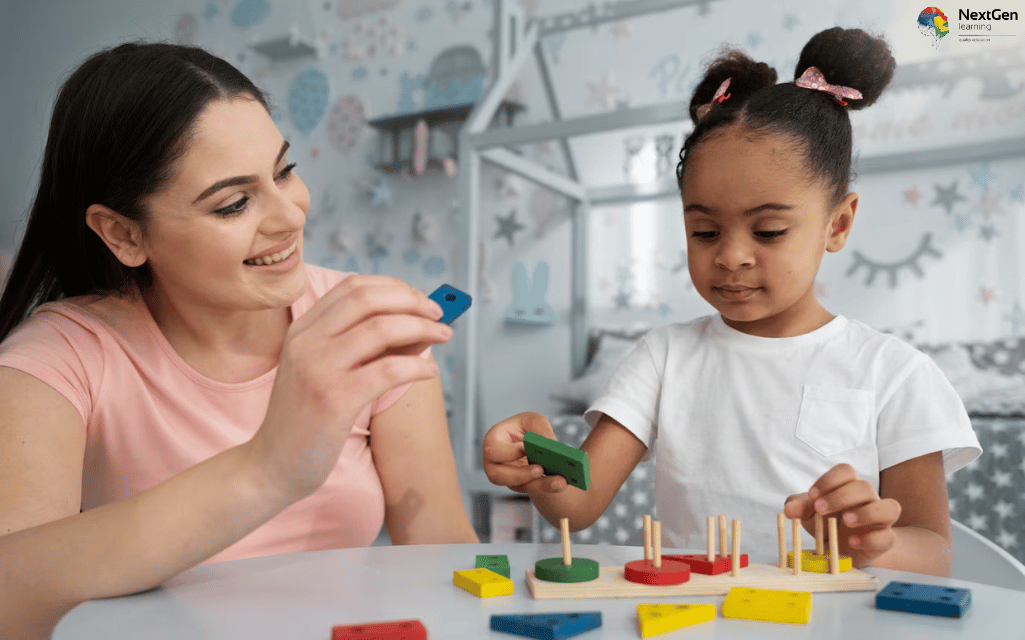
An ADHD Awareness Supporting kids with attention challenges requires understanding, patience, and the right strategies. ADHD awareness plays a big role in providing effective ADHD care and ADHD support. Here are some simple ways to help kids with ADHD manage their attention difficulties.
Creating a Structured Environment
Firstly, creating a structured environment helps kids with ADHD. Clear routines and consistent schedules can make it easier for them to focus. Using visual schedules, timers, and checklists can also be very helpful.
Use Positive Reinforcement for ADHD Understanding
Next, positive reinforcement can motivate kids with ADHD. Praising specific behaviours, offering rewards, and using a system of incentives can encourage kids to stay on task and complete their work. Celebrating small achievements can build their confidence.
Break Tasks into Smaller Steps
Additionally, breaking tasks into smaller, manageable steps can help kids with ADHD focus better. Providing clear and simple instructions for each step makes it easier for kids to understand what they need to do.
Encourage Physical Activity
Moreover, physical activity is very beneficial for kids with ADHD. Regular exercise can improve concentration, reduce hyperactivity, and increase overall well-being. Activities like playing sports, dancing, or even short breaks for movement can make a big difference.
Promote a Healthy Diet
A balanced diet can also impact attention and behaviour. Ensuring kids with ADHD eat nutritious meals, including fruits, vegetables, and whole grains, can help maintain their energy levels and improve focus. Limiting sugary snacks and processed foods is equally important.
Teach Mindfulness Techniques
Teaching mindfulness techniques, such as deep breathing exercises and meditation, can help kids with ADHD improve their focus and self-control. Making these techniques fun and engaging can make them more enjoyable for children.
Collaborate with Teachers and Professionals for ADHD Awareness
Lastly, working closely with teachers and healthcare professionals is essential. Regular communication ensures that everyone can provide consistent support. Individualized Education Plans (IEPs) can also be developed to address specific needs.
Overall, supporting kids with attention challenges involves creating a structured environment, using positive reinforcement, breaking tasks into smaller steps, and encouraging physical activity. Equally important, promoting a healthy diet, teaching mindfulness techniques, and collaborating with teachers and professionals are vital components. Ultimately, ADHD awareness is essential to understanding and addressing these needs effectively, helping kids with ADHD succeed despite their challenges.
ADHD Awareness: Tips for Teachers & Parents of Kids with ADHD Care and ADHD Support

Supporting kids with ADHD requires patience and understanding. ADHD awareness helps us provide the best ADHD care and ADHD support. Here are some simple tips for teachers and parents.
Create a Routine
Having a clear routine helps kids with ADHD. Consistent schedules at home and school make it easier for them to know what to expect. Using visual schedules can also help them stay on track.
Encourage Breaks
Allowing short breaks can help kids with ADHD recharge. Physical activity during breaks, like stretching or a quick walk, can improve their focus and energy levels.
Provide a Quiet Workspace
Having a quiet, organized workspace is important. Minimizing distractions helps kids with ADHD concentrate better on their tasks.
Teach Organizational Skills for ADHD Awareness
Teaching organizational skills can also be beneficial. Simple tools like planners, checklists, and timers can help kids with ADHD manage their time and responsibilities.
Communicate Regularly
Regular communication between teachers and parents is crucial. Sharing updates and strategies ensures that kids with ADHD receive consistent support both at home and school.
Promote a Healthy Lifestyle
Encouraging a healthy lifestyle is important too. A balanced diet, regular exercise, and enough sleep can all positively impact kids with ADHD.
Use Mindfulness Techniques to Promote Proper ADHD Awareness
Teaching mindfulness techniques, like deep breathing and relaxation exercises, can help kids with ADHD manage stress and improve focus.
ADHD care goes beyond meds. Routines and bite-sized tasks provide a roadmap. Celebrate wins! Planned breaks refresh focus. Quiet spaces, organization skills, open communication, and a healthy lifestyle empower individuals with ADHD. Technology can even be a teammate!
ADHD Awareness: The Importance of Cognitive Strategies and Organized Care
Cognitive Strategies
Kids with ADHD might have trouble focusing for long periods. This can make things like homework or staying quiet in class feel super tough.
Here are some tricks to help their brains stay on track:
- Timers are Ticking Time Savers! Instead of one giant project, set timers for smaller chunks. Finish that math sheet in 15 minutes. Take a quick break, then hop back in!
- Lists, Lists, Lists! Write down everything they need to do, big or small. Checking things off feels great and helps them see what’s left.
- Break it Down! Big projects can feel overwhelming. Break them down into smaller, easier steps. Building a Lego spaceship? Maybe today they focus on just the base!
- Chunking Information: Breaking down complex information into smaller, manageable units makes it easier to understand and remember. This method helps in overcoming the overwhelm that large tasks often induce.
- Mnemonic Devices: Using acronyms, rhymes, or associations can greatly aid memory. For example, remembering the colours of the rainbow with the acronym “ROY G. BIV” (Red, Orange, Yellow, Green, Blue, Indigo, and Violet) is a practical application of this strategy.
- Visualization: Encouraging individuals to create mental images of the information they are learning can improve comprehension and recall. This is particularly useful in subjects like history or biology where visual context can enhance understanding.
Organized Care
To enhance ADHD awareness and provide effective care, adopting structured approaches is key. Here are some strategies designed to foster organized care for individuals with ADHD:
- Routine Development: Establishing consistent daily routines helps individuals anticipate and prepare for what’s coming next, reducing anxiety and improving focus. This structure is essential in promoting ADHD awareness and ensuring that the needs of individuals with ADHD are met.
- Environment Structuring: Creating a dedicated, distraction-free space for activities such as homework or relaxation can enhance concentration and productivity. Furthermore, this space should be equipped with all necessary supplies and be located away from high-traffic areas of the home, aiding significantly in the overall ADHD care process.
- Task Simplification: Breaking tasks into smaller, more manageable steps can prevent feelings of overwhelm. Each step should be clear and achievable, allowing for gradual progression towards the completion of larger tasks, which is a vital part of ADHD support.
- Clear Communication: Using straightforward, concise instructions avoids confusion and ensures that expectations are understood. Clear communication is crucial for ADHD awareness and helps in both educational settings and at home.
- Support Systems: Establishing a network of support involving teachers, family members, and healthcare providers ensures comprehensive care. Regular meetings or updates can help all parties stay informed about progress and any adjustments needed in the care plan, enhancing ADHD support.
- Positive Reinforcement: Recognizing and rewarding efforts and achievements, not just outcomes, motivates continued effort and builds self-esteem. Consistent rewards can promote a positive outlook and are an essential part of ADHD care.
By implementing these strategies, we can improve ADHD awareness and as a result, provide structured, effective support for individuals with ADHD, helping them to manage daily tasks more effectively and enhancing their overall quality of life.
Conclusion

ADHD is something a lot of people have, and knowing more about it, which we call ADHD awareness, therefore helps us make a better place for kids with ADHD. Firstly, spotting it early and starting to help right away makes things easier for them to do well. Additionally, by using good thinking methods and keeping things neat and clear, we can help them succeed at school, at home, and in life. Ultimately, remember, a bit of help can make a big difference!
Get All 3000+ Courses for Lifetime !

FAQs: Frequently Asked Questions about ADHD
Ans: Commonly, signs of ADHD include difficulty paying attention, hyperactivity, impulsivity, forgetfulness, and, notably, trouble following instructions. Moreover, these symptoms can vary in intensity and presentation among individuals.
Ans: Typically, a diagnosis of ADHD involves a comprehensive evaluation by a healthcare professional, including a review of symptoms, medical history, and potentially psychological testing.
Ans: Unfortunately, there is no cure for ADHD, however, there are effective treatments available. These can include medication, behavioural therapy, and educational support.
Ans: Indeed, ADHD can persist into adulthood. In addition, the symptoms may present differently in adults, but effective treatment options are available.
Ans: There are many reputable resources available online and also through organizations like the National Institute of Mental Health (NIMH) as well as the Centers for Disease Control and Prevention (CDC).
Ans: Absolutely not! ADHD is a neurodevelopmental condition, not a threat. While it can present challenges, with proper support and understanding, individuals with ADHD can thrive. Furthermore, many people with ADHD are highly creative and energetic! This is a key point to remember during ADHD Awareness Month, which is held in October each year. Consequently, by raising awareness, we can break down stigmas and ensure that everyone with ADHD has the opportunity to reach their full potential.
Ans: ADHD Awareness Month, held every October, is a time to raise awareness about Attention Deficit Hyperactivity Disorder. Additionally, it’s a chance to educate the public about ADHD, fight stigma, and promote understanding and support for those who live with ADHD. By promoting ADHD awareness, we can create a more inclusive and supportive environment for everyone.

0 responses on "Promoting ADHD Awareness for Supporting Kids with ADHD Care"