





Top 8 Skills Every Successful Car Mechanic Needs in Today’s Automotive Industry
The automotive industry has changed dramatically over the last decade, and today’s workshops demand far more than basic repair knowledge. Modern vehicles rely heavily on electronics, software, and advanced systems, which means automotive technician skills and vehicle diagnostic skills are now essential for success. For anyone developing skills needed to be a car mechanic or improving mechanic skills UK employers value, understanding how modern vehicles work is no longer optional — it’s a requirement for long-term career growth.
Whether you are new to the trade, considering a career change, or already working in a workshop, understanding the right mechanic skills is essential for long-term success. Employers now look for technicians who can diagnose faults accurately, work confidently with modern vehicle systems, and communicate clearly with customers. At the same time, many people searching for skills needed to be a car mechanic, automotive technician skills, vehicle diagnostic skills, or mechanic skills UK want clear, practical guidance — not vague advice.
In today’s competitive job market, simply knowing how to replace parts is no longer enough. Workshops value mechanics who can think logically, adapt to new technology, and maintain high standards of quality and professionalism. From diagnostics and electrical systems to communication and continuous learning, the right skill set can significantly improve your employability, confidence, and earning potential.
In this guide, we break down the top 8 skills every successful car mechanic needs in today’s automotive industry. Each skill is explained clearly, with real-world relevance, so you can understand not only what matters, but why it matters — and how these skills fit into modern automotive work in the UK.

Table of Contents
1) Vehicle Diagnostic Skills for Modern Car Mechanics
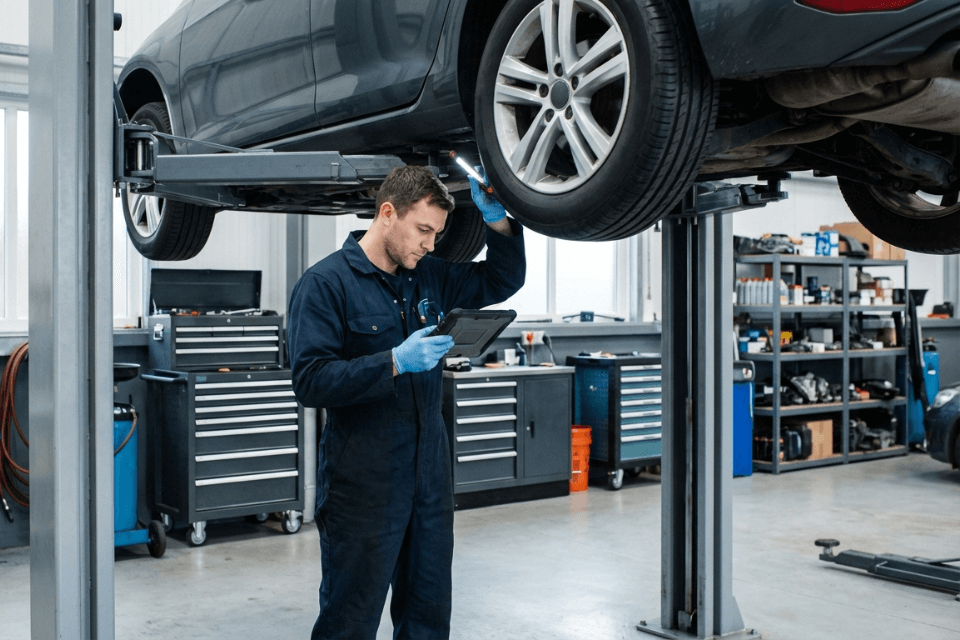
First and foremost, strong vehicle diagnostic skills are what turn a good mechanic into a great one. In other words, the ability to identify the real cause of a problem — not just the obvious symptom — is one of the most valuable car mechanic skills in today’s automotive industry.
However, diagnostics isn’t “plug in a scanner and swap a part”. Instead, it’s a methodical process:
- Observe the symptoms clearly
- Check for fault codes and live data
- Test, confirm, and eliminate possibilities
- Verify the repair
As a result, mechanics with strong vehicle diagnostic skills reduce comebacks, save time, and build trust. Moreover, these mechanical skills are in demand because modern faults are often system-level issues, not single-component failures.
How to build it:
Practise a step-by-step diagnostic routine on every job. Additionally, learn how to interpret live data (not just codes). Over time, your automotive technician skills will improve faster than you think.
2) Electrical and electronics confidence (because modern cars are basically computers)
Secondly, electrical knowledge is now essential. Although mechanical fundamentals still matter, electronics increasingly control how the vehicle behaves. Therefore, electrical confidence is one of the most important skills needed to be a car mechanic today.
This includes:
- Understanding circuits, fuses, relays, and grounds
- Reading wiring diagrams
- Using a multimeter correctly (especially voltage drop testing)
- Recognising common sensor and module issues
Moreover, these car mechanic skills help you diagnose issues that look mechanical but are actually electronic — for example, drivability problems caused by sensors, wiring faults, or ECU miscommunication.
How to build it:
Start with basics: circuits and multimeter use. Then, move towards wiring diagrams and real testing methods. Consequently, your mechanic skills become more valuable to employers.
3) Strong Car Mechanic Skills and Mechanical Fundamentals
Even with modern tech, solid mechanical ability remains non-negotiable. In fact, many mechanic skills UK searches come from learners who want the fundamentals done properly — brakes, suspension, steering, servicing, and engine basics.
Successful mechanics are confident with:
- Brakes, tyres, steering, suspension
- Engine systems (cooling, belts/chains, fuel and air)
- Routine servicing and inspection standards
- Safe lifting and correct tool use
However, the key difference is accuracy. For example, torque specs, correct procedures, and proper checks are what keep work safe and professional. Therefore, mechanical fundamentals remain central car mechanic skills and core automotive technician skills.In the UK, developing recognised car mechanic skills is often guided by professional standards set by the Institute of the Motor Industry (IMI), which supports training quality and industry best practice.
How to build it:
Follow manufacturer procedures, not shortcuts. Additionally, keep notes on common faults and fixes. As a result, you’ll work faster and cleaner.
4) Attention to detail and quality control (how you prevent comebacks)
Next, attention to detail is one of the most underrated skills needed to be a car mechanic. Yet it’s often the skill that protects your reputation.
For instance, quality control means:
- Correct torque, correct fluids, correct settings
- Re-checking connectors, hoses, clips, and fasteners
- Performing a sensible post-repair check and road test
- Confirming the fault is actually resolved
Moreover, these mechanic skills reduce mistakes and improve customer trust. Consequently, workshops value you more, because fewer comebacks mean fewer losses.
How to build it:
Use a simple end-of-job checklist. Additionally, slow down for the final checks. Over time, your car mechanic skills become consistently reliable.
5) Professional Mechanic Skills for Customer Communication
Although many people focus only on technical ability, communication is a genuine career advantage. Therefore, strong communication is among the most valuable automotive technician skills.
A successful mechanic can:
- Explain issues in plain English
- Set expectations on cost, time, and urgency
- Give clear options (repair now vs later)
- Document findings properly
Moreover, communication supports trust. As a result, customers are more likely to approve work, return later, and recommend the garage. In other words, these mechanic skills directly impact your long-term success.
How to build it:
Practice explaining repairs in 30 seconds, without jargon. Additionally, write short job notes that another technician could understand instantly.
Want to Build These Skills Faster? Start with the Right Training
Reading about car mechanic skills helps, of course. However, structured learning often gets you confident faster — especially if you’re a beginner, a career changer, or someone who wants a proper foundation.
That’s why the Car Mechanic and Repair Training Diploma is a smart next step if you want to develop real mechanic skills in a clear, guided way. It’s designed to build the skills needed to be a car mechanic by breaking vehicle systems down into simple lessons with step-by-step explanations. Moreover, because you can learn online at your own pace, it fits around work and life — which is ideal for learners focusing on mechanical skills UK and industry-ready knowledge.
If you want to turn these automotive technician skills into something practical and job-relevant, this course gives you a strong starting point — especially for fundamentals, systems knowledge, and confidence-building that supports better vehicle diagnostic skills over time.
6) Problem-solving mindset (staying calm when the fault isn’t obvious)
Now, here’s the truth: modern repairs often aren’t straightforward. Therefore, problem-solving is one of the most in-demand car mechanic skills.
A strong problem-solver:
- Thinks logically under pressure
- Tests assumptions rather than guessing
- Uses evidence, not gut feeling
- Works methodically when faults are intermittent
Moreover, this mindset improves your vehicle diagnostic skills because it helps you isolate the cause instead of chasing symptoms. Consequently, your automotive technician skills improve rapidly.
How to build it:
After every tricky job, write down: “What did I assume? What evidence proved it?” Over time, your mechanic skills become sharper and faster.
7) Modern Mechanic Skills UK for EV and Hybrid Vehicles
The industry is changing quickly. Although traditional repairs will always exist, modern workshops increasingly deal with:
- Hybrid and EV systems
- Driver-assistance features (parking sensors, cameras, radar-based systems)
- Calibration and sensor alignment concepts
- Software-related issues and updates
Therefore, staying current is one of the most valuable skills needed to be a car mechanic today. Moreover, it helps you stay employable and future-proof your career — particularly if you’re building mechanic skills in the UK for long-term growth.
How to build it:
Start with EV and hybrid fundamentals (especially safety awareness). Additionally, learn the basics of how ADAS sensors work, even if you’re not calibrating them yourself yet. Consequently, your car mechanic skills stay relevant.
8) Professional habits: time management, teamwork, and workshop standards
Finally, the best technicians are not only skilled — they’re dependable. In other words, professional habits are vital mechanic skills that workshops quietly prioritise.
This includes:
- Managing time and prioritising jobs
- Working cleanly and safely
- Communicating with service advisors and teammates
- Following procedures and maintaining standards
Moreover, professional habits help you progress into senior roles. As a result, these automotive technician skills can influence your pay, your reputation, and your opportunities.
How to build it:
Plan your day, keep your bay organised, and communicate early if a job is taking longer. Therefore, your car mechanic skills become more valuable in real-world settings.
Final thoughts
To succeed today, you need a balanced mix of car mechanic skills: diagnostics, electrical confidence, mechanical fundamentals, attention to detail, communication, and the ability to keep learning. Moreover, when you develop these mechanic skills consistently, you don’t just become “a mechanic” — you become a trusted technician who fixes faults properly, works professionally, and stays relevant as the industry evolves.
And if you want a structured way to develop the skills needed to be a car mechanic — including foundations that strengthen your vehicle diagnostic skills and broader automotive technician skills — the Car Mechanic and Repair Training Diploma is a practical step that blends learning with real-world understanding, especially for learners focused on mechanic skills in the UK.
Frequently Asked Questions
The most in-demand car mechanic skills include strong vehicle diagnostic skills, electrical and electronics confidence, and clear communication. Moreover, employers increasingly value technicians who can fault-find methodically and keep up with modern vehicle technology.
The core skills needed to be a car mechanic include basic mechanical knowledge (servicing, brakes, suspension), safe tool use, attention to detail, and foundational diagnostics. However, as you progress, electrical knowledge and structured mechanic skills training become increasingly important.
To improve mechanic skills quickly, practise a consistent diagnostic routine, learn to use a multimeter properly, and follow correct workshop procedures. Additionally, structured training can speed up your confidence, especially if you’re building mechanical skills in the UK for employment.
Yes — EV and hybrid awareness is becoming a key part of modern automotive technician skills. Therefore, understanding safety basics and core EV components helps future-proof your car mechanic skills as the industry continues to change.
Vehicle diagnostic skills mean finding the real cause of a fault using a logical process. For example, you might check codes, review live data, test components, and confirm the repair. Consequently, strong vehicle diagnostic skills reduce guesswork and improve first-time fixes.
Car Mechanic and Repair Training Diploma

0 responses on "Top 8 Skills Every Successful Car Mechanic Needs in Today’s Automotive Industry"