




How to Become a Motorcycle Mechanic: Qualifications, Salary and Career Path Guide
Motorcycles remain one of the most popular forms of transport and recreation worldwide, creating steady demand for skilled professionals who can maintain, diagnose, and repair them. If you enjoy working with engines, solving mechanical problems, and getting hands-on with vehicle maintenance, a career as a motorcycle mechanic could be an excellent choice.
Motorcycle mechanics play a vital role in keeping bikes safe, reliable, and performing at their best. From routine servicing and fault diagnosis to complex engine repairs, these professionals combine technical knowledge with practical skills to support riders and businesses across the motorcycle industry.
Whether you are leaving school, considering a career change, or looking to turn your passion for motorcycles into a profession, understanding the qualifications, skills, salary expectations, and career opportunities available is essential. This guide explains how to become a motorcycle mechanic, the training routes available, earning potential, and how to build a successful long-term career in the industry.
Table of Contents
What Does a Motorcycle Mechanic Do?
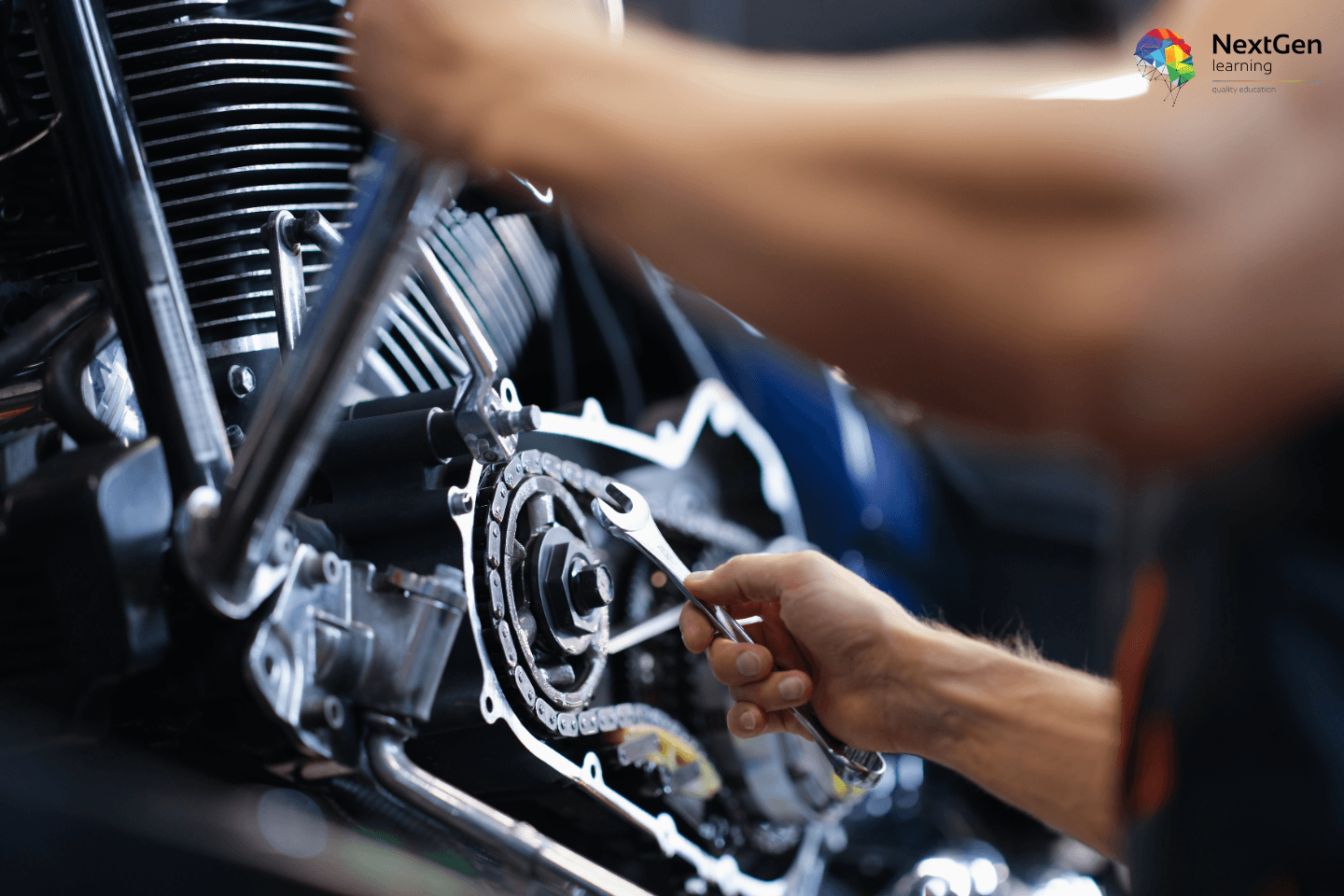
A motorcycle mechanic is responsible for inspecting, servicing, diagnosing, repairing, and maintaining motorcycles to ensure they operate safely and efficiently. These professionals work on a wide range of components, including engines, braking systems, transmissions, suspension systems, electrical systems, and fuel delivery systems.
In addition to carrying out routine maintenance, motorcycle mechanics use specialised tools and diagnostic equipment to identify faults and recommend appropriate repairs. Consequently, they play an important role in improving vehicle performance, reliability, and rider safety.
Typical responsibilities of a motorcycle mechanic include:
- Performing Routine Servicing: Change oil, replace filters, inspect tyres, and complete scheduled maintenance.
- Diagnosing Mechanical Faults: Identify issues affecting engine performance, handling, or electrical systems.
- Repairing and Replacing Components: Fix or replace damaged parts such as brakes, clutches, chains, and suspension components.
- Testing Motorcycle Performance: Conduct inspections and road tests to ensure repairs have been completed correctly.
- Maintaining Service Records: Document repairs, maintenance activities, and recommendations for customers.
- Advising Customers: Explain faults, repair options, maintenance requirements, and safety concerns.
Motorcycle mechanics may work in independent repair shops, motorcycle dealerships, specialist performance workshops, motorsport teams, or mobile repair businesses. Therefore, the role offers a variety of career opportunities for individuals who enjoy practical work and mechanical problem-solving.
As motorcycle technology continues to evolve, mechanics must also stay up to date with modern diagnostic systems, electronic controls, and emerging electric motorcycle technologies.
Why Choose a Career as a Motorcycle Mechanic?
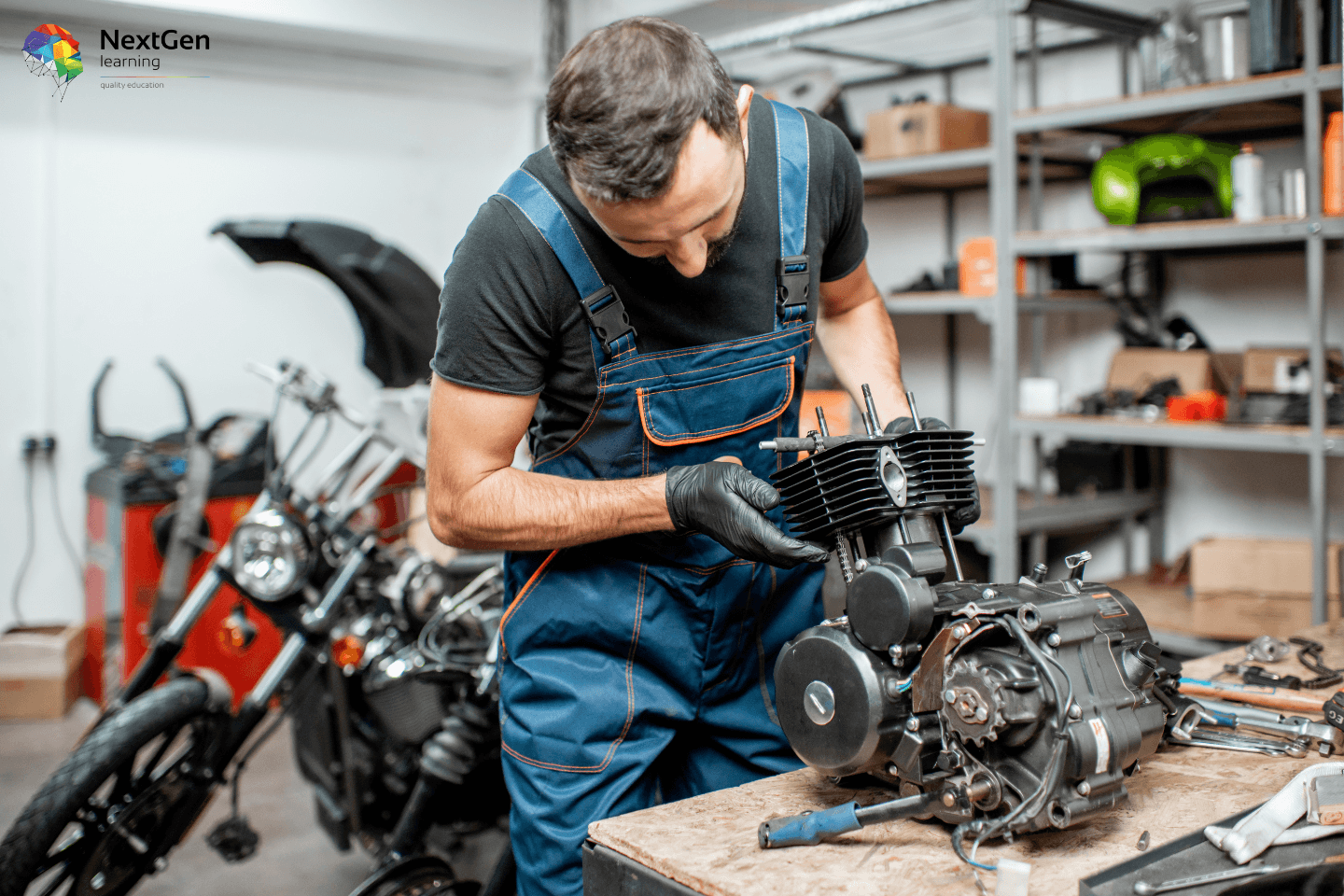
A career as a motorcycle mechanic can be both personally rewarding and professionally fulfilling. For individuals who enjoy working with motorcycles, solving technical problems, and using practical skills every day, this profession offers a unique opportunity to turn a passion into a long-term career.
Moreover, motorcycle mechanics are needed across dealerships, repair workshops, motorsport teams, and specialist service centres. As a result, skilled technicians often benefit from consistent employment opportunities and the potential to progress into higher-paying specialist or management roles.
Some of the key benefits of becoming a motorcycle mechanic include:
- Hands-On Work: Spend your days diagnosing faults, repairing motorcycles, and working with modern tools and equipment.
- Varied Responsibilities: Every motorcycle and repair job presents different challenges and learning opportunities.
- Strong Career Progression: Advance into senior technician, workshop supervisor, workshop manager, or specialist roles.
- Industry Demand: Skilled mechanics remain valuable to dealerships, independent garages, and motorcycle service centres.
- Opportunities for Specialisation: Focus on areas such as diagnostics, performance motorcycles, restoration projects, or electric motorcycles.
- Potential for Self-Employment: Experienced mechanics can establish their own workshop or mobile repair business.
- Continuous Learning: Develop new skills as motorcycle technology, diagnostic systems, and repair methods evolve.
Additionally, many mechanics find satisfaction in helping customers keep their motorcycles safe, reliable, and roadworthy. Therefore, if you enjoy practical problem-solving, mechanical systems, and working in a dynamic environment, motorcycle mechanics can provide an engaging and rewarding career path.
Motorcycle Mechanic Career Routes Compared
There are several ways to enter the motorcycle maintenance industry. The right route depends on your education, experience, learning preferences, and long-term career goals. While some individuals prefer structured training programmes, others gain practical experience through apprenticeships or direct entry into the industry.
| Career Route | Typical Entry Requirement | Main Advantage |
|---|---|---|
| Apprenticeship | GCSEs or equivalent | Earn while you learn and gain practical experience |
| Level 2 Motorcycle Maintenance Course | No previous experience required | Develop fundamental maintenance and repair skills |
| Level 3 Motorcycle Maintenance Qualification | Level 2 qualification or relevant experience | Gain advanced technical knowledge and employability |
| Direct Entry Through Experience | Practical motorcycle knowledge | Build skills through hands-on work and industry exposure |
| Specialist Manufacturer Training | Industry experience | Develop expertise in specific motorcycle brands and technologies |
Apprenticeship Route
An apprenticeship is one of the most common pathways into the profession. GOV.UK Apprenticeships provides information on apprenticeship opportunities, training requirements, and available career pathways. It combines workplace training with classroom-based learning, allowing you to develop practical skills while earning an income. Consequently, apprentices gain valuable experience that employers highly value.
College or Training Course Route
Many aspiring motorcycle mechanics choose to complete a Level 2 or Level 3 motorcycle maintenance qualification. These courses provide structured training in motorcycle servicing, diagnostics, repair techniques, and health and safety procedures. As a result, learners develop the technical knowledge needed to enter the industry confidently.
Direct Entry Route
Individuals with extensive practical motorcycle knowledge may secure entry-level workshop positions without completing formal training. However, employers often prefer candidates who can demonstrate both technical skills and a commitment to professional development.
Specialist Training Route
After gaining experience, many mechanics pursue manufacturer-specific training programmes. These qualifications help technicians develop expertise in particular motorcycle brands and often improve career progression and earning potential.
Regardless of the route you choose, combining practical experience with recognised training can significantly improve your employment opportunities and long-term career prospects.
How to Become a Motorcycle Mechanic Step by Step
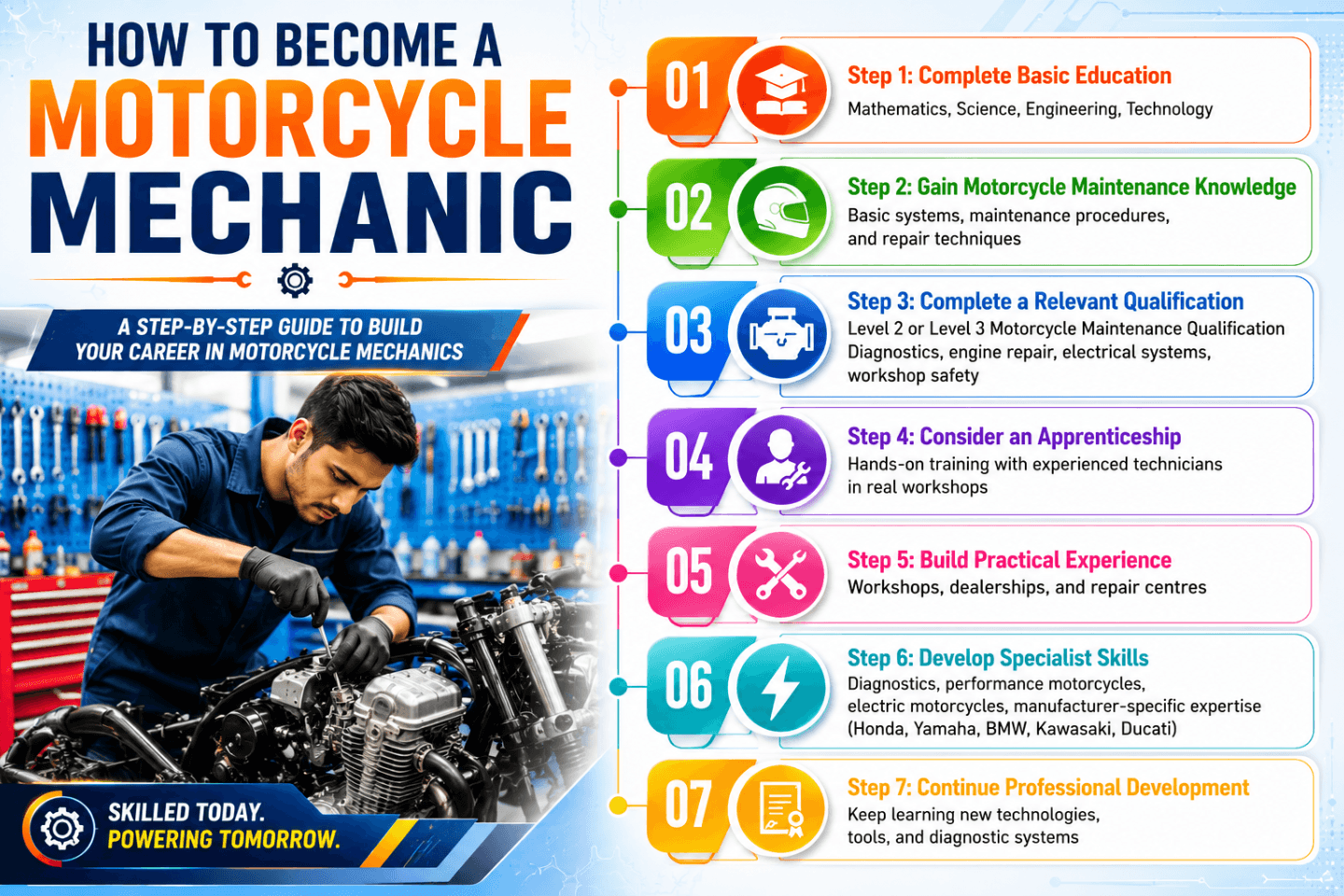
Becoming a motorcycle mechanic requires a combination of technical knowledge, practical experience, and a willingness to continuously learn. The National Careers Service provides guidance on training routes, qualifications, and career opportunities for aspiring motorcycle mechanics. While there is no single pathway into the profession, following a structured approach can improve your chances of building a successful career.
Step 1: Complete Your Basic Education
Most employers expect candidates to have a good standard of general education. Subjects such as mathematics, science, engineering, and technology can be particularly useful because they help develop problem-solving and mechanical understanding.
Step 2: Gain Motorcycle Maintenance Knowledge
Before entering the industry, it is beneficial to develop a basic understanding of motorcycle systems, maintenance procedures, and repair techniques. This can be achieved through self-learning, practical experience, or introductory motorcycle maintenance courses.
Step 3: Complete a Relevant Qualification
Many aspiring motorcycle mechanics choose to complete a Level 2 or Level 3 motorcycle maintenance qualification. These programmes provide training in servicing, diagnostics, fault finding, engine repair, electrical systems, and workshop safety. Consequently, formal qualifications can improve employability and technical confidence.
Step 4: Consider an Apprenticeship
Apprenticeships provide valuable workplace experience while allowing you to learn from experienced technicians. Moreover, apprentices gain hands-on skills, industry knowledge, and recognised qualifications that employers often value highly.
Step 5: Build Practical Experience
Practical experience is essential in this profession. Working in a motorcycle workshop, dealership, or repair centre helps you develop diagnostic skills, understand customer requirements, and gain confidence working on different motorcycle models.
Step 6: Develop Specialist Skills
As your experience grows, consider specialising in areas such as:
- Motorcycle Diagnostics: Advanced fault-finding and electronic systems.
- Performance Motorcycles: Tuning and maintaining high-performance bikes.
- Electric Motorcycles: Servicing emerging electric motorcycle technologies.
- Manufacturer-Specific Expertise: Working with brands such as Honda, Yamaha, BMW, Kawasaki, or Ducati.
Step 7: Continue Professional Development
Motorcycle technology continues to evolve. Therefore, successful mechanics regularly update their knowledge, learn new repair techniques, and stay informed about modern diagnostic equipment and industry developments.
By combining recognised training, practical experience, and ongoing professional development, you can build a rewarding and sustainable career as a motorcycle mechanic.
Qualifications Needed to Become a Motorcycle Mechanic
While some motorcycle mechanics enter the industry through practical experience alone, recognised qualifications can significantly improve employment prospects and career progression. Moreover, formal training helps develop the technical knowledge and hands-on skills required to work safely and effectively on modern motorcycles.
Many employers prefer candidates who have completed a motorcycle maintenance or vehicle repair qualification because these programmes provide structured training in diagnostics, servicing, repair procedures, and workshop safety.The Institute of the Motor Industry (IMI) offers recognised qualifications and professional standards that support career development within the automotive sector.
Common qualification routes include:
- Level 2 Motorcycle Maintenance Qualification: Covers fundamental motorcycle servicing, inspection, and repair skills.
- Level 3 Motorcycle Maintenance Qualification: Develops advanced knowledge of diagnostics, engine systems, electrical components, and fault finding.
- Motor Vehicle Maintenance Courses: Provide broader vehicle repair knowledge that can be applied within motorcycle workshops.
- Apprenticeship Programmes: Combine workplace experience with recognised qualifications and industry training.
- Manufacturer Training Programmes: Help technicians specialise in specific motorcycle brands and technologies.
In addition to technical qualifications, employers value practical experience, reliability, problem-solving ability, and a strong commitment to customer service. Therefore, combining formal training with hands-on workshop experience often provides the strongest foundation for a successful career.
As motorcycle technology becomes increasingly advanced, qualifications relating to diagnostics, electronic systems, and electric vehicle technology can also provide a competitive advantage when seeking employment or career progression opportunities.
Skills Every Motorcycle Mechanic Needs

Technical knowledge is important, but successful motorcycle mechanics also rely on a combination of practical, analytical, and interpersonal skills. These abilities help technicians diagnose faults accurately, complete repairs efficiently, and provide a high standard of customer service.
As motorcycle technology continues to evolve, employers increasingly seek mechanics who can adapt to new systems and work confidently with both traditional and modern motorcycles.
Key skills every motorcycle mechanic should develop include:
- Mechanical Knowledge: Understand how motorcycle engines, braking systems, transmissions, suspension, and electrical components operate.
- Diagnostic Skills: Identify faults quickly and accurately using inspection techniques and diagnostic equipment.
- Problem-Solving Ability: Analyse issues logically and determine the most effective repair solutions.
- Attention to Detail: Detect small faults that could affect performance, reliability, or safety.
- Manual Dexterity: Use tools and equipment safely while working on complex mechanical systems.
- Technical Communication: Explain faults, repairs, and maintenance requirements clearly to customers.
- Time Management: Complete repairs efficiently while maintaining quality workmanship.
- Customer Service Skills: Build trust with customers through professionalism, honesty, and reliable service.
- Computer and Diagnostic Skills: Work with modern diagnostic software and electronic control systems.
- Continuous Learning: Stay informed about new motorcycle technologies, repair methods, and industry developments.
In addition, mechanics who develop expertise in diagnostics, performance tuning, and electric motorcycle technology often gain access to more advanced roles and higher earning opportunities. Therefore, investing in both technical and professional skills can significantly improve long-term career prospects.
Motorcycle Mechanic Salary in the UK
One of the most common questions aspiring technicians ask is how much a motorcycle mechanic can earn. While salaries vary depending on experience, qualifications, location, and employer, motorcycle mechanics can enjoy steady earning potential and opportunities for salary growth throughout their careers.
Entry-level mechanics typically begin with lower salaries while gaining practical experience and developing technical skills. However, earnings often increase as mechanics become more experienced, take on additional responsibilities, or specialise in areas such as diagnostics, performance motorcycles, or manufacturer-specific repairs.
Factors that can influence a motorcycle mechanic’s salary include:
- Experience Level: More experienced technicians generally earn higher salaries.
- Qualifications: Advanced training and recognised certifications can improve earning potential.
- Specialist Skills: Expertise in diagnostics, performance tuning, or electric motorcycles may command higher pay.
- Location: Salaries can vary depending on demand and regional employment conditions.
- Employer Type: Dealerships, specialist workshops, and motorsport organisations may offer different salary levels.
- Management Responsibilities: Supervisory and workshop management roles often provide higher compensation.
For individuals who continue developing their skills and gaining industry experience, motorcycle mechanics can progress into well-paid specialist, supervisory, or self-employed positions with strong long-term earning potential.
Motorcycle Mechanic Salary by Experience Level
Motorcycle mechanic salaries generally increase with experience, qualifications, and specialist expertise. While entry-level technicians focus on developing practical skills, experienced professionals can progress into senior, specialist, or management positions with significantly higher earning potential.
| Experience Level | Typical Annual Salary |
|---|---|
| Apprentice Motorcycle Mechanic | £14,000–£22,000 |
| Entry-Level Motorcycle Mechanic | £22,000–£28,000 |
| Qualified Motorcycle Mechanic | £28,000–£35,000 |
| Senior Motorcycle Technician | £35,000–£45,000 |
| Diagnostic Specialist | £40,000–£50,000+ |
| Workshop Supervisor / Manager | £40,000–£55,000+ |
| Self-Employed Motorcycle Mechanic | £35,000–£60,000+ |
Importantly, salaries can vary depending on location, employer, and specialisation. Mechanics who develop expertise in diagnostics, performance motorcycles, manufacturer-specific systems, or emerging electric motorcycle technologies often have access to higher-paying opportunities.
How to Increase Your Earning Potential as a Motorcycle Mechanic
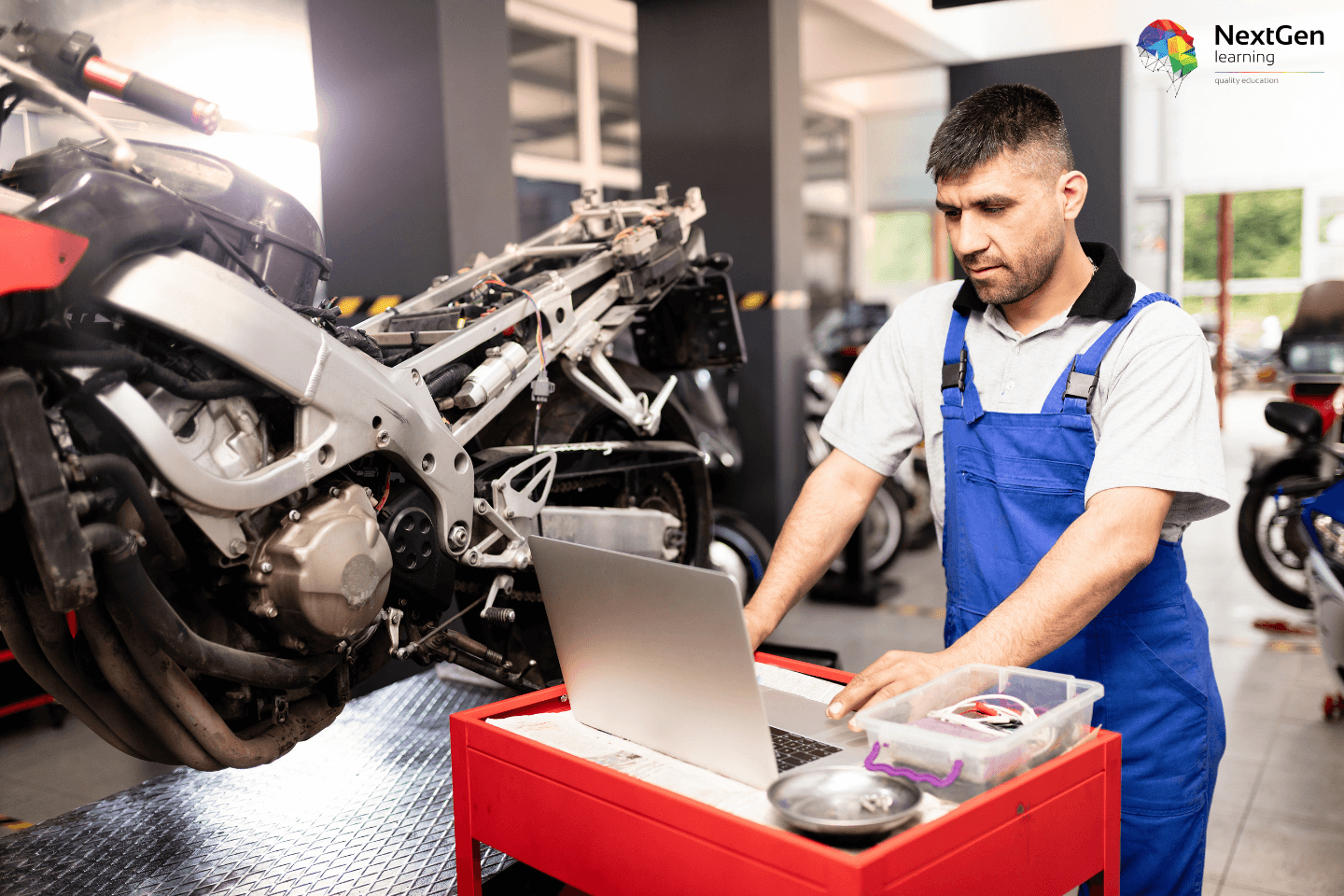
While experience naturally leads to higher earnings, there are several ways to accelerate career growth and improve your income potential. Employers often reward mechanics who demonstrate advanced technical knowledge, specialist expertise, and strong customer service skills.
You can increase your earning potential by:
- Gaining Advanced Qualifications: Complete higher-level motorcycle maintenance and diagnostic training.
- Earning Manufacturer Certifications: Develop expertise in brands such as Honda, Yamaha, BMW, Kawasaki, or Ducati.
- Specialising in Diagnostics: Learn to use advanced fault-finding equipment and electronic diagnostic systems.
- Working With Performance Motorcycles: Specialist performance and racing motorcycles often attract premium service rates.
- Developing Electric Motorcycle Expertise: Build skills in servicing and maintaining emerging electric motorcycle technologies.
- Moving Into Leadership Roles: Progress into workshop supervisor or workshop manager positions.
- Strengthening Customer Service Skills: Excellent customer relationships can improve reputation and career opportunities.
- Considering Self-Employment: Running an independent workshop or mobile mechanic service can provide greater earning flexibility.
By continually investing in your skills and professional development, you can position yourself for higher-paying roles and long-term career success within the motorcycle industry.
Career Progression Opportunities for Motorcycle Mechanics
Motorcycle mechanics have several opportunities to advance their careers as they gain experience, develop specialist skills, and take on greater responsibilities. While many professionals begin in entry-level workshop roles, continued training and practical experience can open the door to higher-paying and more specialised positions.
Common career progression pathways include:
- Senior Motorcycle Technician: Handle advanced diagnostics, complex repairs, and technical troubleshooting.
- Diagnostic Specialist: Focus on electronic systems, fault finding, and modern motorcycle technologies.
- Workshop Supervisor: Coordinate daily workshop activities and support junior technicians.
- Workshop Manager: Oversee operations, staff management, customer service, and business performance.
- Manufacturer Specialist: Develop expertise in specific motorcycle brands through specialist training programmes.
- Motorsport Technician: Work with racing teams and high-performance motorcycles in competitive environments.
- Technical Trainer: Teach motorcycle maintenance skills and support the development of future technicians.
- Self-Employed Business Owner: Operate an independent workshop or mobile motorcycle repair service.
As motorcycle technology continues to evolve, professionals who invest in advanced diagnostics, electric vehicle systems, and manufacturer-specific training are often well-positioned for career advancement. Therefore, motorcycle mechanics can enjoy a long-term career path with diverse opportunities for growth, specialisation, and increased earning potential.
Future Demand for Motorcycle Mechanics
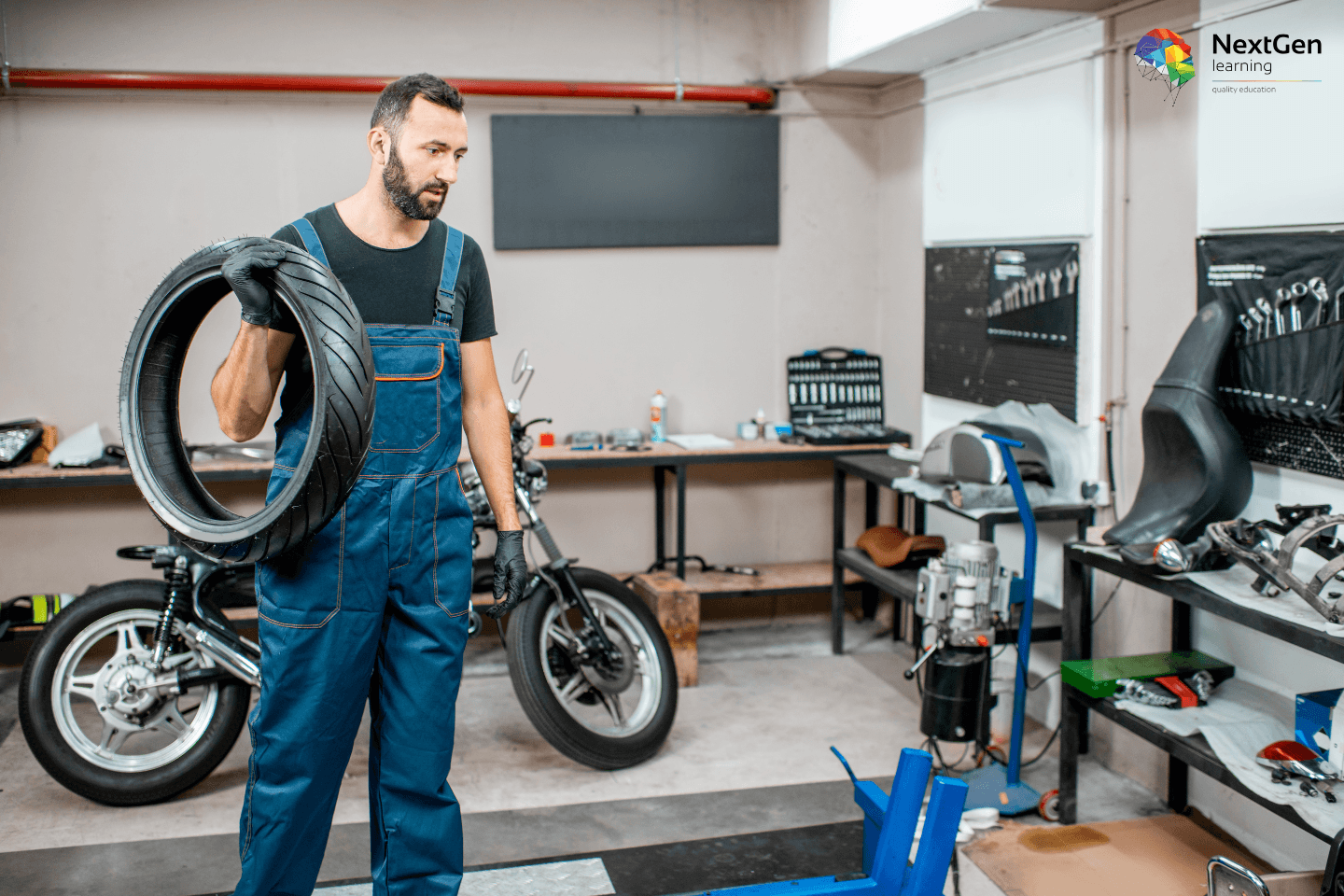
The future outlook for motorcycle mechanics remains positive as motorcycles continue to be widely used for transport, leisure, and commercial purposes. The Motorcycle Industry Association continues to highlight the importance of skilled technicians in supporting the UK’s growing motorcycle sector. In addition, modern motorcycles are becoming increasingly sophisticated, creating demand for technicians with up-to-date technical knowledge and diagnostic skills.
Several industry trends are expected to shape future employment opportunities:
- Growth of Advanced Diagnostics: Modern motorcycles rely heavily on electronic systems and diagnostic technology.
- Rise of Electric Motorcycles: Technicians with electric vehicle maintenance skills are likely to become increasingly valuable.
- Continued Demand for Servicing and Repairs: Motorcycles require regular maintenance regardless of technological advancements.
- Increasing Specialist Opportunities: Performance motorcycles, restoration projects, and manufacturer-specific servicing continue to grow in popularity.
As a result, skilled motorcycle mechanics who keep pace with industry developments and emerging technologies are expected to remain in demand for years to come.
Frequently Asked Questions
While formal qualifications are not always mandatory, many employers prefer candidates with recognised motorcycle maintenance or vehicle repair qualifications. Additionally, completing a Level 2 or Level 3 course can improve your technical knowledge and employment prospects.
The time required depends on the training route you choose. Some training programmes can be completed within a year, whereas apprenticeships may take several years because they combine practical work experience with formal learning.
Yes. Many mechanics enter the profession through college courses, training programmes, or practical workshop experience. However, apprenticeships remain one of the most effective ways to gain industry experience while learning.
Motorcycle mechanic salaries vary based on experience, qualifications, and specialisation. Entry-level technicians may earn around £22,000 per year, while experienced specialists, workshop managers, and self-employed mechanics can earn significantly more.
Successful motorcycle mechanics require strong mechanical knowledge, diagnostic abilities, problem-solving skills, attention to detail, and customer service skills. In addition, familiarity with modern diagnostic systems and electronic technologies is increasingly valuable.
Yes. Motorcycle mechanics can enjoy a rewarding hands-on career with opportunities for progression, specialisation, and self-employment. Furthermore, growing demand for diagnostic expertise and emerging electric motorcycle technologies continues to create new career opportunities.



0 responses on "How to Become a Motorcycle Mechanic: Qualifications, Salary and Career Path Guide"