





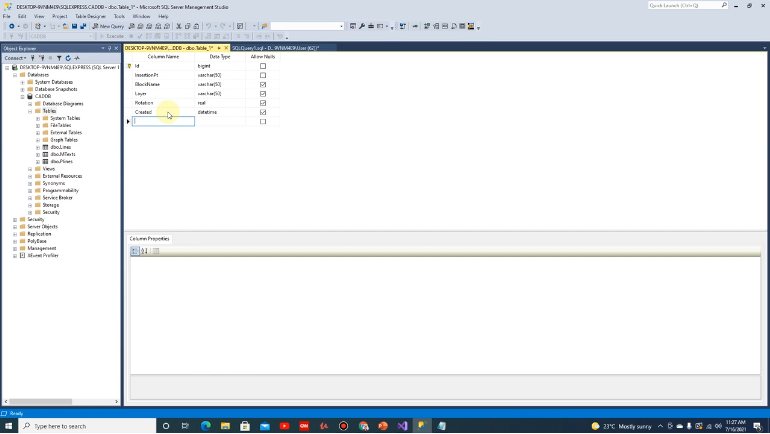
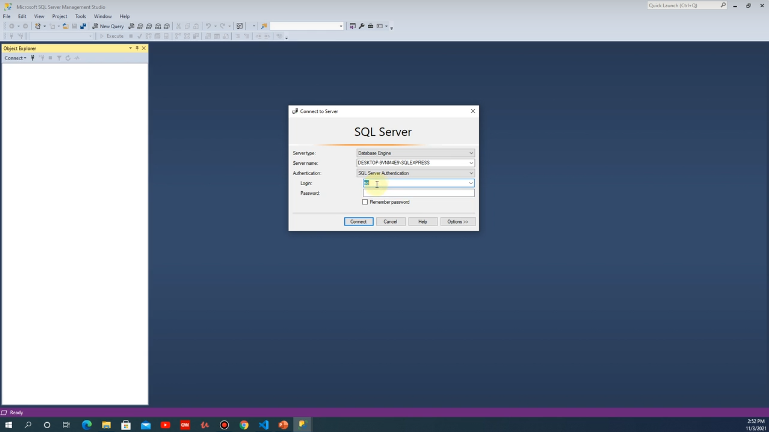
This course teaches how to connect AutoCAD with a SQL Server database using C#. It helps you store, manage, and retrieve data directly from design files. Moreover, it allows you to automate tasks and improve workflow efficiency in technical projects.




Course Curriculum
| Section 01: Introduction | |||
| Course Topics | 00:02:00 | ||
| Introduction | 00:02:00 | ||
| Section 2 - Tools And SQL Queries | |||
| Section Overview | 00:01:00 | ||
| Downloading Visual Studio 2019 | 00:01:00 | ||
| Downloading SQL Server Express | 00:02:00 | ||
| Downloading SQL Server Management Studio (SSMS) | 00:01:00 | ||
| SQL Queries – Overview | 00:03:00 | ||
| INSERT SQL Statement – Demo | 00:13:00 | ||
| SELECT SQL Statement – Demo | 00:08:00 | ||
| UPDATE SQL Statement – Demo | 00:09:00 | ||
| DELETE SQL Statement – Demo | 00:11:00 | ||
| Section 3 - Create Database And Tables | |||
| Section Overview | 00:03:00 | ||
| Creating the CADDB Database | 00:03:00 | ||
| Creating the Lines Table | 00:07:00 | ||
| Creating the MTexts Table | 00:04:00 | ||
| Creating the Plines Table | 00:04:00 | ||
| Creating the Blocks No Attribute Table | 00:04:00 | ||
| Creating the Blocks With Attributes Table | 00:04:00 | ||
| Section 4 - Loading Into SQL Server Database | |||
| Section Overview | 00:04:00 | ||
| Loading Lines into SQL Server Database | 00:04:00 | ||
| Creating the CADDB Project | 00:04:00 | ||
| Creating the Settings File | 00:03:00 | ||
| Creating the Get Connection Method | 00:03:00 | ||
| Creating the LoadLines() Method | 00:20:00 | ||
| Creating the User Interface for the LoadLines() method | 00:07:00 | ||
| Running the LoadLines() Method | 00:05:00 | ||
| Loading MTexts into SQL Server Database – Overview | 00:01:00 | ||
| Creating the LoadMTexts() Method | 00:10:00 | ||
| Running the LoadMTexts() Method | 00:06:00 | ||
| Loading LWPolylines into SQL Server Database – Overview | 00:02:00 | ||
| Creating the LoadPolylines() Method | 00:13:00 | ||
| Running the LoadPlines() Method | 00:03:00 | ||
| Loading Blocks (No Attribute) into SQL Server Database – Overview | 00:01:00 | ||
| Creating the LoadBlocksNoAttribute() Method | 00:11:00 | ||
| Running the LoadBlocksNoAttribute() Method | 00:05:00 | ||
| Loading Blocks (with Attributes) into SQL Server Database – Overview | 00:01:00 | ||
| Creating the LoadBlocksWithAttributes() Method | 00:07:00 | ||
| Running the BlocksWithAttributes() Method | 00:02:00 | ||
| Section 5 - Retrieving Data From Database | |||
| Section Overview | 00:02:00 | ||
| Retrieving Lines from SQL Server Database – Overview | 00:01:00 | ||
| Creating the DBRetrieveUtil Class | 00:03:00 | ||
| Creating the RetrieveAndDrawLines() Method (Part 1) | 00:17:00 | ||
| Creating the GetColorIndex() Method | 00:05:00 | ||
| Creating the RetrieveAndDrawLines() Method (Part 2) | 00:11:00 | ||
| Running and Testing the RetrieveAndDrawLines() Method | 00:09:00 | ||
| Retrieving MTexts from SQL Server Database – Overview | 00:02:00 | ||
| Creating the RetrieveAndDrawMTexts() Method | 00:11:00 | ||
| Running and Testing the CreateAndDrawMTexts() Method | 00:05:00 | ||
| Retrieving LWPolylines from SQL Server Database – Overview | 00:01:00 | ||
| Creating the RetrieveAndDrawPlines() Method | 00:12:00 | ||
| Running and Testing the RetrieveAndDrawPlines() Method | 00:05:00 | ||
| Retrieving Blocks (No Attribute) from SQL Server Database – Overview | 00:01:00 | ||
| Creating the RetrieveAndDrawBlocksNoAttribute() Method | 00:11:00 | ||
| Running and Testing the RetrieveAndDrawBlocksNoAttribute() Method | 00:05:00 | ||
| Retrieving Blocks (with Attributes) from SQL Server Database – Overview | 00:01:00 | ||
| Creating the RetrieveAndDrawBlocksWithAttributes() Method | 00:21:00 | ||
| Running and Testing the RetrieveAndDrawBlocksWithAttributes() Method | 00:10:00 | ||
| Section 6 - Updating Data In SQL Server Database - Overview | |||
| Section Overview | 00:58:00 | ||
| Updating Lines in SQL Server Database – Overview | 00:01:00 | ||
| Creating the DBUpdateUtil Class | 00:02:00 | ||
| Creating the UpdateLines() Method | 00:25:00 | ||
| Creating the User Interface for UpdateLines() Method | 00:02:00 | ||
| Running and Testing the UpdateLines() Method | 00:08:00 | ||
| Updating MTexts in SQL Server Database – Overview | 00:01:00 | ||
| Creating the UpdateMTexts() Method | 00:09:00 | ||
| Creating the User Interface for UpdateMTexts() | 00:02:00 | ||
| Running and Testing the UpdateMTexts() Method | 00:07:00 | ||
| Updating the LWPolylines in SQL Server Database – Overview | 00:01:00 | ||
| Creating the UpdateLWPolylines() Method | 00:09:00 | ||
| Running and Testing the UpdateLWPolylines() Method | 00:07:00 | ||
| Updating Blocks (No Attributes) in SQL Server Database – Overview | 00:01:00 | ||
| Creating the UpdateBlocksNoAttributes() Method | 00:10:00 | ||
| Creating the User Interface for UpdateBlocksNoAttributes() Method | 00:01:00 | ||
| Running and Testing the UpdateBlocksNoAttributes() Method | 00:04:00 | ||
| Updating Blocks With Attributes in SQL Server Database – Overview | 00:01:00 | ||
| Creating the UpdateBlocksWithAttributes() Method | 00:08:00 | ||
| Creating the User Interface for UpdateBlocksNoAttributes() Method | 00:01:00 | ||
| Running and Testing the UpdateBlocksWithAttributes() Method | 00:09:00 | ||
| Section 7 - Deleting Data In SQL Server Database From AutoCAD - Overview | |||
| Section Overview | 00:02:00 | ||
| Deleting Lines in SQL Server from AutoCAD – Overview | 00:01:00 | ||
| Creating the DBDeleteUtil Class | 00:01:00 | ||
| Creating the DeleteLines() Method | 00:13:00 | ||
| Creating the User Interface for the DeleteLines() Method | 00:02:00 | ||
| Running and Testing the DeleteLines() Method | 00:04:00 | ||
| Deleting MTexts in SQL Server Database from AutoCAD – Overview | 00:01:00 | ||
| Creating the DeleteMTexts() Method | 00:04:00 | ||
| Creating the User Interface for DeleteMTexts() Method | 00:01:00 | ||
| Running and Testing the DeleteMTexts() Method | 00:03:00 | ||
| Deleting LWPolylines in SQL Server Database from AutoCAD – Overview | 00:01:00 | ||
| Creating the DeletePlines() Method | 00:04:00 | ||
| Creating the User Interface for the DeletePlines() Method | 00:01:00 | ||
| Running and Testing the DeletePlines() Method | 00:02:00 | ||
| Deleting Blocks (No Attribute) in SQL Server Database from AutoCAD – Overview | 00:01:00 | ||
| Creating the DeleteBlocksNoAttribute() Method | 00:03:00 | ||
| Creating the User Interface for DeleteBlocksNoAttribute() Method | 00:01:00 | ||
| Running and Testing DeleteBlocksNoAttribute() Method | 00:02:00 | ||
| Deleting Blocks (With Attributes) in SQL Server Database from AutoCAD – Overview | 00:01:00 | ||
| Creating the DeleteBlocksWithAttributes() Method | 00:04:00 | ||
| Creating the User Interface for DeleteBlocksWithAttributes() Method | 00:01:00 | ||
| Running and Testing the DeleteBlocksWithAttributes() Method | 00:02:00 | ||
| Order Your Certificate | |||
| Order Your Certificate | 00:00:00 | ||
Related Courses