





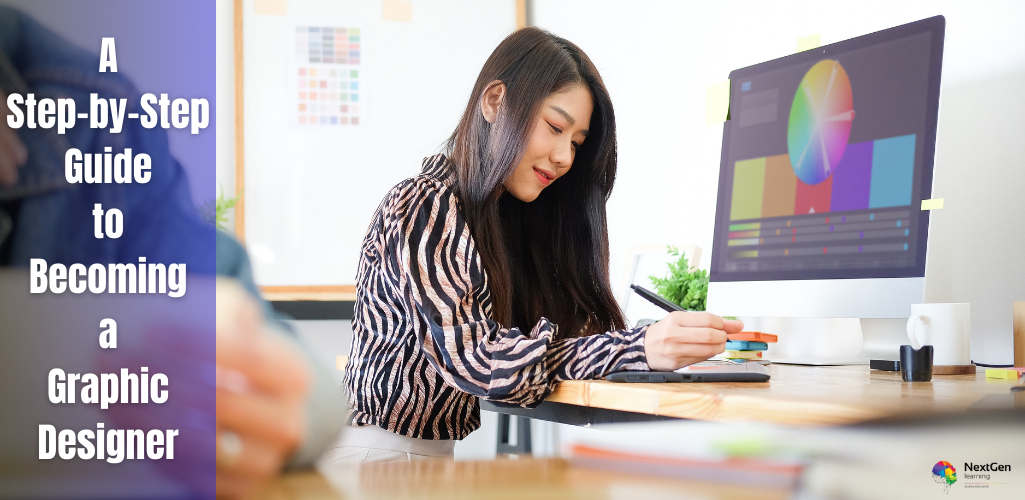
From Beginner to Pro: Step-by-Step Guide to Becoming a Graphic Designer
Calling all creative minds! Have you ever dreamt of turning your artistic vision into reality? Do you find yourself constantly doodling, captivated by visually striking advertisements, or obsessing over beautifully designed websites? If so, then a career in graphic design might be the perfect path for you.
So, where do you start? Here’s a comprehensive guide with step-by-step instructions to help you kickstart your graphic design career and unleash your creative potential. From understanding the foundational principles to building an impressive portfolio, we’ll walk you through each step of the way. So, grab your favorite cup of coffee, unleash your creativity, and get ready to step into the exciting world of graphic design!
Step 01: Ignite the Spark - Cultivating Your Design Passion
First and foremost, graphic design is all about creativity. To excel in this field, you need to nurture your creative instincts and develop a keen sense of design aesthetics. Start by immersing yourself in art and design. Visit museums, browse through design books and magazines, and explore online platforms like Pinterest and Behance for inspiration. Experiment with different artistic mediums and techniques to expand your creative horizons.
Before diving headfirst into design software, it’s crucial to develop a genuine passion for the field. Here’s how to ignite that spark:
Immerse yourself in the design world: Surround yourself with visually stimulating experiences. Browse online design galleries like Behance and Dribbble, walk through art museums, or visit local design shops. Pay close attention to what draws you in and analyse the design elements at play.
Start a personal design project: Whether it’s creating a logo for your favorite band or designing a poster for a local event, taking initiative and putting your creativity into action is key. This initial project will help you understand the design process and identify your strengths and weaknesses.
Challenge yourself creatively: Participate in design challenges online or through communities like [invalid URL removed]. This will not only hone your skills but also expose you to diverse design styles and perspectives.
Advanced Diploma in Graphic Design
Step 2: Build Your Design Foundation - Mastering the Essentials
Now that your passion is ignited, it’s time to build a solid foundation in the core principles of graphic design. Here are the essential areas to focus on:
Design principles: Understand the basic principles like balance, contrast, hierarchy, emphasis, rhythm, and pattern. These principles act as the building blocks of any successful design, dictating how elements are arranged and how effectively they communicate the intended message.
Color theory: Learn the fundamentals of color theory, including the color wheel, primary and secondary colors, and complementary and analogous color schemes. Understanding color psychology will further enhance your ability to evoke specific emotions and reactions through your designs.
Typography: Explore the world of typography. Learn about different font classifications (serif, sans-serif, script), understand the anatomy of a letter, and discover how type choices can influence the overall tone and message of your design.
Step 3: Level Up Your Skills - Mastering the Tools of the Trade
With a strong foundation in place, it’s time to delve into the software that brings your creative vision to life. While there are numerous design tools available, some industry-standard software programs stand out:
Adobe Illustrator: This vector-based software allows you to create scalable illustrations, logos, and icons. It’s ideal for projects requiring clean and precise lines, like logos or infographics. NextGen Learning offers comprehensive Adobe Illustrator courses to help you master this powerful tool.
Adobe Photoshop: Primarily known for photo editing and manipulation, Photoshop also offers robust graphic design capabilities. You can create layouts, manipulate images, and experiment with various design effects. Explore NextGeneration Learning’s extensive Photoshop courses to unlock the full potential of this software.
While these are the industry leaders, consider exploring other options like:
Canva: A user-friendly online design tool perfect for beginners. Canva offers a wide range of pre-designed templates and user-friendly tools, making it ideal for creating social media graphics, presentations, and basic marketing materials.
Figma: A collaborative design platform gaining popularity in the UI/UX design world. It allows both designers and clients to work on projects simultaneously, streamlining the design workflow and communication.
Step 4: Practice Makes Perfect - Hone Your Skills with Real-World Projects
Now that you have the knowledge and tools at your disposal, it’s time to put your newfound skills into practice. Here are ways to gain valuable design experience:
Volunteer your design skills: Offer your design services to non-profit organizations, local businesses, or community projects. This not only helps the organization but also allows you to build a diverse portfolio and gain real-world experience.
Freelance your services: Once you’re comfortable with your skill level, consider taking on freelance projects. Platforms like Upwork and Fiverr offer opportunities to connect with clients and build your freelance portfolio.
Participate in design contests: Design contests offer a fun way to challenge yourself creatively while exposing your work to a wider audience. Winning or placing in a contest can significantly boost your confidence and online presence.
Step 5: Showcase Your Talent - Building a Stellar Portfolio

A compelling portfolio is your key to unlocking the door to potential design opportunities. This online platform serves as a window into your design skills, creativity, and overall approach. Here’s how to build a portfolio that grabs attention:
Focus on quality over quantity: Don’t overwhelm your audience with an extensive collection of mediocre work. Choose projects that showcase your diverse skillset, strongest design elements, and ability to solve design problems effectively.
Diversity is key: Include projects from various categories like logo design, branding, social media graphics, website layouts, and infographics. This demonstrates your versatility and ability to adapt to different design needs.
Tell a story with each project: Don’t just present visuals; tell the story behind each project. Briefly explain the design challenge, your proposed solution, and the thought process behind your design choices.
Prioritise user experience: Design your portfolio website with user-friendliness in mind. Ensure it’s easy to navigate, loads quickly, and showcases your work effectively on various devices.
Step 6: Network and Connect - Building Your Design Community
Building a strong network within the design community is crucial for career advancement. Here are ways to connect with other designers and industry professionals:
Attend design events and workshops: Participate in local design meetups, conferences, or workshops hosted by organizations like AIGA (American Institute of Graphic Arts). This is a fantastic way to learn from industry experts, connect with peers, and potentially discover job opportunities.
Connect online: Join online design communities on platforms like LinkedIn, Facebook groups, or online forums specific to your design interests. Participate in discussions, share your work, and connect with other designers on a global scale.
Find a design mentor: Having a mentor can be an invaluable resource. Look for experienced designers in your network or through online platforms like [invalid URL removed]. A mentor can provide valuable career advice, guidance, and support as you navigate the design landscape.
Step 7: Land Your Dream Job - Mastering the Job Search
With a strong portfolio and a network of connections, you’re ready to kickstart your graphic design career. Here are some tips for landing your dream job:
Tailor your resume and portfolio: Tailor your resume and portfolio to each specific job application. Highlight the skills and experiences that are most relevant to the position you’re applying for and showcase relevant projects in your portfolio.
Prepare for the interview: Research the company and the specific design role thoroughly. Anticipate potential interview questions and prepare thoughtful responses that demonstrate your passion, skills, and knowledge.
Build your online presence: Create a professional online presence through platforms like LinkedIn and Behance. This allows potential employers to discover your work and learn more about your design expertise.
Step 8: Never Stop Learning
Continuous learning is key to staying ahead in the fast-paced world of graphic design. Take advantage of online resources, workshops, seminars, and professional development courses to expand your knowledge and skills. At NextGen Learning, we offer advanced courses on UI/UX design, equipping you with the expertise to create intuitive and user-friendly digital experiences that delight users and drive results.
Step 9: Network and Collaborate
Networking is essential for career growth in graphic design. Attend industry events, join design communities and online forums, and connect with fellow designers, mentors, and potential clients. Collaboration is also a powerful way to grow as a designer. Collaborate with other creatives, developers, and marketers on projects to gain new perspectives and insights, and to expand your professional network.
Step 10: Stay Inspired and Keep Creating
Finally, never lose sight of what drew you to graphic design in the first place—your passion for creativity and visual expression. Stay inspired by surrounding yourself with art, exploring new ideas, and challenging yourself to push the boundaries of your creativity. Keep creating, experimenting, and refining your craft, and you’ll continue to grow and evolve as a graphic designer.
Remember: The journey to becoming a successful graphic designer is a marathon, not a sprint. Embrace continuous learning, stay passionate, hone your skills with dedicated practice, and don’t be afraid to put yourself out there.
Ready to unlock your creative potential and embark on your graphic design journey? Explore NextGeneration Learning’s comprehensive suite of design courses covering a wide range of software programs, design principles, and career-building strategies. Our experienced instructors, industry-aligned curriculum, and flexible learning options will equip you with the knowledge, skills, and confidence to thrive in the dynamic world of graphic design.
Visit our website today and take your first step towards becoming the next design sensation!
Lifetime access to 3000+ courses for just £149!
Call To Action
- Advanced Graphic Design Diploma Course
- Photo Manipulation: Graphic Design Training
- Complete After Effects for Graphic Design
- T-shirt Designs in Photoshop
- Graphic Design Using Canva
- Advanced Diploma in Graphic Design
- Flat Design Icons in Illustrator
- Advanced Diploma in User Experience UI/UX Design
- Design Retro and Flat Design Badges in Illustrator
- Basic Adobe Illustrator
- Basic Adobe Photoshop
Exclusive Complimentary Gift for You
Career Development and Passion
Categories
All Courses
Personal Development
645
Employability
403
Health & Care
319
Management
300
IT & Software
273
Business
264
Quality Licence Scheme Endorsed
256
Safety & First Aid
216
Teaching & Education
163
Accounting & Finance
146
Design & Technology
121
Mental Health & Counselling
117
Construction & Engineering
116
Sales & Marketing
111
Compliance & Law
97
Food & Nutrition
83
Science
71
Sports & Fitness
54
Language
50
Animal Care
41
Photography & Lifestyle
36
Makeup & Beauty
25
Programming & Coding
20
Cybersecurity
17
Business Communication
15
Job Ready Programme
14
Career Bundle
13
Development
10
Data & Analytics
10
Organizational Development
9
Leadership Development
8
Risk Management
6
Car Maintainence
1

0 responses on "From Beginner to Pro: Step-by-Step Guide to Becoming a Graphic Designer"