





Is Plumbing a Good Career in the UK? Salary, Pros & Path
Choosing a career is a major decision. Therefore, it’s natural to ask whether plumbing is genuinely a good long-term option in the UK. With rising living costs, changing job markets, and growing demand for practical skills, many people want a career that offers stability, clear progression, and reliable income.
Plumbing often appears near the top of that list. However, while many articles highlight the positives, they rarely explain what the career truly involves or who it suits best. As a result, people are left with surface-level answers instead of real clarity. This guide takes a different approach. It explains the reality of working as a plumber in the UK, the benefits, the challenges, and the career paths available, so you can make an informed decision with confidence.
Before exploring salaries, qualifications, or progression routes, it’s important to understand why plumbing remains a popular and practical career choice and what expectations you should realistically have from it.
Table of Contents
Why People Ask If Plumbing Is a Good Career

Many people don’t ask this question out of curiosity alone. Instead, they ask it because they want reassurance before committing time, money, and effort to a practical career. In the UK, plumbing often attracts school leavers, adult learners, and career changers, which means expectations and concerns vary widely.
For example, some people want a job that feels more secure than office-based roles. Others want a skill they can rely on even during economic uncertainty. At the same time, many worry about physical demands, long hours, or whether the pay truly justifies the effort. Therefore, the question “Is plumbing a good career?” usually reflects a deeper need for clarity, not just a yes-or-no answer.
Common reasons people research plumbing as a career include:
- Wanting job security in an essential trade
- Looking for an alternative to university or academic routes
- Seeking hands-on, practical work instead of desk-based roles
- Considering a career change later in life
- Wanting the option of self-employment in the future
However, while online articles often focus on benefits alone, they rarely connect those benefits to real working conditions. As a result, readers struggle to decide whether plumbing suits their lifestyle, strengths, and long-term goals. That’s why it’s important to look beyond headlines and understand what plumbers actually do and how the role fits into everyday working life in the UK.
What Does a Plumber Actually Do in the UK?
Before deciding whether plumbing is the right career, it’s important to understand what the job involves on a practical level. While many people picture plumbers fixing leaks, the role is far broader and more technical. In the UK, plumbers work across residential, commercial, and sometimes industrial environments, often dealing with essential systems that homes and businesses rely on every day.
On a typical day, a plumber may work independently or as part of a team. Depending on the role and experience level, tasks can vary significantly. However, the core responsibility always remains the same: ensuring water, heating, and drainage systems function safely and efficiently.
Typical Day-to-Day Responsibilities
Plumbers in the UK are commonly responsible for:
- Installing and repairing water supply and drainage systems
- Maintaining central heating systems, including radiators and pipework
- Diagnosing faults such as leaks, blockages, or low water pressure
- Replacing fixtures like taps, toilets, and sinks
- Reading technical drawings and following building regulations
- Ensuring work complies with UK safety and plumbing standards
In addition to technical work, plumbers also spend time communicating with customers, planning jobs, and sourcing materials. As experience grows, responsibilities often expand to include supervising apprentices, estimating costs, or managing entire projects.
Importantly, the role is both physically active and mentally engaging. Plumbers regularly problem-solve on site, adapt to unexpected issues, and apply technical knowledge in real-world situations. Because no two jobs are exactly the same, many plumbers find the work varied and rewarding rather than repetitive.
Key Benefits of a Plumbing Career in the UK
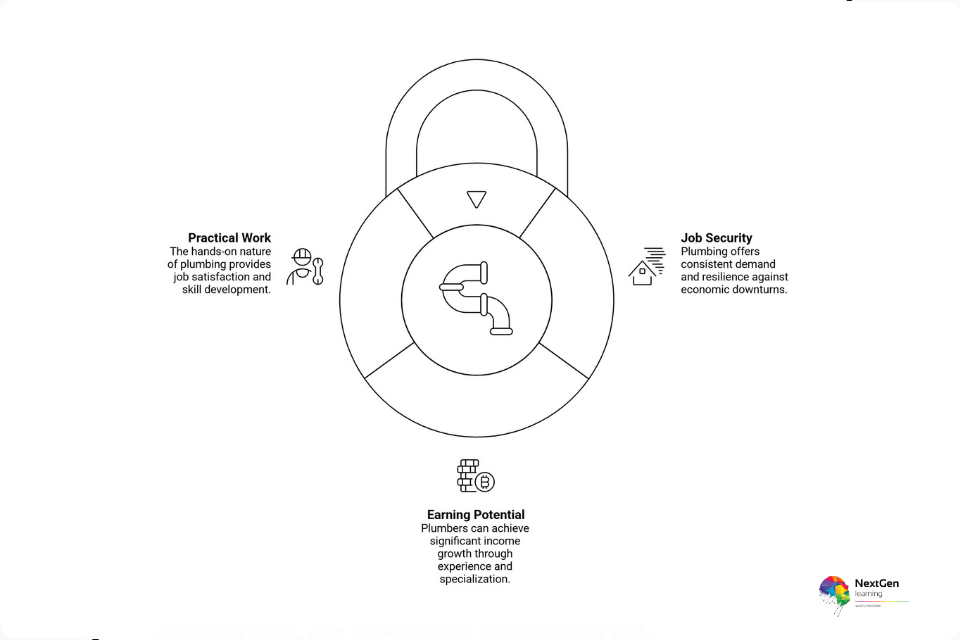
Plumbing continues to attract people from different backgrounds for good reason. While no career is perfect, plumbing offers several advantages that make it a strong long-term option in the UK. Importantly, these benefits are not theoretical. They are closely tied to the essential nature of the work and the ongoing demand for skilled trades.
Job Security and Long-Term Demand
Plumbing is an essential service. Therefore, demand remains consistent regardless of economic conditions. Homes, schools, hospitals, and businesses all rely on safe water and heating systems, which means skilled plumbers are always needed.
Key factors supporting job security include:
- Ongoing maintenance and repair needs
- New housing and infrastructure development
- Ageing plumbing systems across the UK
- Limited automation in hands-on trade work
As a result, plumbing roles tend to be more resilient than many office-based jobs.
Strong Earning Potential Over Time
Although entry-level wages may start modestly, earning potential increases steadily with experience. As plumbers develop specialist skills, gain certifications, or move into self-employment, income often rises accordingly.
Typical earning progression includes:
- Entry-level roles with steady income during training
- Higher rates after qualification and experience
- Increased earnings through overtime or specialist work
- Greater income potential for self-employed plumbers
Therefore, plumbing rewards long-term commitment rather than quick gains.
Practical and Hands-On Work
Many people prefer practical work over desk-based roles. Plumbing suits individuals who enjoy problem-solving, working with tools, and seeing tangible results from their efforts.
This career appeals to those who value:
- Active working days instead of prolonged sitting
- Varied tasks rather than repetitive routines
- Visible outcomes at the end of each job
- Continuous skill development through real work
Because of this, plumbers often report high levels of job satisfaction from completing meaningful, necessary work.
The Real Challenges of Being a Plumber (What Most Blogs Skip)
While plumbing offers strong benefits, it’s equally important to understand the challenges. Many career guides avoid this topic. However, addressing it honestly improves trust and helps you decide whether plumbing truly fits your lifestyle, strengths, and long-term goals.
Physical Demands and Working Conditions
Plumbing is a physically active trade. Therefore, it may not suit everyone.
Common physical challenges include:
- Working in tight or awkward spaces
- Lifting heavy tools, pipes, and equipment
- Standing, kneeling, or bending for long periods
- Working in cold, wet, or dusty environments
Although physical fitness improves over time, the job still requires stamina and resilience.
Irregular Hours and Emergency Work
Plumbing doesn’t always follow a strict 9–5 schedule. As a result, plumbers may need to respond to urgent issues, especially those involving leaks, heating failures, or blocked drainage.
This can involve:
- Early starts or late finishes
- Weekend or on-call work
- Time pressure during emergency repairs
However, experienced plumbers often gain more control over their schedules, particularly when self-employed.
Responsibility and Compliance Pressure
Plumbers work on systems that directly affect health and safety. Therefore, accuracy and compliance are essential.
This includes:
- Following UK building regulations
- Meeting safety and quality standards
- Ensuring installations are reliable and leak-free
Mistakes can be costly, which means attention to detail is critical. Nevertheless, this responsibility also contributes to professional pride and trust.
How Much Do Plumbers Earn in the UK?
Earnings play a major role when deciding whether plumbing is a good career. While salary figures vary, plumbing offers clear earning progression rather than a fixed income ceiling. Importantly, income tends to increase with experience, responsibility, and specialisation.
Entry-Level Earnings
At the beginning of a plumbing career, earnings are usually modest. However, this stage focuses on learning, gaining hands-on experience, and building core skills.
Typical entry-level factors include:
- Paid apprenticeships while training
- Junior or trainee plumber roles
- Gradual pay increases as competence improves
Although income starts lower, this phase provides long-term value by reducing student debt and offering practical learning.
Mid-Career and Experienced Plumbers
As plumbers gain qualifications and experience, earning potential increases steadily. Many qualified plumbers earn a comfortable income, especially once they work independently or handle more complex jobs.
Mid-career earnings often improve due to:
- Increased efficiency and job speed
- Ability to take on larger projects
- Higher hourly or daily rates
- Specialisation in high-demand areas
Therefore, plumbing rewards consistency and skill development over time.
Self-Employed vs Employed Income
One of the biggest income differences appears when plumbers move into self-employment. While this route involves more responsibility, it also offers greater financial control.
Self-employed plumbers may benefit from:
- Setting their own rates
- Choosing clients and projects
- Expanding services or hiring staff
- Scaling income with workload
However, employed plumbers benefit from stable pay, predictable hours, and fewer administrative responsibilities. The best option depends on personal goals and risk tolerance.
How to Become a Plumber in the UK (Step-by-Step)
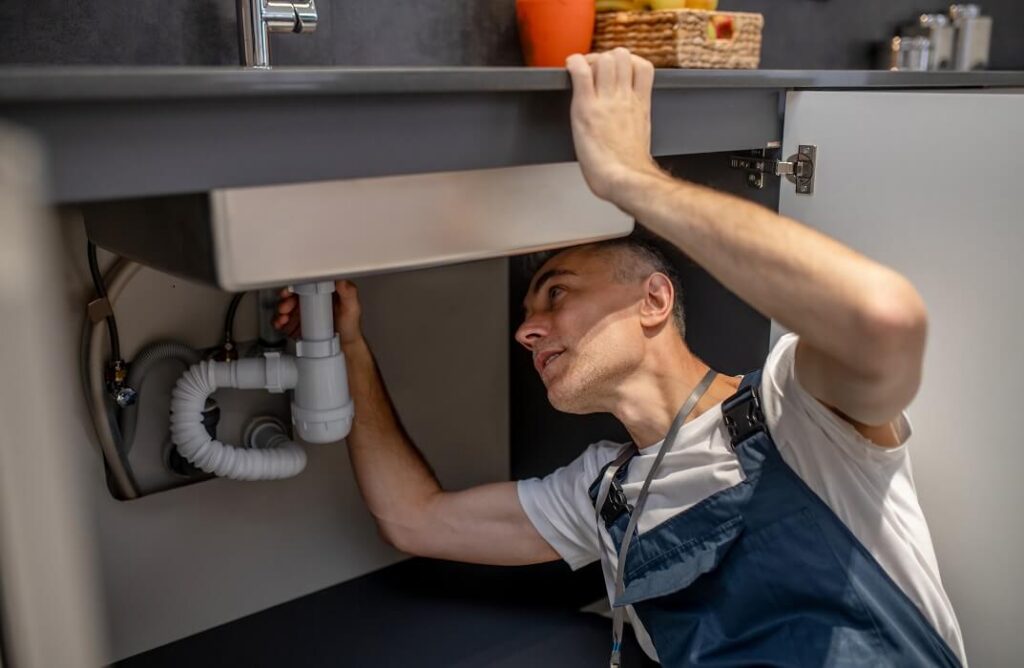
Understanding the route into plumbing is essential before committing to this career. In the UK, there isn’t just one way to become a plumber. Instead, several recognised pathways allow people to enter the trade at different life stages. Therefore, choosing the right route depends on your age, experience, and career goals.
Apprenticeship Route
An apprenticeship is one of the most common and practical ways to become a plumber. This route allows you to earn while you learn, which makes it especially appealing to school leavers and career switchers.
Key features of a plumbing apprenticeship include:
- Paid, hands-on work with an employer
- Classroom-based learning alongside on-site experience
- Gradual skill development under supervision
- Nationally recognised qualifications
As a result, apprenticeships offer strong real-world experience without large upfront training costs.
College and Vocational Training Route
Alternatively, some people choose to start their plumbing career through college or vocational training. This route suits learners who prefer structured classroom learning before entering the workplace.
This pathway often involves:
- Level-based plumbing courses
- Practical workshops and assessments
- Progression into work placements or apprenticeships
- A foundation for further qualifications
While this route may involve tuition fees, it provides a controlled learning environment and a solid technical base.
How Long It Takes to Qualify
The time it takes to qualify as a plumber varies depending on the route taken. However, most people reach employable competence within a few years.
General timelines include:
- Apprenticeships: typically 2–4 years
- College-based routes: 1–2 years before work placement
- Ongoing skill development after qualification
Importantly, learning does not stop after qualification. Most plumbers continue developing skills throughout their careers to stay current and competitive.
Plumbing Career Progression Explained
One reason plumbing remains attractive in the UK is the clear progression available over time. Unlike many roles with limited advancement, plumbing allows professionals to grow their skills, responsibilities, and income steadily. As experience increases, plumbers gain more control over the type of work they do and the direction of their careers.
Early in a plumbing career, the focus stays on building core competence. However, as confidence and technical ability improve, opportunities expand naturally. This progression often depends on additional training, on-the-job experience, and personal career goals.
Common progression stages include:
- Moving from trainee or apprentice roles into fully qualified plumbing positions
- Taking on more complex installations and repair work
- Supervising apprentices or junior plumbers
- Developing specialist skills in specific plumbing areas
- Transitioning into self-employment or contract work
With further experience, some plumbers choose to specialise or diversify their services. Others move into leadership or management roles, especially within larger companies or their own businesses. Importantly, this flexibility allows plumbers to adapt their careers as their priorities change over time.
Because progression is skill-based rather than purely academic, motivated plumbers often advance faster than expected. As a result, plumbing offers both stability and long-term professional growth for those willing to invest in their development.
Is Plumbing a Good Career for Career Changers?
Plumbing is not just a career for school leavers. In fact, many people enter the trade later in life after reassessing their priorities. Whether due to job insecurity, limited progression, or dissatisfaction with office work, career changers often look for roles that offer stability and practical value. Plumbing frequently meets those needs.
One advantage for career changers is that plumbing focuses on skills rather than age or academic history. Therefore, people in their 30s, 40s, or beyond can transition successfully with the right training and commitment. Additionally, mature learners often bring transferable skills such as time management, communication, and problem-solving, which are highly valuable on-site.
Reasons plumbing suits career changers include:
- Clear training routes designed for adults
- Paid apprenticeships that reduce financial pressure
- Strong demand for skilled workers across the UK
- Opportunity to become self-employed over time
- Work that feels tangible and purposeful
However, career changers should also consider the physical nature of the role and the adjustment to hands-on work. While the transition may feel challenging initially, many find the long-term rewards outweigh the short-term learning curve.
Ultimately, plumbing offers a realistic and achievable career reset for those willing to invest in learning a practical trade.
Plumbing vs Other Skilled Trades (Quick Comparison)
Many people considering plumbing also look at other skilled trades before deciding. This comparison matters because trades can appear similar on the surface, yet day-to-day work, earning patterns, and long-term flexibility often differ. Therefore, understanding these differences helps you choose a path that truly fits your goals.
Compared with other common UK trades, plumbing offers a strong balance of stability, progression, and independence.
How plumbing typically compares:
- Plumbing vs electrician:
Plumbing often involves more physical work, while electrical work can require more technical theory. However, plumbing jobs tend to be less affected by regulatory bottlenecks and remain consistently in demand. - Plumbing vs carpentry:
Carpentry can be more seasonal and project-based. In contrast, plumbing includes ongoing maintenance and emergency work, which provides steadier income. - Plumbing vs general construction:
Plumbing is more specialised, which usually leads to higher long-term earning potential and clearer progression routes. - Plumbing vs HVAC roles:
HVAC roles can overlap with plumbing, but plumbing alone offers broader entry routes and more frequent residential work opportunities.
As a result, plumbing appeals to people who want reliable demand, transferable skills, and the option to work independently without relying heavily on large construction projects.
Is Plumbing the Right Career for You? (Decision Checklist)
At this point, you’ve seen both the advantages and challenges of a plumbing career. However, the final decision depends on how well the role aligns with you. Instead of asking whether plumbing is good in general, it’s more helpful to ask whether it fits your skills, preferences, and long-term plans.
Plumbing may be a strong choice if you value practical work, job security, and steady progression. On the other hand, it may not suit everyone, especially those who prefer purely desk-based roles or fixed routines. Therefore, use the checklist below to assess your personal fit.
Plumbing is likely a good career for you if:
- You enjoy hands-on, practical work rather than office tasks
- You like solving real-world problems and seeing results quickly
- You are comfortable with physical activity during the workday
- You want a career with clear progression and earning growth
- You value job security in an essential, in-demand trade
- You like the idea of becoming self-employed in the future
You may want to reconsider plumbing if:
- You strongly dislike physical or manual work
- You need a strictly fixed 9–5 schedule
- You prefer theoretical or academic environments
- You are uncomfortable working in varied or unpredictable settings
Importantly, there is no right or wrong answer. A good career is one that supports your lifestyle, financial goals, and personal strengths. Plumbing simply offers a practical, flexible, and resilient option for those who align with its demands.
Frequently Asked Questions About Plumbing Careers
Plumbing is practical rather than purely academic. Therefore, many learners find it easier than classroom-heavy careers. While there is a learning curve, especially at the start, structured training and hands-on experience make the skills manageable over time.
Yes, plumbing involves physical work. However, fitness improves with experience, and many plumbers adapt their working methods to reduce strain. Importantly, not every task involves heavy lifting every day.
Hours can vary. Emergency call-outs and busy periods may require flexibility. However, experienced and self-employed plumbers often gain more control over their schedules.
Plumbing is considered future-resistant. Homes and buildings will always need water, heating, and drainage systems. As a result, demand for skilled plumbers remains consistent.
Basic maths is useful for measurements and calculations. However, advanced maths is rarely required, and most skills develop naturally through training and practice.
Final Verdict – Is Plumbing a Good Career in the UK?
Plumbing is a strong career choice for many people in the UK. It offers job security, clear progression, and practical value in an essential trade. While it involves physical work and responsibility, it also provides flexibility, steady earnings growth, and long-term demand.
Importantly, plumbing is not about quick rewards. Instead, it suits people willing to learn, adapt, and build skills over time. For those who prefer hands-on work, want an alternative to academic routes, or seek a reliable career with real-world impact, plumbing can be a rewarding and sustainable option.
If you value stability, independence, and practical problem-solving, plumbing is not just a good career — it can be the right one.


0 responses on "Is Plumbing a Good Career in the UK? Salary, Pros & Path"