


Popular Courses

Brand
Awarding body image

Computer Simulation of Realistic Mathematical Models – Online Course

Overview of Computer Simulation of Realistic Mathematical Models

Recent industry reports suggest that over 80% of organisations now rely on data-driven decision-making, while the global demand for data analysis, simulation modelling, and computational modelling skills continues to grow rapidly across sectors like healthcare, engineering, and business. Therefore, learning computer simulation of mathematical models is no longer limited to researchers—it has become an essential skill for professionals who want to analyse complex systems and make informed decisions. As industries increasingly adopt predictive modelling and simulation techniques, this skill can significantly enhance your career potential.

Moreover, this simulation modelling course online is designed to help you understand how real-world systems can be represented using mathematical models and analysed through simulation. You will learn how to transform data into meaningful insights, explore statistical modelling techniques, and build realistic models such as prey-predator systems and epidemic simulations. In addition, the course introduces computational modelling tools and open-source software, allowing you to apply concepts in practical and engaging ways. As a result, you can gradually develop strong analytical thinking and problem-solving abilities.

Furthermore, this mathematical modelling course UK simplifies complex concepts into clear, step-by-step lessons so that learners from any background can follow easily. Whether you are a beginner or looking to upgrade your skills, this computer simulation training provides a structured pathway to mastering modelling techniques. Ultimately, you will gain the confidence to create, analyse, and present simulation models effectively, helping you stand out in data-driven roles and modern professional environments.

Exclusive Course Glimpse

What You Will Learn in Computer Simulation of Mathematical Models

This simulation modelling course online is carefully structured to develop practical and job-relevant modelling skills step by step. Moreover, it builds a strong foundation first, and then gradually introduces advanced simulation techniques. As a result, you can learn with clarity and confidence, even as a beginner.

By the end of this course, you will be able to:

  • Understand mathematical modelling fundamentals: Learn how real-world systems are represented using models
  • Apply simulation techniques: Explore how simulation models predict system behaviour
  • Analyse statistical patterns: Interpret data using modelling and simulation tools
  • Build simulation models: Create prey-predator and epidemic models step by step
  • Use computational tools: Work with open-source simulation software and programming tools
  • Evaluate model outcomes: Understand how parameters affect simulation results
  • Develop problem-solving skills: Apply modelling techniques to real-world scenarios
  • Present simulation results: Communicate findings effectively for business or research

In addition, you will improve your analytical thinking while learning how to model complex systems more effectively. Furthermore, you will gain the ability to combine data, mathematics, and simulation into one structured approach. Therefore, you will be able to create meaningful models that support decision-making and forecasting.

Why Choose Us?​

Many learners search for the best simulation modelling course UK, but not all courses provide practical and beginner-friendly training. Therefore, this course is designed to simplify complex modelling concepts while maintaining real-world relevance.

In addition, this course offers key benefits:

  • Affordable Learning: Structured lessons for smooth progress
  • CPD-Certified: Strengthen your CV with recognised credentials
  • Lifetime Access: Learn anytime at your own pace
  • Instant Certificate: Receive certification upon completion
  • Flexible Scheduling: Study around your work or studies
  • Transparent Pricing: No hidden costs
  • Quick Assessments: Monitor your progress easily
  • 24/7 Support: Assistance via chat or email

Thus, this online mathematical modelling course supports both skill development and career growth.

Course Curriculum

Computer Simulation of Mathematical Models Course –

Introduction – Overview of course structure and simulation concepts
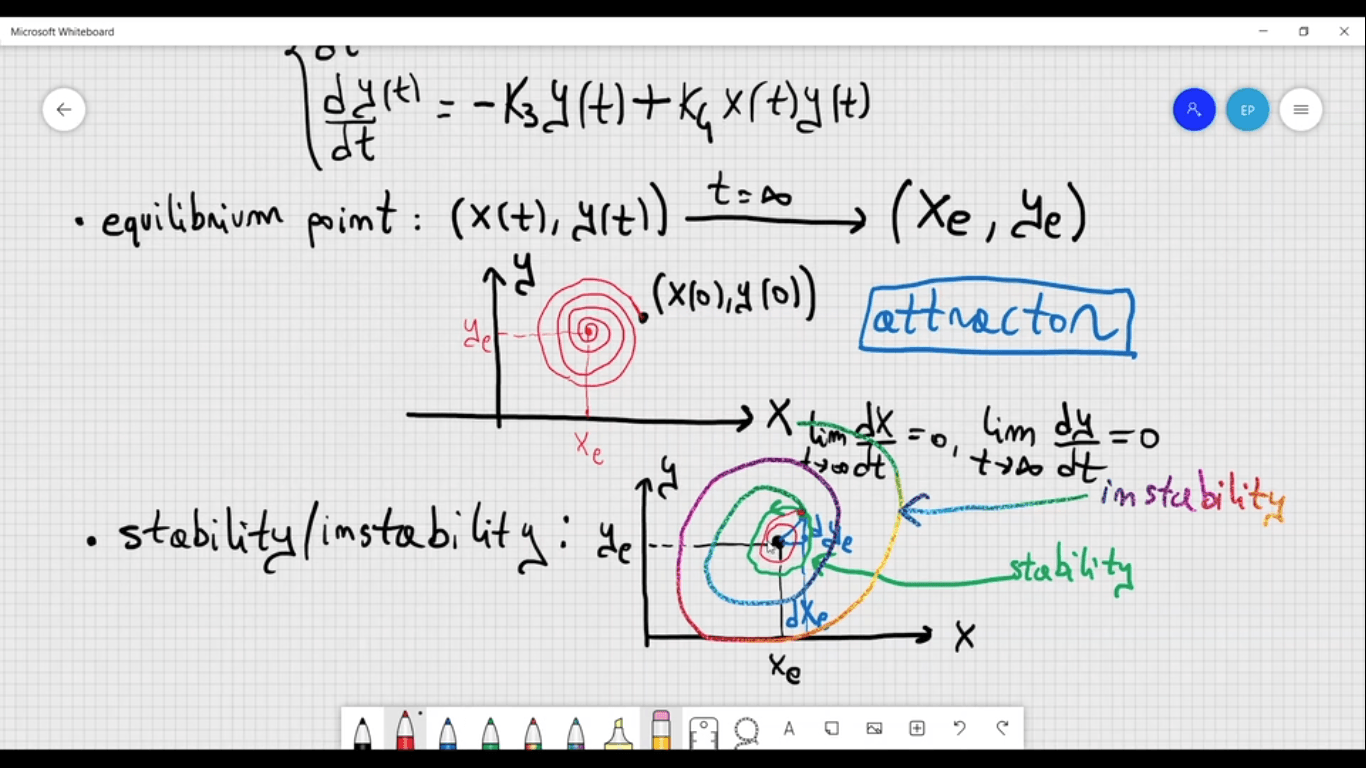
Prey-Predator Model – Understand interaction models, equilibrium points, and stability analysis
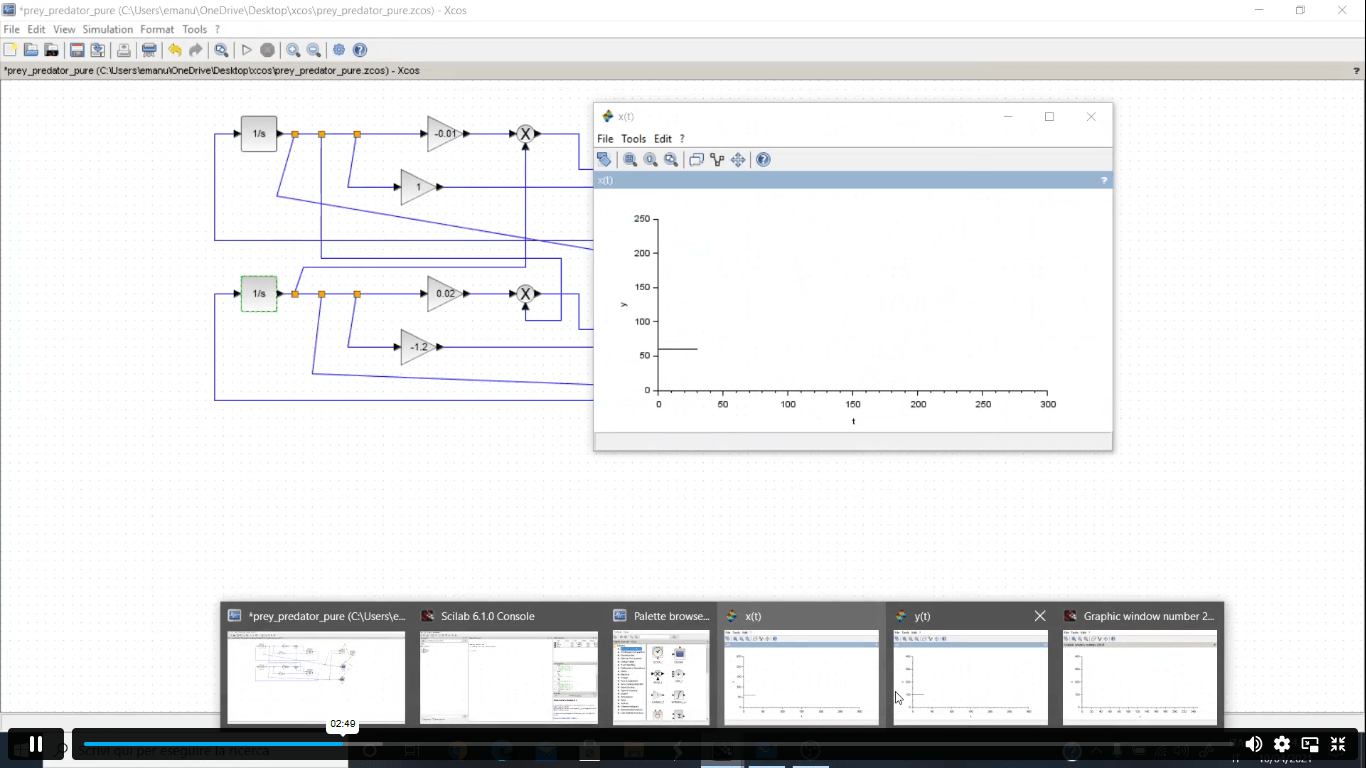
Simulation with Software – Learn Scilab, model construction, parameter influence, and logistic modelling
Epidemic Modelling – Explore simulation of disease spread and real-world applications
Assignment – Complete assessment to validate your modelling knowledge

Certificate of Achievement

Nextgen Certificate

After completing this simulation modelling course online UK, you will receive a CPD-accredited certificate to confirm your learning professionally.

You can typically choose:

  • PDF Certificate 
  • Hardcopy Certificate 

Moreover, certification helps learners:

📄 Strengthen your CV: Add a recognised modelling certification
🎓 Demonstrate skills: Showcase your simulation and analytical abilities
📈 Boost employability: Stand out in data, research, and technical roles
Prove learning: Validate your professional development

Therefore, if you are looking for a certified mathematical modelling course, this is a strong choice.

Who Is This Course For?​

This computer simulation of mathematical models course is suitable for anyone interested in modelling, data analysis, and simulation techniques. Moreover, it is designed for both beginners and professionals who want to develop practical analytical skills.

In addition, this course is ideal for:

  • Students: Build strong foundations in mathematical modelling and simulation
  • Graduates: Improve employability with job-ready analytical skills
  • Job seekers: Gain practical modelling knowledge for career opportunities
  • Professionals: Enhance data analysis and simulation expertise
  • Researchers: Apply modelling techniques in real-world scenarios
  • Career changers: Enter data, research, or technical roles confidently

Furthermore, the course is flexible and easy to follow, so learners can progress at their own pace. Therefore, you can balance your learning with work or studies easily.

Requirements​

There are no formal requirements for this simulation modelling course UK.

However, learners should have:

  • Basic English skills: To understand course materials
  • Device access: Computer, tablet, or smartphone
  • Internet connection: For online learning

Because this course is fully online, you can learn anytime and revisit lessons whenever needed.

Career Path of Computer Simulation of Mathematical Models Course

simulation engineer data analyst computational scientist career path

Completing this mathematical modelling course can open doors to multiple data and technical careers.

Common career paths include:

Simulation Engineer: £30,000 to £70,000
Develop and analyse simulation models for systems

Data Analyst: £28,000 to £60,000
Interpret data using modelling and statistical tools

Research Analyst: £30,000 to £65,000
Apply modelling techniques for research and forecasting

Computational Scientist: £35,000 to £80,000
Use simulation and computational models in science

Operations Analyst: £32,000 to £70,000
Optimise processes using modelling and simulations

Data Scientist: £40,000 to £100,000+
Build predictive models and advanced simulations

However, salaries may vary depending on experience, industry, and location.

Order Your Certificate

To order your Certificate, we kindly invite you to visit the following link

Frequently Asked Questions -

Mathematical simulation models are commonly divided into deterministic, stochastic, and hybrid models. Moreover, deterministic models produce fixed outcomes based on inputs, while stochastic models include randomness and probability. However, hybrid models combine both approaches, allowing more realistic simulation of complex systems.

Popular tools include MATLAB, Python, and Scilab for simulation modelling. Moreover, open-source software like Scilab is widely used for beginners due to its accessibility. So, the best software depends on your project needs and experience level.

The five stages typically include problem definition, model design, data collection, simulation execution, and result analysis. Each stage plays a critical role in building accurate and useful models. So, following these steps ensures reliable simulation outcomes.

Yes, simulation modelling skills are highly valuable in fields like data science, engineering, and research. Even, many organisations use simulation techniques for forecasting and decision-making. Therefore, learning these skills can significantly improve career opportunities.

Yes, beginners can easily learn simulation modelling through structured online courses. This course simplifies complex topics and provides step-by-step guidance. As a result, learners can build skills gradually without prior experience.

Course Curriculum

Section 01: Introduction
Introduction 00:04:00
Section 02: Prey-Predator Model
Pure prey-predator model 00:06:00
Equilibrium points and their stability 00:05:00
Equilibrium points in the prey-predator model 00:03:00
Section 03: Constructing the Model with Open-Source Software
Introduction to Scilab 00:03:00
Constructing the model with Scilab part 1 00:09:00
Constructing the model with Scilab part 2 00:18:00
How parameters affect the output of the model 00:09:00
Influence of fishing on the model 00:11:00
Addition of logistic terms to the model 00:13:00
Section 04: Evolution of Epidemics
Model on the evolution of epidemics 00:16:00
Order Your Certificate
Order Your Certificate 00:00:00

Related Courses

A product of

© 2026 NextGen Learning. All rights reserved

Select your currency
GBP Pound sterling