


Popular Courses

Brand
Awarding body image

Overview of Debt Management Course: Understanding the Legal Framework

This Debt Management Course develops the practical awareness required to examine financial commitments logically and respond to debt problems responsibly. Learners will explore how income, expenditure, interest, repayment terms and priority obligations affect financial decisions. Moreover, the course explains how budgeting and debt assessment can reveal affordable repayment options. You will also examine the principles of debt counselling, creditor communication and insolvency. Consequently, learners can approach financial challenges with greater confidence while recognising when a situation requires an authorised adviser, insolvency practitioner or legal professional.

By completing this course, you will be able to:

  • Explain the essential principles of debt management
  • Distinguish between short-term and long-term borrowing
  • Identify debts, balances, interest rates and repayment terms
  • Organise financial information for a debt assessment
  • Calculate available income after essential expenditure
  • Create a practical and sustainable household budget
  • Understand how a debt management plan operates
  • Compare responsible and unsuitable uses of borrowing
  • Communicate professionally with creditors and collectors
  • Recognise common strategies for preventing debt problems
  • Explain the basic features of bankruptcy and insolvency
  • Identify when regulated or specialist advice is necessary

Exclusive Course Glimpse

Learning Outcomes

After completing the training, learners will confidently understand how to:

  • Categorise financial commitments and repayment obligations
  • Review income and spending before proposing repayments
  • Identify warning signs of increasing financial difficulty
  • Prioritise essential bills within a realistic budget
  • Explain the difference between informal and formal debt solutions
  • Recognise professional boundaries when discussing individual debts
  • Maintain clear records of creditor communication
  • Locate appropriate sources of free and confidential debt advice

Why Choose This Debt Management Course?

This course offers structured learning for anyone seeking stronger knowledge of debt, personal finance and financial support procedures.

  • Practical financial learning: Apply budgeting and assessment principles
  • Broad subject coverage: Study debt prevention, collection and insolvency
  • Legal awareness: Explore regulations affecting debt-related decisions
  • Career development: Build transferable finance and communication skills
  • Flexible online study: Learn around work and personal commitments
  • Step-by-step modules: Progress from basic debt concepts to legal issues
  • Responsible approach: Understand when professional advice is required
  • UK relevance: Explore concepts connected with UK debt management

A debt management plan is generally an arrangement for repaying creditors at an affordable rate. However, it is normally intended for eligible non-priority debts, and creditors are not automatically required to accept or freeze interest.

Certificate of Achievement

  • CPD Accredited Certificate
  • Digital Certificate
  • Professional Recognition
  • CV & LinkedIn Enhancement
  • Proof of Professional Skills
Nextgen Certificate

Who Is This Course For?​

  • Beginners improving their personal finance knowledge
  • Finance and accounts administration staff
  • Credit control and collections employees
  • Customer service professionals handling payment enquiries
  • Support workers assisting people with financial difficulties
  • Business owners managing credit and cash flow
  • Career changers exploring financial services
  • Anyone interested in budgeting and responsible borrowing

Career Opportunities in the UK

This Debt Management Course can support professional development in credit control, financial administration and customer-support roles. However, giving personalised advice about how an individual should repay regulated credit can constitute regulated debt counselling, so appropriate FCA authorisation, supervision or exemptions may be required.

Money Adviser

Money advisers help clients organise bills, review income and expenditure and understand possible financial options. They may work for charities, councils or advice organisations and must communicate complex information sensitively.

Average UK Salary: £24,000–£32,000 per year.

Credit Controller

Credit controllers monitor customer accounts and recover overdue payments for businesses. Their duties include issuing reminders, negotiating payment dates, maintaining records and escalating unresolved accounts.

Average UK Salary: £21,000–£32,000 per year.

Debt Collection Agent

Debt collection agents contact customers regarding unpaid accounts and agree suitable next steps within organisational and regulatory procedures. Strong communication, accurate record-keeping and fair customer treatment are important.

Average UK Salary: £21,000–£32,000 per year.

Financial Services Customer Adviser

These advisers support customers with accounts, payments and financial-service enquiries. Debt management knowledge can help them recognise financial difficulty and refer customers to the correct internal or external support.

Average UK Salary: £25,000–£31,000 per year.

Accounting Technician

Accounting technicians support financial operations by recording transactions, balancing payments and preparing financial information. Budgeting and debt-awareness skills can be useful when monitoring receivables and cash flow.

Average UK Salary: £24,000–£35,000 per year.

Debt Support Officer

Debt support officers may help advisers gather financial information, prepare case records and communicate with clients or creditors. They work within defined procedures and refer complex or regulated matters to appropriately authorised specialists.

Average UK Salary: £22,000–£30,000 per year.

Insolvency Administrator

Insolvency administrators support casework involving individuals or businesses unable to meet financial obligations. They may prepare documents, communicate with creditors and assist licensed insolvency practitioners.

Average UK Salary: £23,000–£35,000 per year.

Entry Requirements

  • No formal qualifications are required
  • Suitable for beginners and professionals
  • Basic written English and numeracy are recommended
  • Internet access and a suitable device are required
  • An interest in finance, budgeting or customer support is helpful
  • This course does not authorise learners to provide regulated debt advice

Order Your Certificate

To order your Certificate, we kindly invite you to visit the following link

Frequently Asked Questions -

A Debt Management Course explains how debts can be identified, assessed and managed through budgeting and repayment planning. This programme also covers creditor communication, debt counselling and insolvency awareness. It is educational training rather than personalised financial advice.

A debt management plan is an arrangement under which affordable payments are distributed among participating creditors. It is usually used for qualifying unsecured, non-priority debts. Because circumstances differ, learners should seek qualified advice before choosing one.

Yes, the curriculum starts with introductory debt-management concepts. It then progresses through debt assessment, budgeting, collection and insolvency. Therefore, no previous finance qualification is required.

Yes, the curriculum includes bankruptcy, insolvency, laws and regulations. However, legal procedures and available debt solutions differ across England and Wales, Scotland and Northern Ireland. Learners should always consult current official guidance for their jurisdiction.

No, the course provides introductory professional-development knowledge. Personalised debt counselling may be a regulated activity, and employers can require additional qualifications, authorisation and supervised experience.

Yes, a complete module focuses on budget building. You will explore how income and essential expenditure affect repayment capacity. Moreover, budgeting can help identify financial pressure before it becomes more serious.

Yes, all modules can be studied online using an internet-connected device. The supplied curriculum contains approximately five hours and twelve minutes of learning material. Consequently, learners can progress at a pace suited to their schedule.

MoneyHelper provides a locator for free, confidential debt-advice services across the UK. The Government also recommends speaking with a trained adviser before selecting a formal or informal debt solution.

Course Curriculum

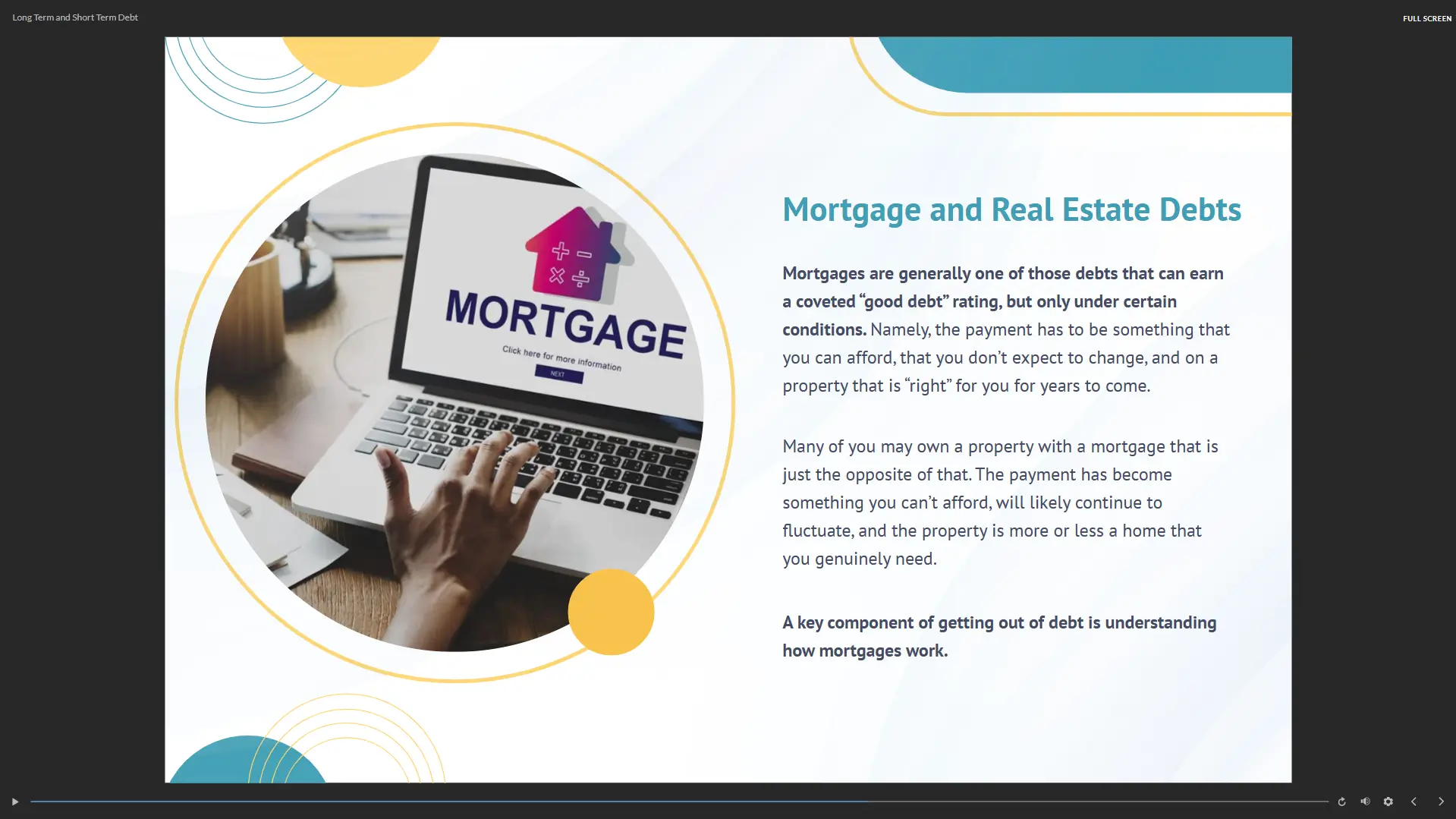
Module 01: Introduction to Debt Management
Introduction to Debt Management 00:22:00
Module 02: Long Term and Short Term Debt
Long Term and Short Term Debt 00:20:00
Module 03: Identifying Your Debt
Identifying Your Debt 00:29:00
Module 04: Debt Management Plan
Debt Management Plan 00:30:00
Module 05: Debt Assessment
Debt Assessment 00:25:00
Module 06: Debt Financing
Debt Financing 00:18:00
Module 07: Building Budget
Building Budget 00:23:00
Module 08: Debt Counselling
Debt Counselling 00:18:00
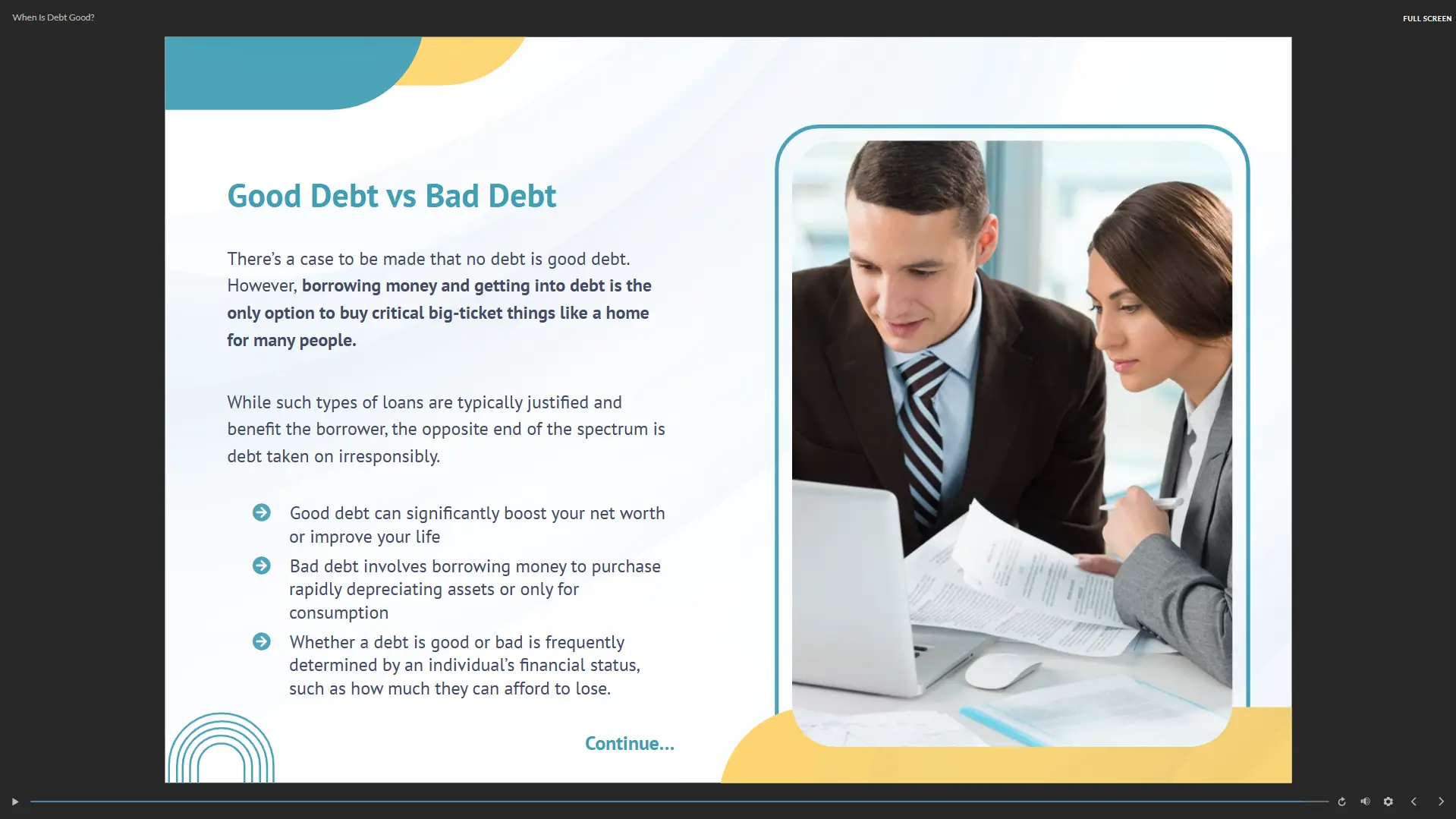
Module 09: When Is Debt Good?
When Is Debt Good? 00:19:00
Module 10: Avoiding Debt Problems
Avoiding Debt Problems 00:19:00
Module 11: How to Handle Debt Collectors
How to Handle Debt Collectors 00:16:00
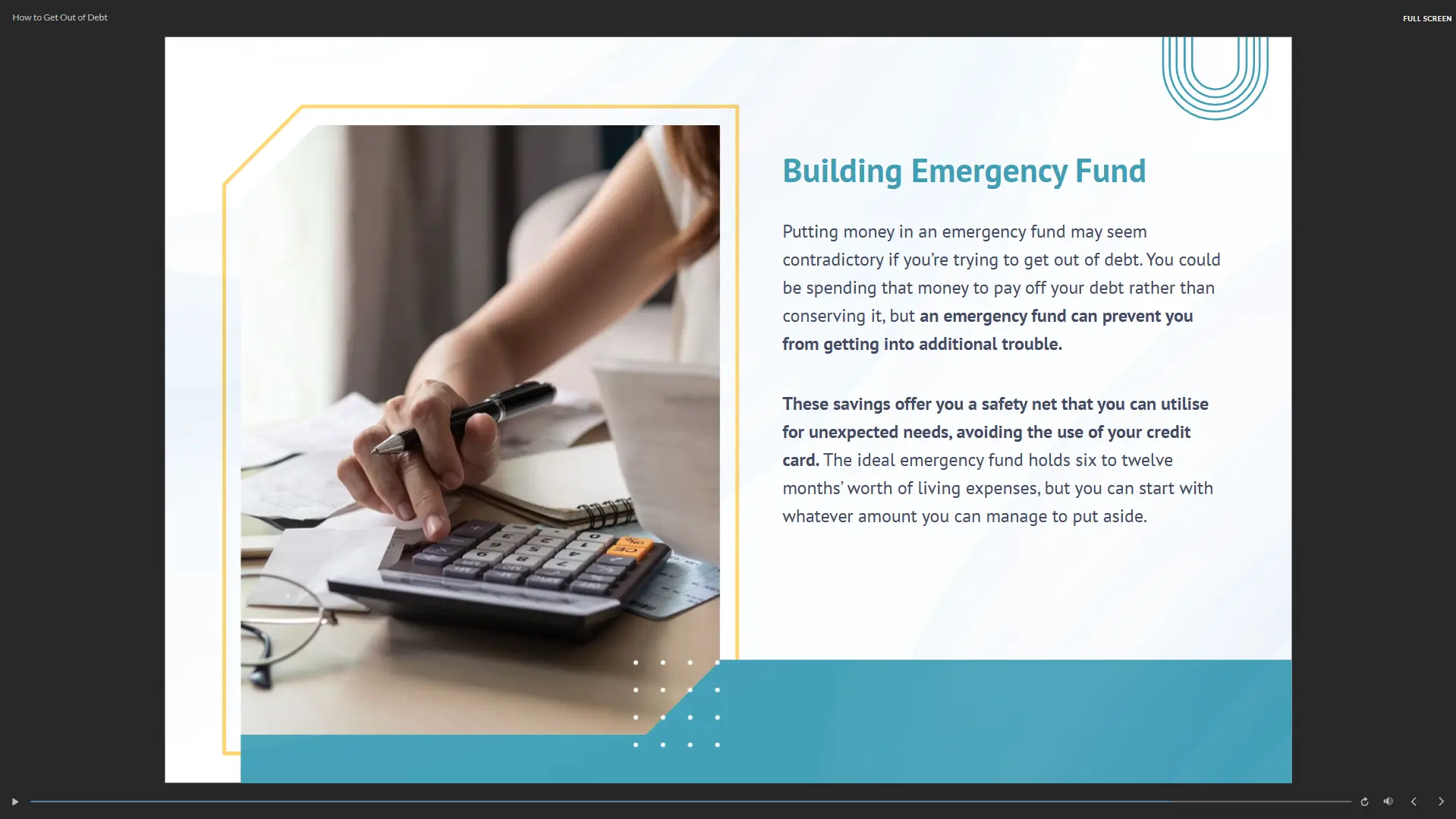
Module 12: How to Get Out of Debt
How to Get Out of Debt 00:18:00
Module 13: Dealing with Bankruptcy and Insolvency
Dealing with Bankruptcy and Insolvency 00:32:00
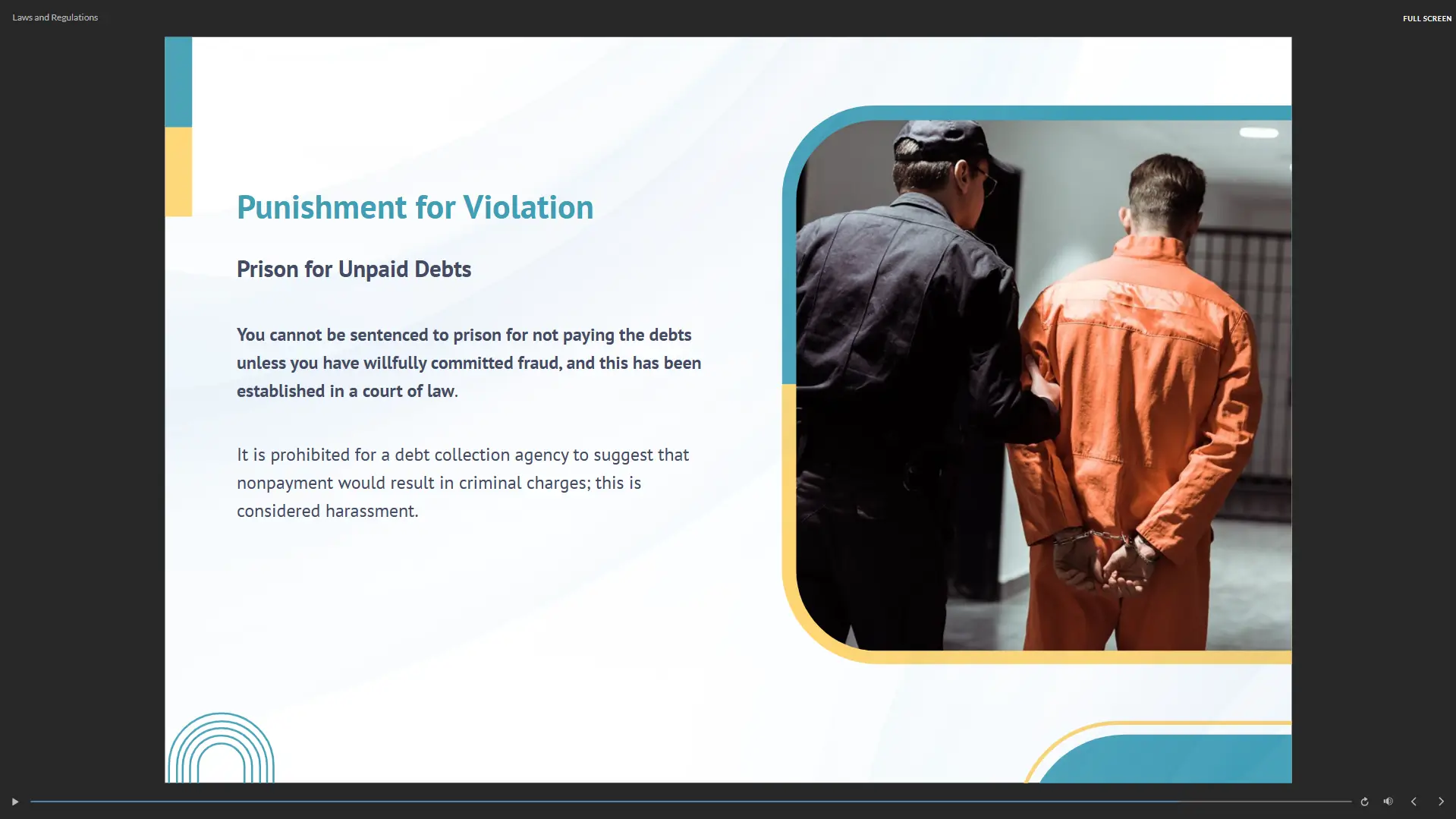
Module 14: Laws and Regulations
Laws and Regulations 00:23:00
Order Your Certificate
Order Your Certificate 00:00:00

Related Courses

A product of

© 2026 NextGen Learning. All rights reserved

Home Search Cart Offers