Entry Level
Entry Level qualifications are designed to provide learners with fundamental skills and knowledge. These qualifications are structured across three sub-levels: Entry Level 1, Entry Level 2, and Entry Level 3, with Entry Level 3 representing the most advanced. They focus on developing basic abilities that lay the groundwork for further learning and personal development.
Entry Level qualifications:
- Entry Level Certificate (ELC)
- Entry Level Diploma
- Entry Level English for Speakers of Other Languages (ESOL)
- Entry Level Essential Skills
- Entry Level Functional Skills
- Skills for Life
Level 1
Level 1 qualifications offer an introduction to more formalised education and structured learning. These qualifications are designed to provide learners with foundational knowledge and practical skills, setting the stage for progression to more advanced studies. Level 1 helps learners build essential academic and vocational skills for everyday tasks and workplace settings.
Level 1 qualifications:
- First Certificate
- GCSE – Grades 3, 2, 1 or Grades D, E, F, G
- Level 1 Award
- Level 1 Certificate
- Level 1 Diploma
- Level 1 ESOL
- Level 1 Essential Skills
- Level 1 Functional Skills
- Level 1 National Vocational Qualification (NVQ)
- Music Grades 1, 2 and 3
Level 2
Level 2 qualifications focus on expanding the knowledge and skills gained at Level 1. These qualifications are typically equivalent to the end of secondary education and provide learners with a deeper understanding of their chosen subjects. Level 2 qualifications enhance both theoretical knowledge and practical application, preparing learners for either further study or entry into the workforce.
Level 2 qualifications:
- CSE – Grade 1
- GCSE – Grades 9, 8, 7, 6, 5, 4 or Grades A*, A, B, C
- Intermediate Apprenticeship
- Level 2 Award
- Level 2 Certificate
- Level 2 Diploma
- Level 2 ESOL
- Level 2 Essential Skills
- Level 2 Functional Skills
- Level 2 National Certificate
- Level 2 National Diploma
- Level 2 NVQ
- Music Grades 4 and 5
- O Level – Grade A, B or C
Level 3
Level 3 qualifications are more advanced and focus on preparing learners for higher education or highly skilled careers. These qualifications offer a greater level of academic or technical learning and are often required for students who wish to pursue undergraduate degrees or apprenticeships. Level 3 qualifications involve more complex topics and specialised skills, making them ideal for learners aiming for professional roles or further academic development.
Level 3 qualifications:
- A Level
- Access to Higher Education Diploma
- Advanced Apprenticeship
- Applied General
- AS Level
- International Baccalaureate Diploma
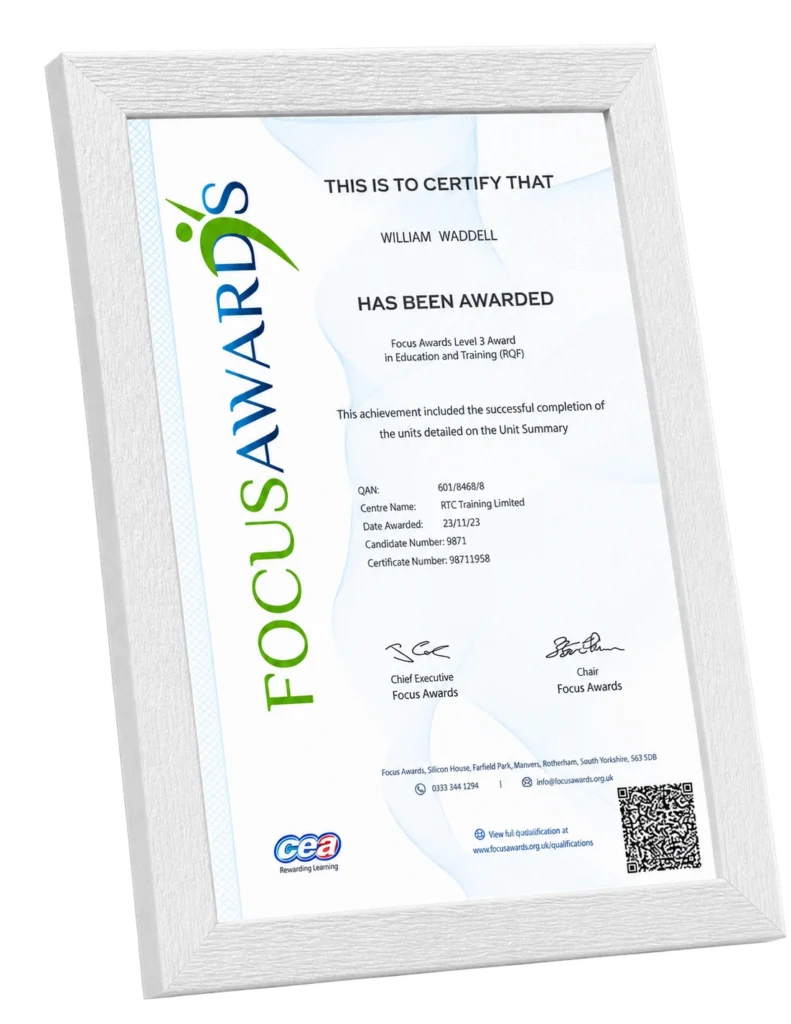
- Level 3 Award
- Level 3 Certificate
- Level 3 Diploma
- Level 3 ESOL
- Level 3 National Certificate
- Level 3 National Diploma
- Level 3 NVQ
- Music Grades 6, 7 and 8
- T Level
- Tech Leve
Level 4
Level 4 qualifications mark the beginning of higher education and focus on developing professional expertise and technical skills. These qualifications are often linked to specific career paths, providing learners with in-depth knowledge of their chosen field. Level 4 is a stepping stone into more advanced academic study and professional practice, often leading to further qualifications such as Higher National Certificates (HNCs) or certificates of higher education.
Level 4 qualifications:
- Certificate of Higher Education (CertHE)
- Higher Apprenticeship
- Higher National Certificate (HNC)
- Level 4 Award
- Level 4 Certificate
- Level 4 Diploma
- Level 4 NVQ
Level 5
Level 5 qualifications represent a deeper level of academic and technical study, often offering specialisation in a specific area. These qualifications build on the skills and knowledge gained at Level 4 and typically lead to professional qualifications, further academic progression, or career advancement. Level 5 is where learners begin to acquire expertise in a particular field, either through qualifications such as Foundation Degrees or Higher National Diplomas (HNDs).
Level 5 qualifications:
- Diploma of Higher Education (DipHE)
- Foundation Degree
- Higher National Diploma (HND)
- Level 5 Award
- Level 5 Certificate
- Level 5 Diploma
- Level 5 NVQ
Level 6
Level 6 qualifications are typically undergraduate qualifications, such as Bachelor’s Degrees, and provide learners with comprehensive, in-depth knowledge of their chosen subject. These qualifications prepare students for professional work or further academic study, ensuring they acquire the skills and theoretical understanding required for high-level roles. Level 6 signifies readiness for higher levels of employment or postgraduate education.
Level 6 qualifications:
- Degree Apprenticeship
- Degree with Honours – For Example Bachelor of the Arts (BA) Hons, Bachelor of Science (BSc) Hons
- Graduate Diploma
- Level 6 Award
- Level 6 Certificate
- Level 6 Diploma
- Level 6 NVQ
- Ordinary Degree Without Honours
Level 7
Level 7 qualifications represent postgraduate-level education, designed for learners seeking to deepen their knowledge and enhance their professional skills. These qualifications include Master’s Degrees, Postgraduate Certificates, and Diplomas, focusing on advanced, specialised knowledge in a particular field. Level 7 is ideal for learners wishing to advance their careers, enter research positions, or engage in high-level professional practice.
Level 7 qualifications:
- Integrated Master’s Degree, For Example Master of Engineering (MEng)
- Level 7 Award
- Level 7 Certificate
- Level 7 Diploma
- Level 7 NVQ
- Master’s Degree, For Example Master of Arts (MA), Master of Science (MSc)
- Postgraduate Certificate
- Postgraduate Certificate in Education (PGCE)
- Postgraduate Diploma
Level 8
Level 8 qualifications are the highest level of academic and professional achievement, focusing on the most advanced research and expertise in a specific field. Typically associated with doctoral-level qualifications, such as PhDs, Level 8 qualifications represent the pinnacle of academic study and professional development. These qualifications prepare learners for leadership roles in research, academia, and specialised fields.
Level 8 qualifications:
- Doctorate, For Example Doctor of Philosophy (PhD or DPhil)
- Level 8 Award
- Level 8 Certificate
- Level 8 Diploma