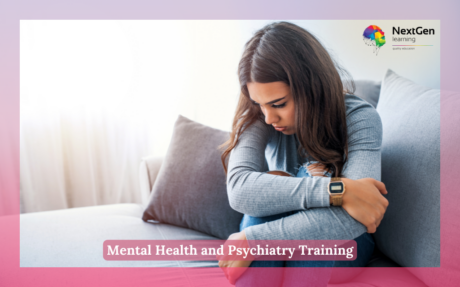

Common signs include sleep problems, irritability, frequent worries, avoidance, trouble concentrating, and physical symptoms like stomach aches.

Overview of Childhood Anxiety Disorders Course
Children and young people often feel worried from time to time, especially when life changes. However, when worry becomes persistent and starts affecting school, sleep, friendships, or daily routines, it may point to childhood anxiety disorders rather than everyday stress.
This Anxiety Disorders in Children CPD training is built to help you understand pediatric anxiety disorders, so you can recognise symptoms early and respond in a calm, supportive, and practical way. Whether you are a parent, teacher, TA, youth worker, support worker, or an aspiring mental health professional, this course supports you with clear, real-world strategies.
You will explore symptoms, diagnosis, screening, and treatment, and you will also learn evidence-based approaches such as CBT for child anxiety and when medicines like SSRIs may be considered as part of professional care. In addition, you’ll look at how anxiety can show up differently across ages and settings, so you can support children at home and in school with more confidence.
Exclusive Course Glimpse
What you’ll learn in this childhood anxiety disorders course
This course covers child and adolescent anxiety disorders in a structured and easy-to-follow way. By the end, you will be able to:
- Explain what anxiety is and how the “fight or flight” response can become overactive
- Identify common childhood anxiety disorders, including:
- Generalised Anxiety Disorder (GAD)
- Separation Anxiety Disorder
- Social Anxiety Disorder (social phobia)
- Specific phobias
- Panic disorder
- Selective mutism (often linked to anxiety)
- Recognise key symptoms of anxiety in children, including emotional, behavioural, and physical signs (e.g., sleep issues, irritability, tummy aches, avoidance)
- Differentiate normal developmental fears from signs that anxiety may be a disorder (duration, intensity, and impact on daily life)
- Understand causes and risk factors, including family history, stressful events, trauma, and comorbidity (e.g., ADHD/autism patterns may increase vulnerability)
- Understand screening and early identification, including why screening is recommended for ages 8 to 18 in relevant settings
- Describe evidence-based treatment options, including cognitive behavioural therapy (CBT) and the role of medication in some cases
- Apply practical support strategies at home and in school, including communication tools and coping skills
- Support children through change and loss, including age-appropriate bereavement support and emotional resilience building
Who this course is for
This course is ideal if you work with, care for, or support children and young people, including:
- Parents and guardians who want to understand signs and support at home
- Teachers, teaching assistants, and SEN staff who need classroom-ready strategies
- Youth workers and support staff who want stronger emotional wellbeing skills
- Healthcare and social care professionals who want CPD in child mental health awareness
- Psychology, education, and counselling students building core knowledge
- Career changers moving into child wellbeing and support roles
No prior qualifications are required — just a genuine interest in supporting children and promoting emotional resilience.
Certificate of Achievement
Upon successful completion, you will earn a CPD-accredited certificate, recognised in the UK and internationally. Therefore, this certification demonstrates your understanding of childhood anxiety and your commitment to safeguarding and mental wellbeing.
- PDF Certificate – £4.99
- Hardcopy Certificate – £9.99
Why choose this Anxiety Disorders in Children CPD training
- Affordable Learning – High-quality mental health training at an accessible price.
- CPD-Certified – Strengthen your CV with an internationally recognised credential.
- Lifetime Access – Study anytime, anywhere at your own pace.
- Flexible Learning – No deadlines or rigid schedules.
- Practical & Relevant – Real-world insights tailored to modern challenges.
- Professional Development – Ideal for those working with children, education, or family services.
- Transparent Pricing: Clear costs, zero hidden fees.
- 24/7 Support: Guidance anytime via chat or email.
Entry requirements & access
To enrol, you need:
- Basic English understanding
- Basic literacy and numeracy
- A phone/tablet/laptop and stable internet
Because the course is 100% online, you can study from anywhere, and you can pause and continue whenever it suits you.
Career & professional development benefits in Anxiety Disorders in Children Course
Understanding anxiety disorders in children and adolescents is valuable across education, health, and social care. Completing this pediatric anxiety disorders training can help you:
- Improve safeguarding awareness, so you recognise early warning signs
- Strengthen communication, therefore you can respond with empathy and clarity
- Build confidence, because you understand structured support approaches
- Boost employability, since child mental health awareness is widely needed
Common pathways where this knowledge is useful:
Teaching Assistant / Learning Support Assistant –
Support children with emotional, behavioural, and learning needs, including anxiety in school settings.
Indicative UK salary range: £19,000 – £26,000 per year.
Youth Support Worker –
Help young people manage emotional and social challenges through structured support and mentoring.
Indicative UK salary range: £22,000 – £30,000 per year.
Family Support Worker –
Work with families to address anxiety, wellbeing concerns, and safeguarding needs.
Indicative UK salary range: £20,000 – £32,000 per year.
Childcare Practitioner –
Provide nurturing care and emotional support in early years or childcare settings.
Indicative UK salary range: £19,000 – £26,000 per year.
Mental Health Support Worker (Entry Level) –
Assist in delivering mental health and emotional wellbeing support under professional supervision.
Indicative UK salary range: £21,000 – £28,000 per year.
Note: Salaries vary significantly by organisation, region, contract type (full-time/term-time/part-time) and level of experience.
Order Your Certificate
To order your Certificate, we kindly invite you to visit the following link
FAQs About Anxiety Disorders in Children
Common types include GAD, separation anxiety, social anxiety, specific phobias, panic disorder, and selective mutism.
Normal worry comes and goes, and it usually doesn’t disrupt daily life. An anxiety disorder is more intense, lasts longer, and interferes with routine activities (school, sleep, social life).
If anxiety is persistent, getting worse, self-help is not working, or it is affecting school, home life, or friendships, professional support is recommended.
CBT is widely used as a first-line talking therapy, and it helps children change unhelpful thoughts and avoidance behaviours while building coping skills.
Support often includes calm reassurance, predictable routines, step-by-step exposure to feared situations (with support), and consistent communication between home and school.
Course Curriculum
| Anxiety Disorders in Children | |||
| Module 01. Anxiety and It’s Causes | 00:22:00 | ||
| Module 02. Anxiety Disorders | 00:23:00 | ||
| Module 03. Anxiety in Children | 00:13:00 | ||
| Module 04. Anxiety in Young People | 00:12:00 | ||
| Module 05. Impact of Covid 19 on Children and Women and Young People | 00:21:00 | ||
| Module 06. Supporting Children During Covid 19 | 00:26:00 | ||
| Module 07. Supporting Young People During Covid 19 | 00:16:00 | ||
| Module 08. Managing Anxiety in Families with Children and Youth During the COVID-19 Outbreak | 00:16:00 | ||
| Module 09. Treatment of Anxiety Disorder | 00:12:00 | ||
| Module 10. Bereavement Guide During COVID 19 | 00:17:00 | ||
| Mock Exam | |||
| Mock Exam – Anxiety Disorders in Children | 00:20:00 | ||
| Final Exam | |||
| Final Exam – Anxiety Disorders in Children | 00:20:00 | ||
Related Courses
Designated Safeguarding Lead (DSL) Training
Mental Health Act - QLS Level 3
Laughter Therapy


All Courses for £49