


Popular Courses

Brand Brand Brand Brand

Mastering PAT Testing: A Complete Guide to PAT Testers and Certified PAT Testing Courses

Mastering PAT Testing: A Complete Guide to PAT Testers and Certified PAT Testing Courses
What is PAT testing?

Portable Appliance Testing (PAT), commonly referred to as electrical appliance testing, involves the regular inspection and assessment of electrical devices to confirm their safety for use. In addition, this procedure includes both a visual check and specialised testing with a Portable Appliance Tester. Moreover, such measures are crucial for identifying any possible faults that might result in electric shock, fire hazards, or equipment malfunction. Completing a PAT testing course equips individuals with the knowledge and skills to carry out these inspections correctly, ensuring compliance with safety regulations and boosting professional credibility.

Table of Contents

What does PAT testing involve?

The PAT testing process generally includes three key steps:

Step 1 – User checks

Users should regularly check appliances for visible damage or abnormalities before use.

Step 2 – A formal visual inspection

A competent person inspects various components:

  • The Plug – Ensures the plug casing is intact, and internal wiring is secure.
  • The Cable – Looks for cuts, frays, and other signs of wear or damage.
  • The Appliance – Checks for cracks, burn marks, and any obvious faults.
  • The Mains Socket – Ensures the socket is not damaged or loose.
  • RCD (Residual Current Device) Checks – Verifies the functionality of safety devices.
  • Environmental Check – Assesses whether the environment may affect appliance safety.

Step 3 – Manual examination with a portable appliance tester (the PAT test)

This step uses a PAT tester to assess the electrical integrity of the appliance, including earth continuity, insulation resistance, and lead polarity.

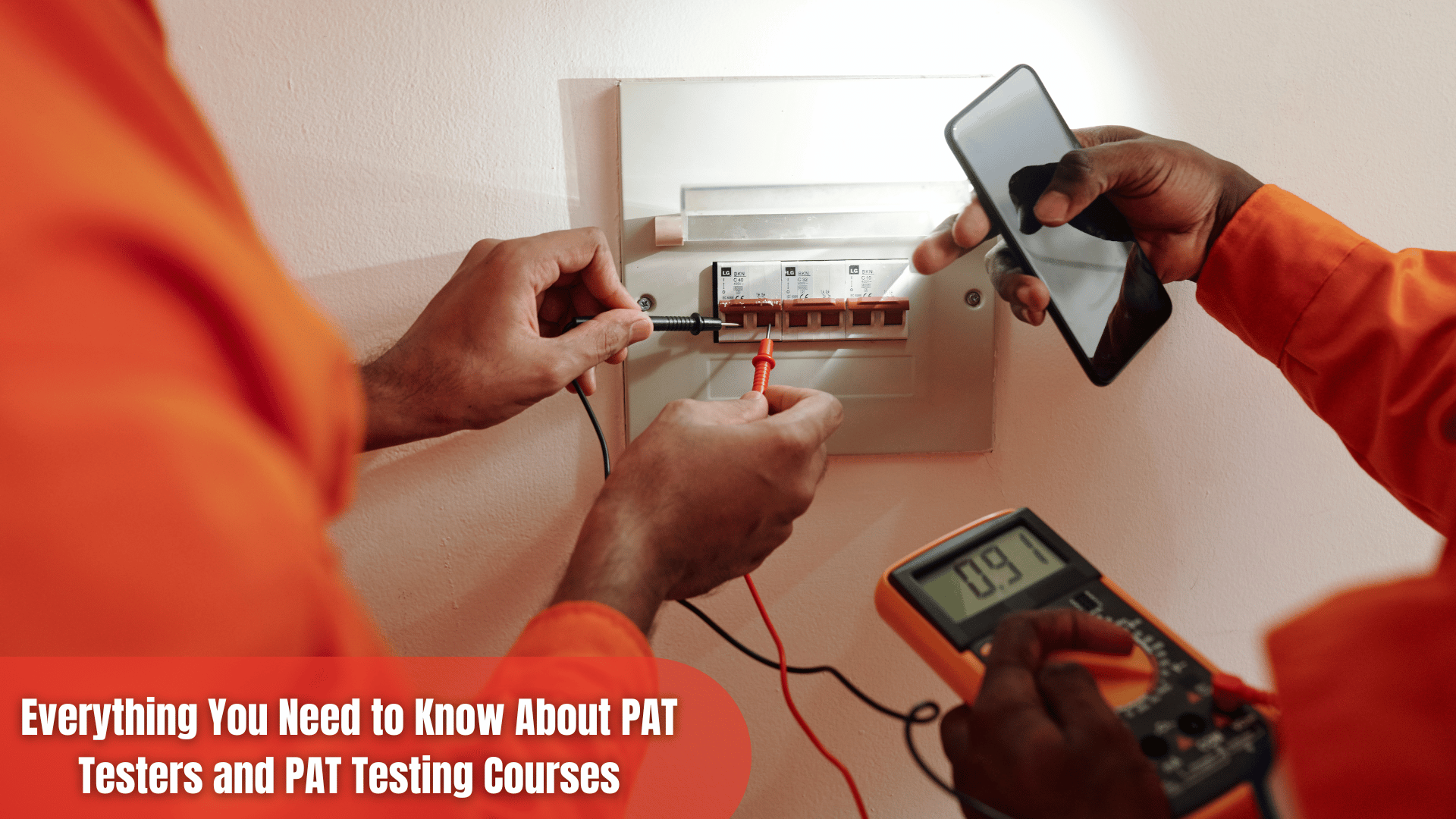
Technician performing Portable Appliance Testing (PAT) with probes on an electrical panel to ensure safety compliance.

Do I need to do Portable Appliance Testing?

Although not explicitly required by law, PAT testing is highly advised as an effective means to meet workplace safety requirements. Moreover,  employers have a legal obligation to keep their equipment safe, and PAT testing serves as a practical method to show adherence to these responsibilities.

Why do I need a PAT test?

PAT testing is essential for detecting defects before they turn dangerous. Consequently, it reduces the chances of electric shocks, fires, and equipment failures, thereby safeguarding employees and maintaining a secure workplace. Additionally, routine testing aids in avoiding expensive downtime due to unforeseen equipment breakdowns.

What is ‘Portable Electrical Equipment’?

Any equipment that you can relocate while it remains plugged into a power source counts as a portable electrical device. For example, this category encompasses items such as kettles, extension cords, laptops, power tools, and other similar tools utilised in a work environment.

What is a ‘Class I’ electrical item?

Class I appliances depend on an earth connection for safety and include devices like desktop computers, toasters, and refrigerators. Specifically, these items necessitate comprehensive PAT testing with a Portable Appliance Tester.

What is a ‘Class II’ electrical item?

Class II devices feature double insulation and do not depend on an earth connection for safety. For example, typical examples are hairdryers and televisions. However, they still necessitate visual inspections and insulation testing.

How often do I need a PAT test? (In service inspection and testing of electrical equipment)

There is no set legal frequency for PAT testing. However, the timing of these tests varies based on factors like the type of equipment, its usage frequency, and the operating environment. For instance, high-risk settings might necessitate more regular inspections, whereas low-risk office environments may only require annual evaluations.

Do I need to PAT test employees’ personal equipment?

When employees utilise their personal electrical devices at work (such as phone chargers or heaters), these devices must also undergo PAT testing to confirm they do not present any safety hazards.

Who should be responsible for PAT testing in the workplace?

Employers or appointed health and safety staff usually ensure that PAT testing is performed. In addition, trained personnel can handle this responsibility internally, or certified PAT testing service providers can carry it out.

What is a PAT test certificate?

A PAT test certificate is an official record confirming that electrical appliances have been inspected and tested for safety. Moreover, it details the tested items, results, dates, and tester information, thereby serving as proof of compliance with UK safety regulations for audits, insurance checks, or inspections. Completing a PAT testing course ensures individuals can competently perform these tests, accurately document results, and issue valid certificates recognised by employers and regulatory bodies.

Portable Appliance Testing (PAT)

Learn Portable Appliance Testing (PAT) skills for electrical safety compliance. Moreover, ideal for electricians and safety professionals.

Who can carry out a PAT test?

PAT testing must be conducted by an individual who has received proper training in PAT testing and possesses the skills necessary to perform inspections and analyse the outcomes. Furthermore, a trained professional will be familiar with how the Portable Appliance Tester functions and will ensure that the tests are carried out accurately. In addition, this ensures that the process meets the required safety standards.

Can I do my own PAT test?

Indeed, you are allowed to perform your own PAT tests provided you have finished a recognized PAT testing course. Additionally, this training guarantees that you comprehend how to operate the equipment safely and accurately interpret the test results.

PAT Testing - Portable Appliance Testing Training

Master PAT Testing – Portable Appliance Testing with our CPD course. Additionally, ensure electrical safety and boost your career with certified skills.

How much does a PAT test cost?

The price of PAT testing can differ based on the quantity and kind of appliances undergoing testing. For instance, costs can range from £50 to several hundred pounds for larger companies. Moreover, service providers frequently offer discounts for bulk testing.

Do I need to keep a record of PAT tests?

Although it’s not legally mandated, maintaining a record of PAT tests is strongly advised. In addition, this practice offers proof of compliance, aids in monitoring testing timelines, and assists in conducting risk assessments.

Can you PAT test with a multimeter?

A typical multimeter is insufficient for conducting a formal PAT test. Instead, PAT testing necessitates particular functions like earth continuity and insulation resistance testing, which can only be carried out by a specialised Portable Appliance Tester.

Can PAT testing damage your appliances or computers?

A typical multimeter is insufficient for conducting a formal PAT test. In contrast, PAT testing necessitates particular functions like earth continuity and insulation resistance testing, which can only be carried out by a specialised Portable Appliance Tester.

Is PAT testing a legal requirement?

The legislation, which encompasses the Health and Safety at Work Act 1974 and the Electricity at Work Regulations 1989, does not explicitly mandate PAT testing. However, these regulations stipulate that electrical equipment must be maintained in a safe condition, and consequently, PAT testing is regarded as one of the most efficient methods to ensure this.

September 10, 2025

0 responses on "Mastering PAT Testing: A Complete Guide to PAT Testers and Certified PAT Testing Courses"

Leave a Message

A product of

© 2026 NextGen Learning. All rights reserved

Home Search Cart Offers
Select your currency
USD United States (US) dollar