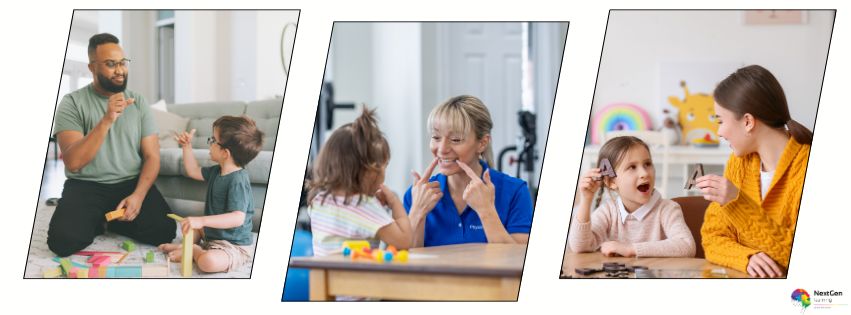



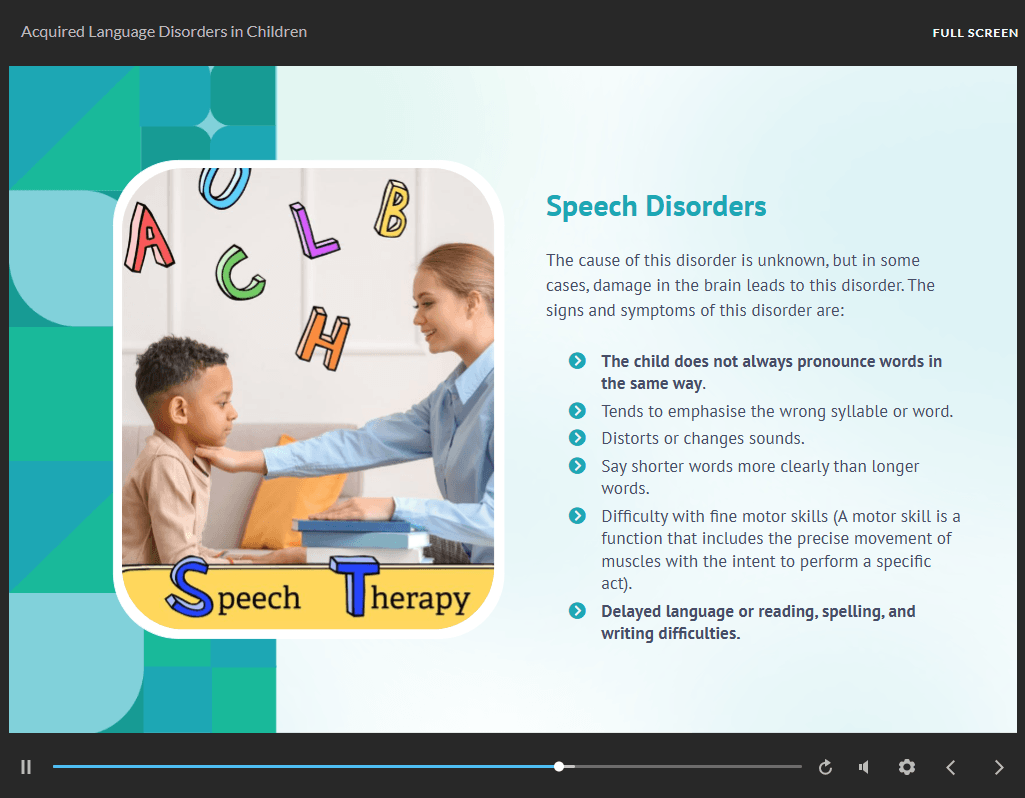
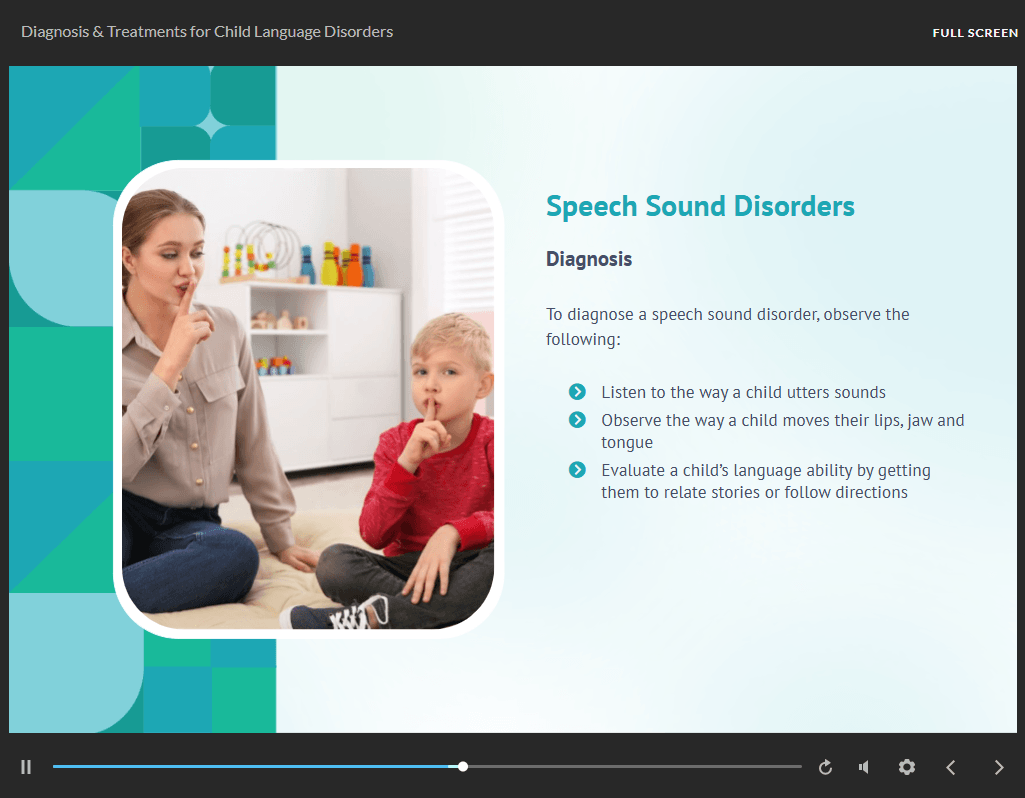
Speech and language disorders affect a child’s ability to speak clearly, understand language, or communicate effectively. They can influence learning, behaviour, and social development. Understanding these disorders is the first step towards providing the right support.

Speech and Language Disorders in Children Course - Highlights
- 4.8
- Based on 43 enrolled learner reviews
- Price: Guaranteed Low Price + 14 Day Money Back Guarantee
- Course Type: 100% Online Course
- Syllabus: 5 Course Modules
- Duration: 1 Hours 24 Minutes Guided Classes
- Exams: Assessment Included
- Accreditation: Instant CPD Certification After Completing the Course
- Certificate: CPD Accredited Digital Certificate - Included FREE
- Tutor Support: Support Included
- Access: Lifetime Access
- Compatibility: Any Browser Device
Speech and Language Disorders in Children Course
Understanding speech and language disorders in children is essential for anyone who supports young learners. This online course explores the causes, types, assessment and management of childhood language disorders, helping you build a strong foundation in child communication and language development.
You will learn about developmental and acquired language disorders, including communication difficulties linked to intellectual disabilities and genetic syndromes. The course also explains how speech and language disorders affect learning, social interaction and emotional wellbeing, while introducing evidence-based approaches to diagnosis and treatment.
Designed for aspiring professionals, educators, childcare practitioners, parents and anyone interested in child development, this course provides practical knowledge that can be applied in educational, healthcare and family settings. By the end of the course, you will have a better understanding of how to recognise communication difficulties, support children with language disorders and contribute to positive developmental outcomes with greater confidence.
Exclusive Course Glimpse
Learning Outcomes
By the end of this course, you will be able to:
- Understand the different types of speech and language disorders in children and how they affect communication and development.
- Identify the signs, causes and characteristics of specific and acquired language disorders in children.
- Recognise language disorders associated with intellectual disabilities and genetic syndromes.
- Explore evidence-based approaches to assessing, diagnosing and supporting children with communication difficulties.
- Develop a strong understanding of child language development and the importance of early intervention.
- Learn practical strategies that can help support children with speech and language disorders in educational, healthcare and home settings.
- Build the knowledge and confidence needed to support children’s communication, learning and overall wellbeing.
Why Should I Take This Course?
- Develop specialist knowledge of speech and language disorders in children, from identification to management.
- Understand child communication disorders and explore current approaches to assessment, diagnosis and treatment.
- Support children’s development by learning how language difficulties can affect learning, behaviour and social interaction.
- Study at your own pace with flexible online learning that fits around your work and personal commitments.
- Follow a structured curriculum designed to build your knowledge step by step, from language development to evidence-based interventions.
- Enhance your professional skills for roles in education, childcare, healthcare, family support and other child-focused settings.
Certificate of Achievement
Upon successfully completing the course, you will be eligible to apply for a UK and internationally recognised CPD Certificate of Achievement. This certificate provides formal recognition of your learning and is a valuable addition to your CV and professional portfolio.
Is This Speech and Language Disorders in Children Course Right for You?
This course is ideal for:
- Teachers looking to better support pupils with speech and language difficulties.
- Teaching Assistants working with children who have communication needs.
- Childcare Practitioners supporting early language and communication development.
- Parents and Carers who want to understand and support children with language disorders.
- Healthcare Support Workers seeking to expand their knowledge of childhood communication disorders.
- Psychology and Education Students interested in child development and communication.
- Anyone passionate about child development and improving outcomes for children with speech and language disorders.
Requirements
- No formal qualifications are required to enrol in this course.
- An interest in child development, communication and supporting children’s learning is beneficial.
- A willingness to learn and improve your knowledge of speech and language disorders in children will help you get the most from the course.
Career Opportunities
Completing this course can help you build valuable knowledge of speech and language disorders in children, supporting your professional development in child-focused settings. It may be beneficial for roles such as:
- Teaching Assistant – Support children with communication and language needs in schools.
- Childcare Practitioner – Promote children’s language development in early years and childcare settings.
- Learning Support Assistant – Help pupils with speech, language and communication difficulties to access learning.
- Family Support Worker – Provide informed support to children and families facing communication challenges.
- Healthcare Support Worker – Enhance your understanding of childhood communication disorders while working alongside healthcare professionals.
- Support Worker (Children’s Services) – Develop skills to better support children with additional communication needs.
Order Your Certificate
To order your Certificate, we kindly invite you to visit the following link
FAQs About Speech and Language Disorders in Children
Common signs include delayed speech, difficulty following instructions, limited vocabulary, unclear pronunciation, or trouble forming sentences. Learning to recognise these signs early can help children receive appropriate support sooner.
Speech and language disorders may result from developmental delays, hearing impairment, neurological conditions, genetic syndromes, or other underlying factors. Understanding the possible causes helps adults better support a child’s communication needs.
Assessment is usually carried out by a qualified Speech and Language Therapist through observations, language assessments, and developmental history. Knowing how diagnosis works can help parents, educators, and support workers respond more confidently.
Supporting a child involves using clear communication, encouraging conversation, creating language-rich environments, and working alongside professionals where needed. Gaining knowledge of effective strategies can make a positive difference to a child’s communication and learning outcomes.
Course Curriculum
| Speech and Language Disorders in Children | |||
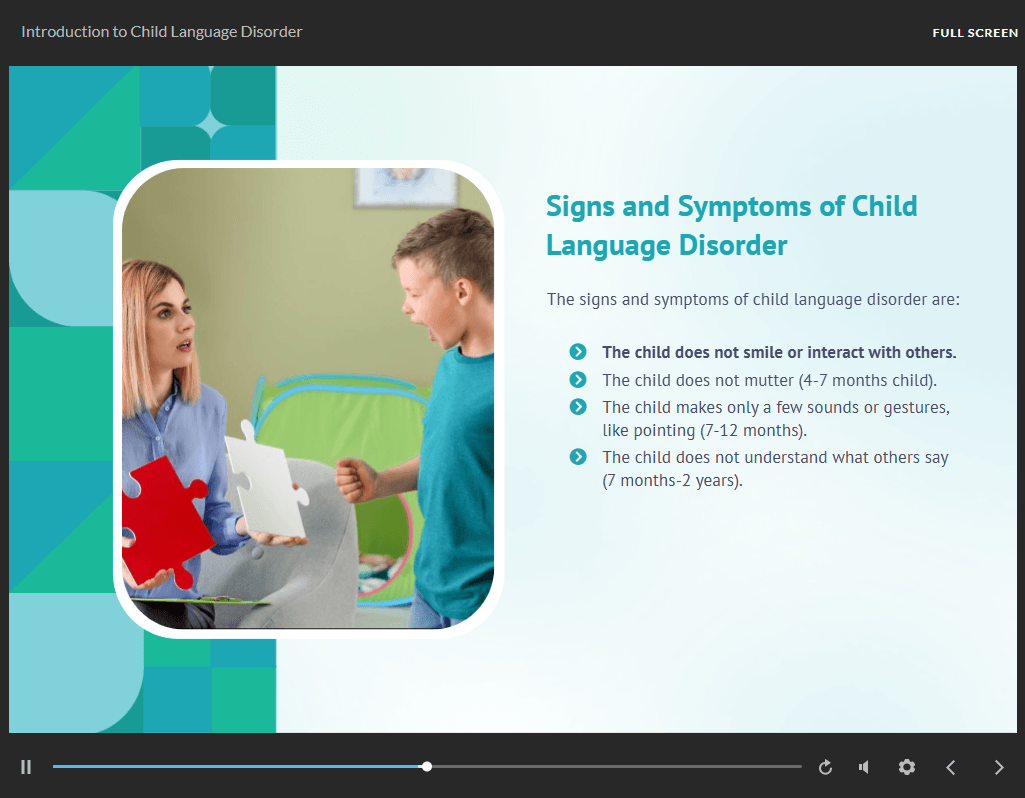
| Introduction to Child Language Disorder | 00:17:00 | ||
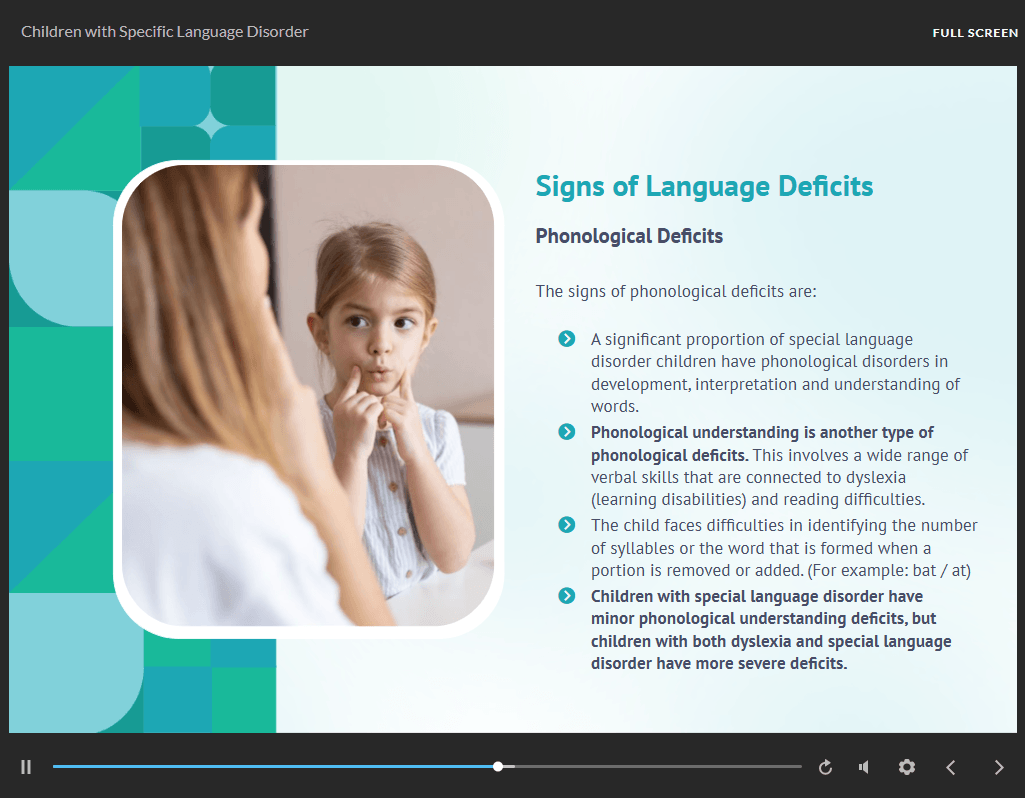
| Children with Specific Language Disorder | 00:14:00 | ||
| Acquired Language Disorders in Children | 00:23:00 | ||
| Language Disorders in Children with Intellectual Disability of Genetic Syndromes | 00:14:00 | ||
| Diagnosis Treatments for Child Language Disorders | 00:16:00 | ||
| Assignment | |||
| Assignment – Speech and Language Disorders in Children | 00:00:00 | ||
| Order Your Certificate | |||
| Order Your Certificate | 00:00:00 | ||
Related Courses
Level 3 Pharmacy Technician Course
Audiology and Hearing Assessment Course
Human Growth and Development
Complete your purchase
🔒 Secure checkout
Preparing your order
Processing your payment…