





Level 3 Nursing Assistant: Duties, Skills, Qualifications and Career Guide UK
If you’re considering a career in healthcare, you’ve probably come across the term Level 3 Nursing Assistant. However, many people are unsure what it actually means. Is it an official NHS job title? Do you need a Level 3 qualification to become a Nursing Assistant? And how does it affect your career prospects?
The simple answer is that a Level 3 Nursing Assistant refers to someone who has completed advanced training that develops a broader understanding of patient care and clinical support. Although the qualification can strengthen your knowledge and improve your CV, your day-to-day responsibilities will always depend on your employer, workplace policies, and level of competence.
In the UK, Nursing Assistants play a vital role in supporting nurses and delivering high-quality, person-centred care. Therefore, they’re employed across a wide range of healthcare settings, including NHS hospitals, private hospitals, GP surgeries, clinics, and residential care homes. Moreover, completing a recognised Level 3 Diploma in Nursing Assistant can help you build the confidence and practical skills employers value.
In this guide, you’ll learn:
- What a Level 3 Nursing Assistant is.
- The duties and responsibilities of the role.
- The qualifications and skills employers look for.
- Whether Level 3 is the same as NHS Band 3.
- Career opportunities, salary expectations, and progression routes.
- How to choose the right Level 3 Nursing Assistant course.
By the end of this article, you’ll have a clear understanding of what a Level 3 Nursing Assistant qualification offers and how it can support your long-term career in the UK’s healthcare sector.
Table of Contents
What Is a Level 3 Nursing Assistant?
A Level 3 Nursing Assistant is someone who has completed a Level 3 Nursing Assistant qualification designed to develop a deeper understanding of patient care, clinical support, and professional healthcare practice. However, it’s important to understand that Level 3 is a qualification level, not an official NHS job title. Therefore, completing a Level 3 course doesn’t automatically change your job title or guarantee a specific role.
A Level 3 qualification builds on the fundamentals of healthcare by covering both theoretical knowledge and practical care principles. As a result, learners develop greater confidence when supporting patients and working alongside nurses and other healthcare professionals.
A Level 3 Nursing Assistant course typically covers:
- Patient care and personal hygiene.
- Infection prevention and control.
- Safeguarding adults and children.
- Communication in healthcare settings.
- Health and safety procedures.
- Moving and handling techniques.
- Nutrition and hydration.
- Dementia awareness and person-centred care.
- Documentation and record keeping.
- Professional ethics and confidentiality.
Moreover, many employers value Level 3 training because it demonstrates a commitment to professional development. Although the qualification doesn’t replace workplace induction or practical competency assessments, it can strengthen your CV and improve your confidence in healthcare environments.
It’s also worth noting that your daily responsibilities will always depend on your employer, workplace policies, and level of supervision. Consequently, two Nursing Assistants with the same qualification may perform different duties depending on where they work.
For anyone looking to build a long-term career in healthcare, a Level 3 Diploma in Nursing Assistant provides a solid foundation. It equips you with the knowledge needed to support patients safely while preparing you for future progression into more advanced healthcare roles.
What Does a Level 3 Nursing Assistant Do?

A Level 3 Nursing Assistant provides essential support to nurses and other healthcare professionals while helping patients receive safe, compassionate, and person-centred care. Although a Level 3 qualification develops broader healthcare knowledge, the exact duties vary depending on your employer, workplace setting, and level of responsibility. Therefore, your day-to-day tasks may differ between hospitals, GP surgeries, care homes, and community healthcare services.
The primary role of a Nursing Assistant is to support patients with their daily needs while ensuring they remain comfortable, safe, and well cared for. Moreover, Nursing Assistants help healthcare teams deliver high-quality care by assisting with routine clinical and non-clinical tasks.
Typical responsibilities include:
- Assisting patients with personal care, including washing, dressing, and grooming.
- Helping patients move safely using approved moving and handling techniques.
- Monitoring and recording basic observations when required.
- Supporting patients during meals and encouraging proper nutrition and hydration.
- Maintaining clean, safe, and hygienic care environments.
- Following infection prevention and control procedures.
- Communicating patient concerns to nurses and other healthcare professionals.
- Keeping accurate patient records and maintaining confidentiality.
- Providing emotional support to patients and their families.
- Following safeguarding, health and safety, and organisational policies.
Although these duties are common across many healthcare settings, a Level 3 qualification does not automatically expand your clinical responsibilities. Instead, employers decide which tasks you can perform based on your training, competence, workplace policies, and supervision. As a result, two Nursing Assistants with the same qualification may carry out different responsibilities in different organisations.
A Level 3 Diploma in Nursing Assistant helps you understand the principles behind these duties while developing the confidence and professional behaviour employers expect. Consequently, it provides a strong foundation for delivering high-quality patient care and progressing within the UK’s healthcare sector.
Do You Need a Level 3 Qualification to Become a Nursing Assistant?
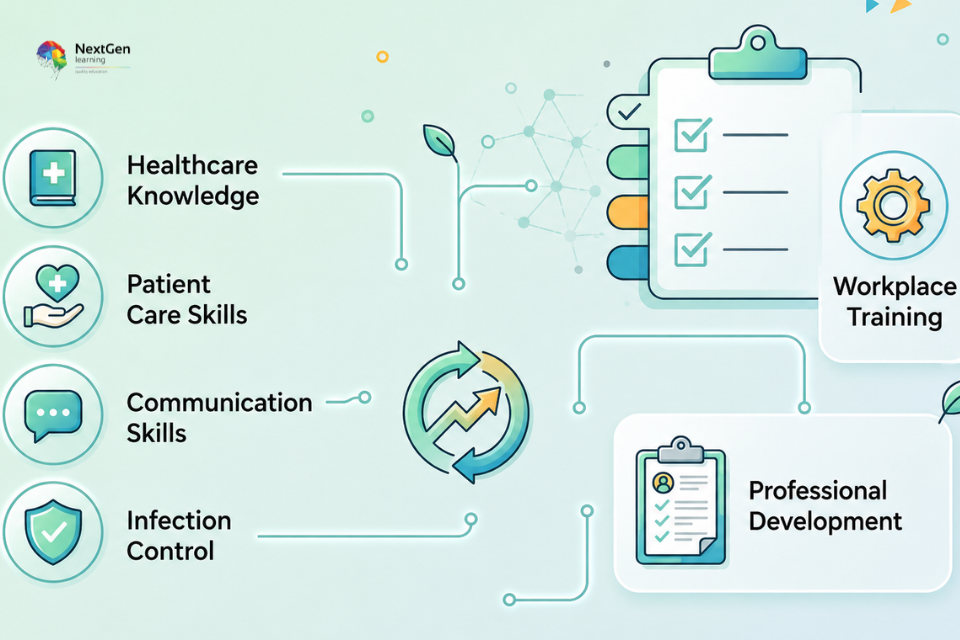
No, you do not need a Level 3 qualification to become a Nursing Assistant in the UK. Many employers recruit candidates based on their attitude, communication skills, and willingness to learn. However, completing a Level 3 Nursing Assistant Diploma can give you a competitive advantage by developing your healthcare knowledge and practical care skills.
Entry requirements vary between employers. For example, some NHS trusts and private healthcare providers offer entry-level Nursing Assistant roles with on-the-job training. Others may prefer applicants who have already completed relevant healthcare qualifications. Therefore, checking individual job descriptions before applying is always a good idea.
Although a Level 3 qualification is not mandatory, it can help you:
- Develop a stronger understanding of patient care and clinical support.
- Build confidence before working in healthcare settings.
- Improve your CV and stand out during recruitment.
- Learn safeguarding, infection control, and health and safety procedures.
- Prepare for future career progression within the healthcare sector.
It’s also important to understand that a Level 3 qualification is not the same as professional registration or clinical competency. Employers will still provide workplace induction, mandatory training, and competency assessments before allowing you to perform specific duties. Consequently, your responsibilities will depend on your experience, supervision, and organisational policies rather than your qualification alone.
For many learners, a Level 3 Diploma in Nursing Assistant is a worthwhile investment because it provides structured learning and demonstrates a commitment to professional development. Moreover, it creates a strong foundation for progressing into roles such as Senior Healthcare Assistant, Nursing Associate, or, with further study, Registered Nurse.
Level 3 Nursing Assistant vs Standard Nursing Assistant: What's the Difference?
| Feature | Standard Nursing Assistant | Level 3 Nursing Assistant |
|---|---|---|
| Training | Basic healthcare training or employer induction | Level 3 Diploma or equivalent healthcare training |
| Knowledge | Core patient care skills | Broader understanding of patient care, safeguarding, infection control, and healthcare procedures |
| Daily Duties | Personal care, mobility support, communication, and basic patient assistance | Similar duties with enhanced healthcare knowledge, depending on employer requirements |
| Career Development | Entry-level healthcare roles | Stronger foundation for career progression and further healthcare training |
| Progression Opportunities | Healthcare Assistant, Care Assistant | Senior Healthcare Assistant, Nursing Associate, Registered Nurse (with further study) |
Career Opportunities and Salary for a Level 3 Nursing Assistant

Completing a Level 3 Nursing Assistant Diploma can open the door to a wide range of healthcare opportunities across the UK. Although the qualification doesn't guarantee a specific job title or NHS pay band, it demonstrates a higher level of knowledge and a commitment to professional development. Therefore, many employers view it as a valuable qualification when recruiting healthcare support staff.
A Level 3 qualification also provides a strong foundation for career progression. As you gain experience, you may move into more specialised roles or continue your education to achieve higher healthcare qualifications.
Table 2: Career Opportunities and Salary for a Level 3 Nursing Assistant
| Category | Details |
|---|---|
| Typical Roles | Nursing Assistant, Healthcare Assistant, Clinical Support Worker |
| Work Settings | NHS hospitals, private hospitals, GP surgeries, clinics, care homes, community healthcare services |
| Typical Starting Salary (UK) | £24,000–£29,000* |
| Career Progression | Senior Healthcare Assistant, Nursing Associate, Assistant Practitioner, Registered Nurse (with further study) |
*Salary figures vary depending on your employer, location, experience, responsibilities, and additional qualifications.
A Level 3 Nursing Assistant qualification can make your CV more competitive by demonstrating your understanding of patient care, safeguarding, infection prevention, and professional healthcare practice. Moreover, many employers encourage staff to continue learning through workplace training and continuing professional development (CPD).
If you're planning a long-term healthcare career, this qualification provides an excellent starting point. As a result, you can gain valuable practical experience while working towards more senior clinical or leadership roles within the healthcare sector.
How to Choose the Right Level 3 Nursing Assistant Course

Choosing the right Level 3 Nursing Assistant course is one of the most important decisions you’ll make before starting your healthcare career. Although many courses cover similar topics, they can differ in quality, recognition, and learning support. Therefore, comparing your options carefully will help you select a course that meets employer expectations and supports your long-term career goals.
When choosing a course, look for the following:
- Comprehensive curriculum covering patient care, safeguarding, infection prevention, and health and safety.
- Recognised accreditation from a reputable training provider.
- Flexible online learning that allows you to study at your own pace.
- Career-focused content that prepares you for real healthcare environments.
- Clear progression opportunities towards advanced healthcare roles or further qualifications.
Moreover, choose a course that develops both your knowledge and confidence. A well-designed Level 3 Nursing Assistant Diploma should explain not only what to do but also why best practices are essential for delivering safe, person-centred care.
By selecting a recognised qualification, you’ll strengthen your CV and improve your chances of securing employment in hospitals, clinics, care homes, and other healthcare settings.
Common Misunderstandings About Level 3 Nursing Assistants
Many people misunderstand what a Level 3 Nursing Assistant qualification actually means. As a result, learners sometimes have unrealistic expectations about the roles they can perform after completing their training. Understanding the facts will help you make informed career decisions.
Here are some of the most common misconceptions:
- A Level 3 qualification is an NHS job title.
No. It refers to your level of learning, not your official job title. - Level 3 automatically means NHS Band 3.
No. NHS pay bands depend on the role, responsibilities, employer, and local recruitment policies. - A Level 3 Diploma allows you to perform clinical procedures independently.
No. Employers decide which duties you can undertake based on your competence, training, and supervision. - You need a Level 3 qualification to become a Nursing Assistant.
Not always. Many employers recruit entry-level candidates and provide workplace training. However, a Level 3 qualification can improve your knowledge and employability. - Completing a Level 3 course makes you a Registered Nurse.
No. Becoming a Registered Nurse requires an approved nursing degree and professional registration.
Although these misconceptions are common, the reality is straightforward. A Level 3 Nursing Assistant Diploma strengthens your healthcare knowledge, improves your confidence, and supports your professional development. However, your employer will always determine your responsibilities based on workplace policies, competency assessments, and clinical supervision.
Conclusion
A Level 3 Nursing Assistant qualification is an excellent way to build the knowledge, confidence, and practical understanding needed for a successful healthcare career. Although it isn’t an official NHS job title or a guarantee of a specific role, it demonstrates your commitment to professional development and high-quality patient care.
Whether you’re starting your first healthcare job or looking to strengthen your existing skills, completing a recognised Level 3 Nursing Assistant Diploma can improve your employability and support long-term career progression. Moreover, it provides a solid foundation for advancing to roles such as Senior Healthcare Assistant, Nursing Associate, or Registered Nurse through further education and experience.
By choosing a reputable training provider and continuing to develop your skills, you’ll be well prepared to make a meaningful contribution to the UK’s healthcare sector while creating rewarding opportunities for your future.
Frequently Asked Questions
A Level 3 Nursing Assistant is someone who has completed a Level 3 healthcare qualification that develops advanced knowledge of patient care, safeguarding, infection prevention, and clinical support.
No. Level 3 refers to the level of training, not an official NHS job title or pay band.
Not always. Many employers recruit entry-level candidates without a Level 3 qualification. However, completing one can improve your knowledge, confidence, and employment prospects.
No. NHS Band 3 is a pay band based on job responsibilities, while Level 3 describes the depth of your qualification.
You’ll typically learn patient care, communication, safeguarding, infection prevention, moving and handling, health and safety, documentation, and professional healthcare practice.
You can work in NHS hospitals, private hospitals, GP surgeries, clinics, residential care homes, community healthcare services, and rehabilitation centres.
Yes. With experience and further study, you can progress to roles such as Senior Healthcare Assistant, Nursing Associate, Assistant Practitioner, or Registered Nurse.
Yes. A recognised Level 3 qualification strengthens your CV, develops valuable healthcare skills, and improves your opportunities for career progression within the UK healthcare sector.


0 responses on "Level 3 Nursing Assistant: Duties, Skills, Qualifications and Career Guide UK"