




The Importance of DSL Training for Ofsted Compliance and Inspections
Designated Safeguarding Lead training, including DSL training for Ofsted inspections, plays a critical role in meeting Ofsted safeguarding requirements and ensuring effective safeguarding practice in UK schools. As a result, DSL training is now a critical requirement for schools and colleges across the UK.
In recent years, searches for DSL training UK, Designated Safeguarding Lead training, and DSL safeguarding training have increased, because education professionals increasingly recognise that meeting Ofsted safeguarding requirements goes far beyond having written policies in place. In practice, Ofsted compliance is assessed through leadership knowledge, staff confidence, and the effectiveness of safeguarding systems during inspection activity.
Consequently, high-quality safeguarding training for schools, a clear understanding of designated safeguarding lead responsibilities, and consistent safeguarding training for teachers are essential. When these elements align with Ofsted safeguarding standards, the right DSL training course — including flexible online DSL training UK and structured refresher training — strengthens inspection outcomes and supports long-term safeguarding leadership.
Importantly, safeguarding leadership also connects directly with wider responsibilities such as safer recruitment in schools, thereby reinforcing trust, accountability, and confidence at every level.
Table of Contents
What Is DSL Training and Why Is It Essential in UK Schools?
Designated Safeguarding Lead training provides school leaders with the legal knowledge, practical skills, and confidence required to manage safeguarding responsibilities effectively. DSL training equips individuals with the specialist knowledge required to lead safeguarding effectively within an educational setting. However, its importance lies not just in compliance, but in confidence. In addition, a well-trained DSL understands how safeguarding legislation, statutory guidance, and real-world decision-making intersect.
During inspections, Ofsted does not simply check whether safeguarding training has occurred. Instead, inspectors examine how safeguarding works in practice. Therefore, DSL training is essential because it enables leaders to move from procedural awareness to confident, defensible action. When safeguarding decisions are challenged, a trained DSL can clearly explain why decisions were made, how risks were assessed, and how pupils’ welfare was prioritised.
Moreover, safeguarding responsibilities are complex and emotionally demanding. As a result, DSL training provides structure, clarity, and reassurance, ensuring leaders are not navigating safeguarding issues in isolation.
The Role and Responsibilities of a Designated Safeguarding Lead
The Designated Safeguarding Lead holds a pivotal role within any school or college. This role demands professional judgement, emotional intelligence, and the ability to manage sensitive information responsibly. Through Designated Safeguarding Lead training, professionals develop a clear understanding of risk assessment, reporting procedures, and leadership accountability.
Key responsibilities typically include:
- receiving and triaging safeguarding concerns
- assessing levels of risk and urgency
- maintaining accurate and secure safeguarding records
- liaising with local authorities and external agencies
- supporting staff who raise concerns
- monitoring safeguarding patterns and themes
- ensuring safeguarding remains central to school culture
Importantly, statutory guidance expects DSLs and their deputies to receive appropriate training and regular updates. This expectation reinforces the need for structured DSL training rather than informal knowledge built over time.
Ofsted Safeguarding Requirements Schools Must Meet
Safeguarding is inspected as a fundamental expectation. Consequently, weaknesses in safeguarding can have a serious impact on inspection outcomes, regardless of strengths in teaching or curriculum.
Inspectors expect schools to demonstrate:
- clear safeguarding procedures
- confident staff understanding
- effective leadership oversight
- timely responses to concerns
- robust record-keeping and follow-up
Therefore, DSL training becomes a central mechanism through which schools ensure these expectations are met consistently. Without it, safeguarding systems often rely too heavily on individual experience rather than structured, defensible practice.
Why Ofsted Inspections Place Strong Emphasis on DSL Training
Safeguarding is woven throughout the inspection process. Inspectors assess it through meetings with leaders, conversations with staff, scrutiny of records, and discussions about culture. Effective DSL training for Ofsted inspections ensures safeguarding leaders can explain decisions clearly and demonstrate confident inspection readiness.
Because of this, this safeguarding training has a visible impact during inspection. Trained DSLs can articulate safeguarding processes clearly, explain decision-making confidently, and demonstrate how leaders assure themselves that safeguarding is effective. Conversely, a lack of training often shows through vague responses, inconsistent explanations, or uncertainty when challenged.
In effect, this safeguarding training turns safeguarding from a vulnerability into a strength.
During inspections, safeguarding preparation is not theoretical — it is closely examined in practice.

How DSL Training Supports Ofsted Compliance in Practice
DSL training supports compliance in several practical ways. Firstly, it improves judgement when concerns are unclear or overlapping. Secondly, it strengthens record-keeping, ensuring that safeguarding logs tell a clear and accurate story. Thirdly, it empowers staff, because confident DSLs create confident teams. Schools that prioritise this safeguarding training for Ofsted inspections are better prepared to evidence safeguarding systems and leadership oversight.
Most importantly, training helps leaders connect safeguarding actions to outcomes. This ability to demonstrate impact, rather than activity alone, is a powerful inspection advantage.

How Inspectors Assess Safeguarding Knowledge During Ofsted Inspections
Inspectors do not expect scripted answers, but they do expect understanding. They often explore safeguarding knowledge by asking staff how they would respond to a concern or asking leaders how safeguarding trends are monitored.
DSL training ensures these responses are consistent and grounded in real understanding. As a result, safeguarding conversations during inspection feel natural and assured rather than rehearsed or uncertain.
Common Safeguarding Failures Identified During Ofsted Inspections
Safeguarding failures are rarely dramatic. More often, they arise from small gaps that accumulate over time. These may include inconsistent staff knowledge, outdated training, unclear records, or delays in escalation.
However, such weaknesses are preventable. Structured DSL training enables schools to identify risks early, strengthen systems, and maintain safeguarding confidence even under pressure.
Safeguarding Training Requirements for Schools and Colleges in the UK
Safeguarding training applies to all staff, not just DSLs. While DSL training is specialist, whole-staff awareness ensures safeguarding remains a shared responsibility. Statutory guidance expects Designated Safeguarding Lead training to be kept up to date so that safeguarding practice remains effective, compliant, and consistent.
Effective training strategies typically include:
- safeguarding induction for all staff
- regular updates throughout the year
- role-specific training for pastoral teams
- structured DSL and deputy this safeguarding training
DSLs play a key role in coordinating this approach, ensuring safeguarding knowledge does not become fragmented.
Keeping Up to Date With Safeguarding Legislation and Statutory Guidance
Safeguarding guidance evolves regularly, reflecting changes in risk, technology, and society. Therefore, DSLs must stay informed to ensure practice remains compliant and effective. Safeguarding practice in schools must remain aligned with Keeping Children Safe in Education statutory guidance to ensure compliance and effective protection for pupils.
Regular training updates help DSLs interpret new guidance, brief staff accurately, and adapt safeguarding systems accordingly. This prevents compliance gaps and reinforces leadership credibility.
How DSL Training Helps Schools Create a Strong Safeguarding Culture
A safeguarding culture is visible in everyday behaviour. It is reflected in how staff speak about safeguarding, how confidently concerns are raised, and how seriously pupils feel listened to.
DSL training influences culture because DSLs set the tone. When leaders are confident and well trained, safeguarding becomes proactive rather than reactive. This cultural strength is often evident during inspection.
The Link Between DSL Training and Safer Recruitment Practices
Safeguarding begins before a pupil ever enters a classroom. Safer recruitment practices reduce risk by ensuring staff are suitable and aware of safeguarding expectations from the outset.
this safeguarding training strengthens leaders’ understanding of how recruitment, induction, and safeguarding connect. This alignment reinforces safeguarding culture from the very first day of employment.
Why Ongoing and Refresher DSL Training Is Critical
Safeguarding responsibilities evolve, and refresher training ensures DSLs remain confident and current. Regular updates reinforce good practice, reduce knowledge drift, and support inspection readiness.
Ultimately, refresher training protects pupils, staff, and institutions alike.
Who Should Undertake DSL Training in Schools and Colleges?
DSL training is essential for DSLs and deputy DSLs. However, senior leaders, pastoral staff, and those with safeguarding oversight also benefit from deeper knowledge.
Expanding training strategically strengthens resilience and ensures safeguarding leadership is not dependent on one individual.
Online vs In-Person DSL Training – What Works Best for UK Schools?
Both formats can be effective. Online training offers flexibility, while in-person sessions encourage discussion and scenario-based learning. Many schools adopt a blended approach to balance accessibility and depth.
The key factor is not format, but application.
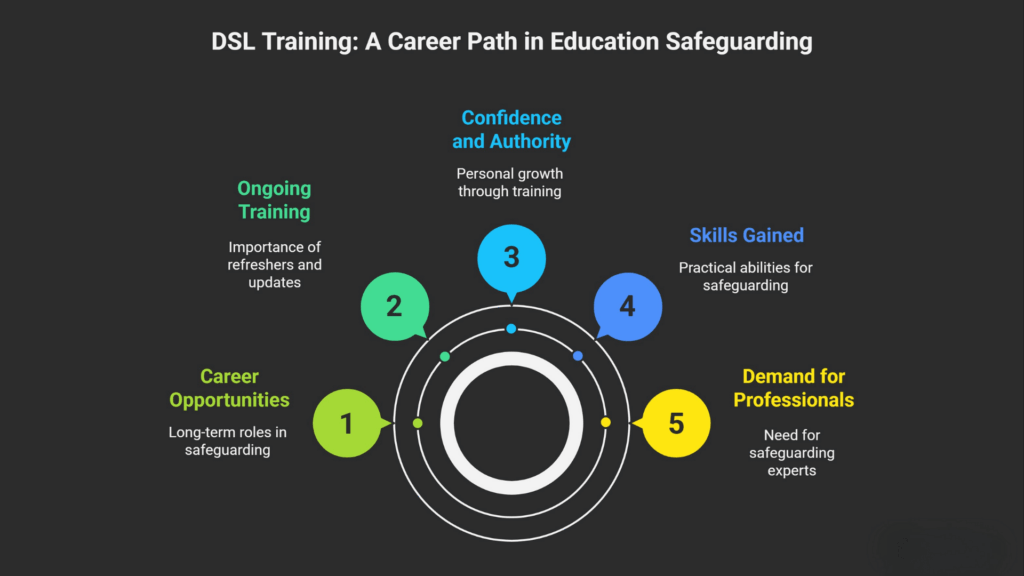
Building a Career in Safeguarding and Compliance Within Education
Safeguarding is increasingly recognised as a specialist career pathway. DSLs develop transferable skills including risk assessment, case management, leadership, and inter-agency collaboration.
As safeguarding expectations grow, professionals with structured DSL training are in increasing demand. For those seeking progression, safeguarding leadership offers both purpose and long-term career security.
Choosing the Right DSL Training Course for Ofsted Readiness
For professionals serious about safeguarding leadership, a structured DSL training course provides clarity, confidence, and direction. The right course strengthens inspection readiness, aligns practice with statutory guidance, and supports long-term professional development.
Rather than navigating safeguarding responsibilities alone, targeted training offers a clear pathway into a role that is both in demand and deeply impactful. For those ready to progress their career within education, investing in the right DSL training is not just beneficial — it is a strategic decision.
Final Thoughts: Why DSL Training Is a Strategic Investment, Not Just a Requirement
Safeguarding is no longer a background responsibility in education; it is a defining measure of leadership, trust, and professionalism. As Ofsted continues to place safeguarding at the heart of inspection frameworks, DSL training has become one of the most effective ways for schools and colleges to demonstrate readiness, confidence, and accountability.
Beyond inspection outcomes, high-quality DSL training strengthens everyday safeguarding practice. It improves decision-making under pressure, supports consistent management of concerns, and helps build a positive safeguarding culture. As a result, schools achieve stronger compliance and reduced risk, staff gain clearer guidance and confidence, and pupils benefit from safer environments where concerns are taken seriously.
From a professional perspective, DSL training also offers a valuable career pathway. Safeguarding expertise is increasingly sought after across education settings, and professionals with the skills to lead confidently are becoming essential. Investing in the right training is therefore not only about meeting current expectations, but about supporting long-term responsibility, progression, and impact.
Frequently Asked Questions About DSL vs Safeguarding Officer Roles
DSL training, also known as Designated Safeguarding Lead training, equips education professionals with the knowledge and confidence required to lead safeguarding effectively. It is important because safeguarding is a key focus during Ofsted inspections, and schools must demonstrate strong leadership, clear procedures, and effective safeguarding practice to meet statutory expectations.
Ofsted does not mandate a specific course; however, DSL training is essential for Ofsted inspection readiness. Inspectors expect Designated Safeguarding Leads to understand safeguarding legislation, manage concerns confidently, and evidence effective safeguarding systems. Schools without properly trained DSLs often struggle to meet Ofsted safeguarding requirements.
DSL training should be completed by the Designated Safeguarding Lead and any deputy DSLs. In addition, senior leaders and staff with safeguarding oversight responsibilities benefit from Designated Safeguarding Lead training, as it strengthens leadership accountability and supports consistent safeguarding practice across the organisation.
Yes. DSL training supports career progression by developing specialist skills in safeguarding leadership, compliance, risk assessment, and decision-making. As safeguarding expectations continue to increase across UK education, professionals with Designated Safeguarding Lead training are increasingly sought after for senior pastoral and safeguarding leadership roles.
Completing DSL training can lead to roles such as Designated Safeguarding Lead, Deputy DSL, safeguarding manager, pastoral lead, or wider safeguarding and compliance positions within schools and colleges. These roles are in growing demand as safeguarding and inspection readiness remain high priorities across the education sector.


0 responses on "The Importance of DSL Training for Ofsted Compliance and Inspections"