





How to Become a Car Mechanic in the UK (5 Easy Step-by-Step Guide)
Becoming a car mechanic is a popular and practical career choice in the UK, offering hands-on work, strong job demand, and clear progression opportunities. Whether you’re leaving school, changing careers, or looking to formalise your skills, understanding the right training routes, qualifications, and daily responsibilities is essential.
This guide explains how to become a car mechanic in the UK, covering what the role involves, required mechanic qualifications, vehicle repair skills, salary expectations, and realistic career pathways. It’s designed to give you a clear, step-by-step overview so you can decide if this career is right for you and how to get started.
Table of Contents
What Does a Car Mechanic Do?
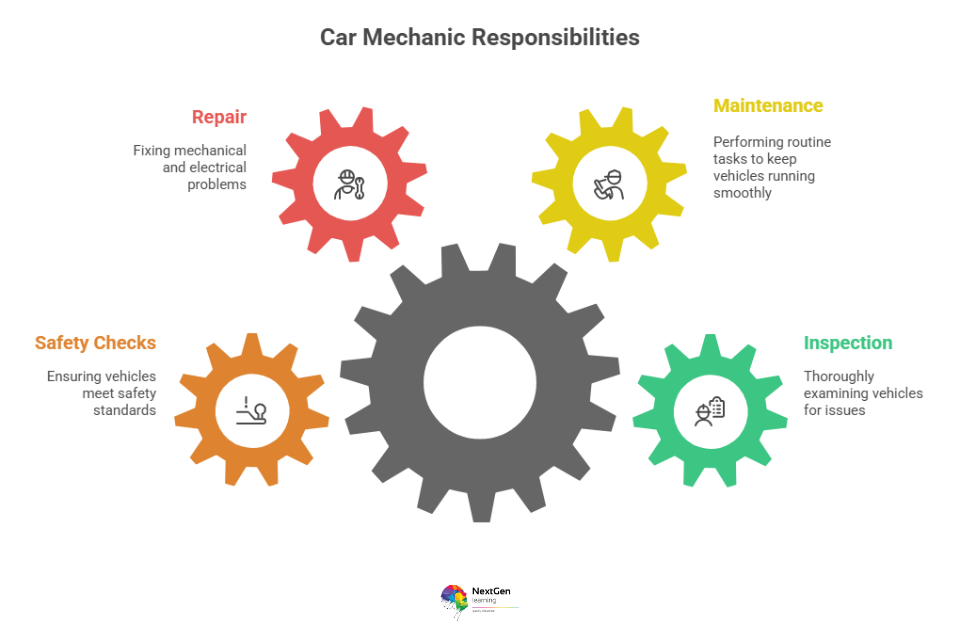
A car mechanic, also known as a vehicle mechanic, is responsible for inspecting, maintaining, and repairing cars and light vehicles to ensure they operate safely and efficiently. Mechanics work with a wide range of vehicle systems, including engines, brakes, transmissions, steering, suspension, and electrical components.
In day-to-day work, a car mechanic diagnoses faults using both manual checks and diagnostic equipment, carries out mechanical repairs, and performs routine vehicle maintenance such as servicing, part replacement, and adjustments. The role also involves identifying potential safety issues, advising on necessary repairs, and ensuring vehicles meet roadworthiness standards.
Car mechanics may work in independent garages, franchised dealerships, fast-fit centres, or fleet maintenance workshops. Regardless of the setting, the role requires technical knowledge, problem-solving skills, and attention to detail to carry out vehicle repair work accurately and safely.
Daily Tasks: Vehicle Repair and Maintenance
The daily work of a car mechanic focuses on keeping vehicles safe, reliable, and roadworthy through regular vehicle repair and maintenance. Tasks vary depending on the type of garage and level of experience, but most mechanics follow a structured routine each day.
Common daily tasks include carrying out routine car maintenance such as oil changes, brake checks, tyre replacements, and servicing. Mechanics also repair worn or damaged components, including suspension parts, exhaust systems, clutches, and engine components. These tasks help prevent breakdowns and extend the lifespan of vehicles.
A key part of daily work involves diagnosing faults. Using diagnostic tools and inspection techniques, vehicle mechanics identify issues related to engine performance, electrical systems, or safety components. Once problems are identified, mechanics carry out the required vehicle repairs efficiently while following manufacturer guidelines and safety procedures.
In many roles, mechanics also record completed work, update service records, and communicate findings to customers or supervisors. Strong attention to detail and consistent maintenance practices are essential for delivering reliable garage service and ensuring vehicles remain safe to drive.
Daily Tasks Summary
On a typical day, a car mechanic is responsible for a range of practical tasks focused on keeping vehicles safe and operational, including:
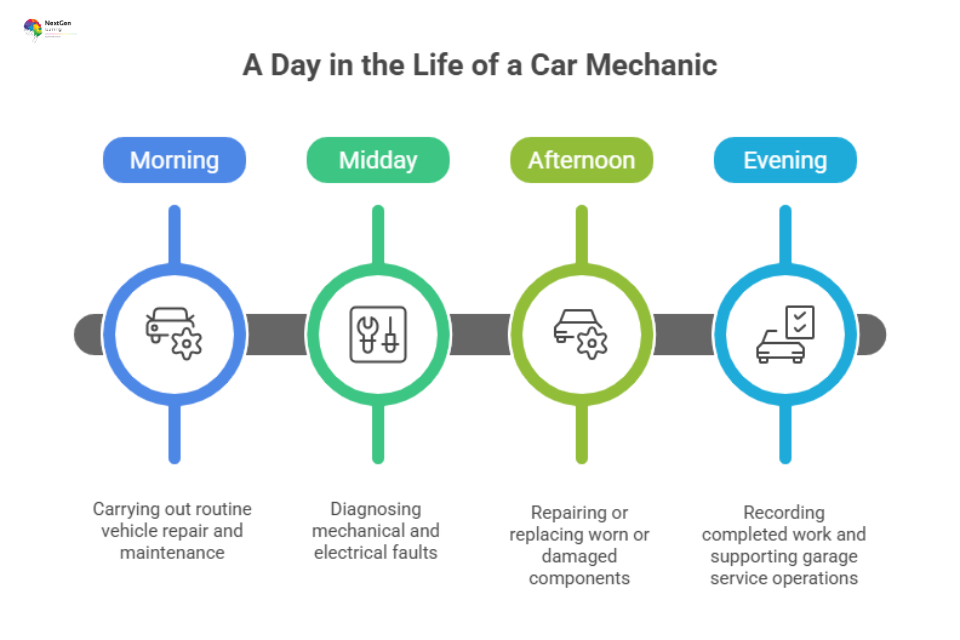
- Carrying out routine vehicle repair and maintenance
- Performing regular car maintenance such as servicing and part replacement
- Diagnosing mechanical and electrical faults using tools and equipment
- Repairing or replacing worn or damaged vehicle components
- Following safety procedures and manufacturer guidelines
- Recording completed work and supporting effective garage service operations
These daily responsibilities help mechanics build experience, maintain vehicle safety, and deliver reliable repair services across different automotive settings.
Working in a Garage Service Environment
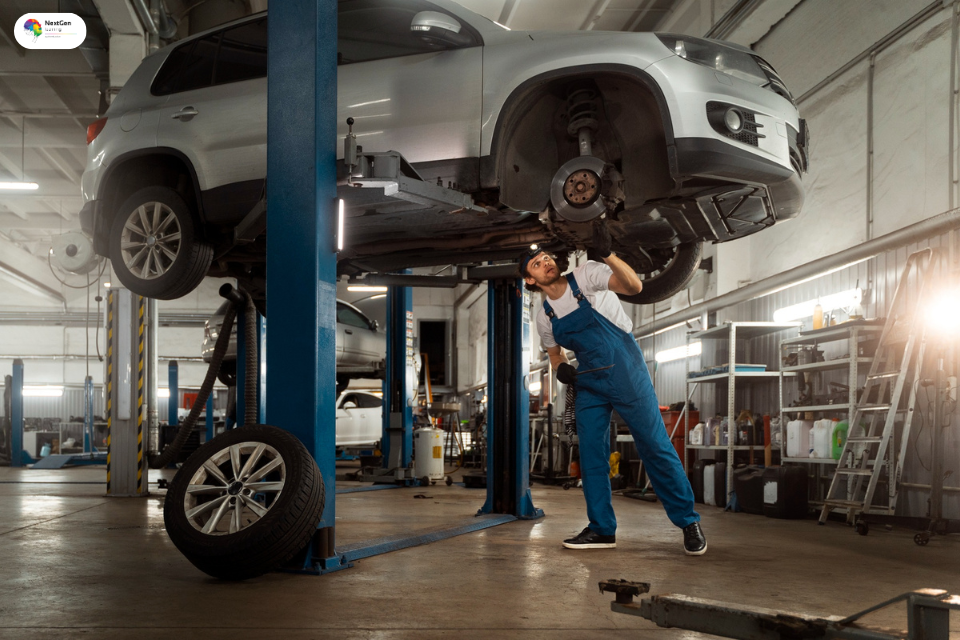
Most car mechanics work in a garage service environment, where efficiency, safety, and teamwork are essential. Garages can range from small independent workshops to large franchised dealerships and vehicle repair centres, each offering different types of experience.
In a garage setting, mechanics work alongside other technicians, service advisors, and supervisors to manage vehicle repairs and maintenance schedules. The environment is practical and fast-paced, requiring mechanics to follow job cards, meet deadlines, and prioritise tasks based on safety and customer needs. Clear communication is important to ensure repairs are completed correctly and on time.
Garage service work also involves using specialist tools, lifting equipment, and diagnostic systems to carry out inspections and repairs safely. Mechanics must follow health and safety procedures, keep work areas organised, and handle tools and vehicle components responsibly.
Working in a professional garage service environment helps vehicle mechanics develop hands-on experience, technical confidence, and an understanding of real-world vehicle repair processes, all of which are essential for long-term career progression.

Vehicle Inspections and Safety Checks
Vehicle inspections and safety checks are a core responsibility for any car mechanic or vehicle mechanic. These checks help identify faults early, ensure vehicles meet safety standards, and reduce the risk of breakdowns or accidents on the road.
During inspections, mechanics examine key vehicle systems such as brakes, steering, suspension, tyres, lights, exhausts, and fluid levels. They also check for signs of wear, damage, or leaks that could affect performance or safety. Accurate vehicle inspections are essential for deciding whether repairs are needed immediately or can be scheduled for a later date.
Safety checks often form part of routine servicing, pre-sale inspections, and preparation for MOT testing. Mechanics must follow inspection checklists, manufacturer guidance, and workshop procedures to ensure consistency and compliance. Attention to detail is critical, as missed issues can lead to safety risks and legal consequences.
By carrying out thorough inspections and safety checks, car mechanics play a vital role in maintaining vehicle roadworthiness and delivering reliable, professional garage service.
Is Becoming a Car Mechanic a Good Career in the UK?
Becoming a car mechanic can be a rewarding and stable career choice in the UK, particularly for those who enjoy hands-on work and problem-solving. With millions of vehicles on the road, skilled vehicle mechanics are consistently in demand across garages, dealerships, and fleet maintenance services.
The role offers strong job security, as vehicles require regular maintenance, inspections, and repairs regardless of economic conditions. Advances in automotive technology, including hybrid and electric vehicles, are also creating new opportunities for mechanics who develop up-to-date technical skills.
Another advantage is the variety of career paths available. Car mechanics can specialise in areas such as diagnostics, MOT testing, electric vehicles, or progress into supervisory, management, or self-employed roles. With the right mechanical qualifications and experience, long-term career progression is achievable.
Overall, becoming a car mechanic in the UK offers practical skills, steady employment, and opportunities to grow within the automotive industry.
What Qualifications Do You Need to Become a Car Mechanic?
To become a car mechanic in the UK, most employers look for a combination of training and recognised mechanic qualifications, including:
- GCSEs (especially Maths, English, and Science) to support further learning
- College-based motor vehicle courses covering vehicle repair and maintenance
- Apprenticeships that combine study with real garage service experience
- Level 2 and Level 3 automotive qualifications demonstrating technical competence
- Ongoing training to stay current with modern vehicle technology
To become a car mechanic in the UK, you need the right mix of training, practical experience, and recognised mechanic qualifications. There is no single route, but most employers expect mechanics to hold relevant automotive qualifications that demonstrate competence in vehicle repair and maintenance.
Many people start with GCSEs, particularly in Maths, English, and Science, which can support entry into further training. From there, common pathways include college-based motor vehicle courses or apprenticeships, which combine classroom learning with hands-on garage experience.
Recognised qualifications typically include Level 2 and Level 3 motor vehicle qualifications, which cover essential skills such as diagnostics, servicing, mechanical repairs, and vehicle inspections. Apprenticeships are a popular option because they allow learners to earn while gaining practical experience in a real garage service environment.
Additional training and short courses can also help mechanics stay up to date with new vehicle technologies, including hybrid and electric vehicles. While not always mandatory, ongoing training improves employability and supports long-term career progression within the automotive industry.
Gaining the right qualifications alongside hands-on experience helps build credibility, improves employability, and supports long-term career progression as a vehicle mechanic.
How to Become a Car Mechanic in the UK (Step-by-Step)
Becoming a car mechanic in the UK involves a structured progression from learning core automotive knowledge to gaining recognised mechanic qualifications and real-world experience. While there are different routes into the profession, most follow a similar pathway that combines training, hands-on practice, and continuous skill development.
Below is a detailed step-by-step guide explaining how most people successfully enter the automotive industry as a vehicle mechanic.
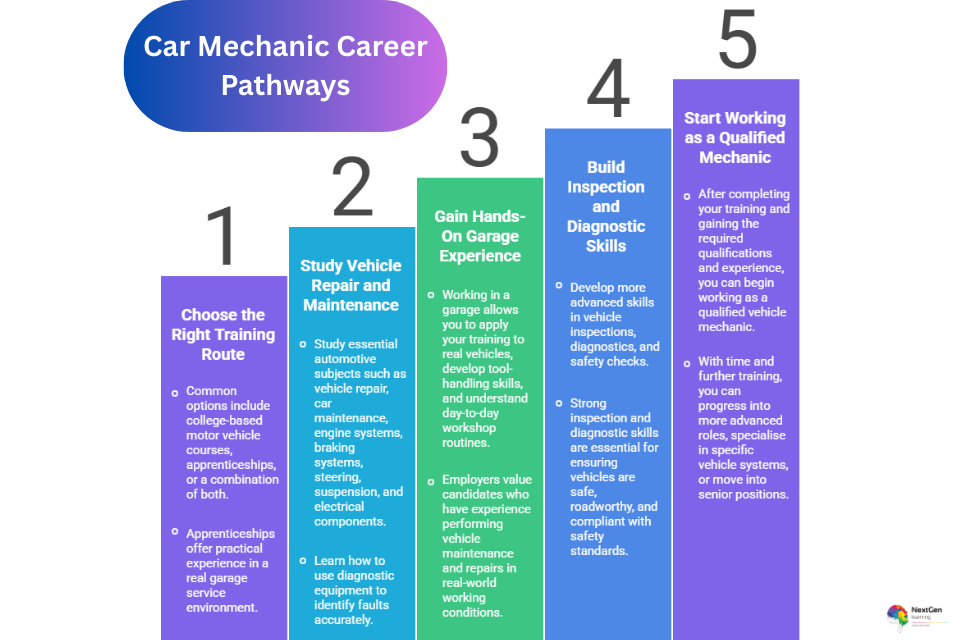
Step 1: Choose the Right Training Route
The first step is deciding how you will gain your initial automotive training. Common options include college-based motor vehicle courses, apprenticeships, or a combination of both. College courses provide structured learning in vehicle systems, diagnostics, and safety procedures, while apprenticeships allow you to earn a wage while learning on the job.
Apprenticeships are particularly popular in the UK because they offer practical experience in a real garage service environment, helping learners build workplace skills alongside formal qualifications. Choosing the right route depends on your age, experience, and learning preferences.
Step 2: Study Vehicle Repair and Maintenance
Once enrolled in training, you will study essential automotive subjects such as vehicle repair, car maintenance, engine systems, braking systems, steering, suspension, and electrical components. You will also learn how to use diagnostic equipment to identify faults accurately.
This stage builds the technical foundation needed to work safely with modern vehicles. Understanding servicing procedures, repair methods, and manufacturer guidelines is critical for developing confidence and competence as a car mechanic.
Step 3: Gain Hands-On Garage Experience
Practical experience is a key requirement for becoming employable as a car mechanic. Working in a garage allows you to apply your training to real vehicles, develop tool-handling skills, and understand day-to-day workshop routines.
Employers value candidates who have experience performing vehicle maintenance and repairs in real-world working conditions. This experience also helps you learn how to manage time effectively, follow job cards, and work as part of a team within a professional garage setting.
Step 4: Build Inspection and Diagnostic Skills
As your experience grows, you will develop more advanced skills in vehicle inspections, diagnostics, and safety checks. This includes identifying mechanical and electrical faults, assessing wear and damage, and determining the most suitable repair solutions.
Strong inspection and diagnostic skills are essential for ensuring vehicles are safe, roadworthy, and compliant with safety standards. These skills also increase employability and open the door to more specialised automotive roles.
Step 5: Start Working as a Qualified Mechanic
After completing your training and gaining the required qualifications and experience, you can begin working as a qualified vehicle mechanic. Entry-level roles allow you to continue learning while carrying out routine servicing and repairs under supervision.
With time and further training, you can progress into more advanced roles, specialise in specific vehicle systems, or move into senior positions. Many mechanics also choose to gain additional certifications or specialise in areas such as diagnostics, hybrid and electric vehicles, or MOT testing to support long-term career progression.
How Long Does It Take to Become a Car Mechanic?
The time it takes to become a car mechanic in the UK depends on the training route you choose, your previous experience, and how quickly you complete your qualifications. There is no single timeline, but most people follow one of the pathways below.
- College-based motor vehicle courses typically take 1 to 3 years
- Apprenticeships usually take 2 to 3 years, combining work and study
- Entry through work-based experience may take longer without formal training
- Most learners become qualified vehicle mechanics within 2 to 4 years
- Additional training can support specialisation and career progression
For those starting with a college-based motor vehicle course, training typically takes 1 to 3 years. Level 2 qualifications can often be completed within one year, while progressing to Level 3 may take an additional one to two years. This route provides strong theoretical knowledge alongside practical workshop training.
If you choose an apprenticeship, the process usually takes 2 to 3 years. Apprenticeships combine paid employment with structured learning, allowing you to gain hands-on garage service experience while working towards recognised mechanic qualifications. This is one of the most popular routes for becoming job-ready.
Some learners enter the industry with basic experience and then complete additional training while working. In these cases, it may take longer to reach a fully qualified level, but practical vehicle repair and maintenance experience gained on the job can be highly valuable.
Overall, most people can expect to become a qualified vehicle mechanic within 2 to 4 years, depending on the pathway chosen and the level of specialisation they pursue.
Skills You Need to Be a Successful Vehicle Mechanic
To succeed as a vehicle mechanic, you need a combination of technical ability, practical experience, and personal skills. While mechanical qualifications provide the foundation, employers also look for individuals who can apply their knowledge effectively in real-world situations.
Key Skills Summary
To be successful as a vehicle mechanic, you should develop the following core skills:
- Strong technical knowledge of vehicle repair, maintenance, and inspections
- Ability to use diagnostic tools and work with modern vehicle systems
- Effective problem-solving and fault-finding skills
- High attention to detail to ensure safety and quality of repairs
- Clear communication skills for working with customers and team members
- Ability to work efficiently in a garage service environment
- Willingness to learn and adapt to new automotive technologies
Strong technical skills are essential. This includes understanding vehicle systems, carrying out vehicle repair and maintenance, using diagnostic tools, and completing vehicle inspections accurately. As modern vehicles become more complex, mechanics must also be comfortable working with electronic systems and evolving automotive technology.
Problem-solving skills are equally important. Mechanics must be able to identify faults, assess the best repair solution, and work efficiently under time constraints. Attention to detail is critical, as small errors can lead to safety risks or repeat repairs.
In addition to technical ability, successful mechanics need good communication skills. Explaining issues clearly to customers or colleagues, keeping accurate records, and working as part of a team in a garage service environment are all key parts of the role.
Finally, a willingness to learn and adapt is vital. The automotive industry continues to evolve, and mechanics who keep their skills up to date through training and experience are more likely to progress and remain in demand.
Developing these skills alongside recognised mechanic qualifications and hands-on experience will help you build a reliable, long-term career as a car mechanic.
Car Mechanic Salary in the UK
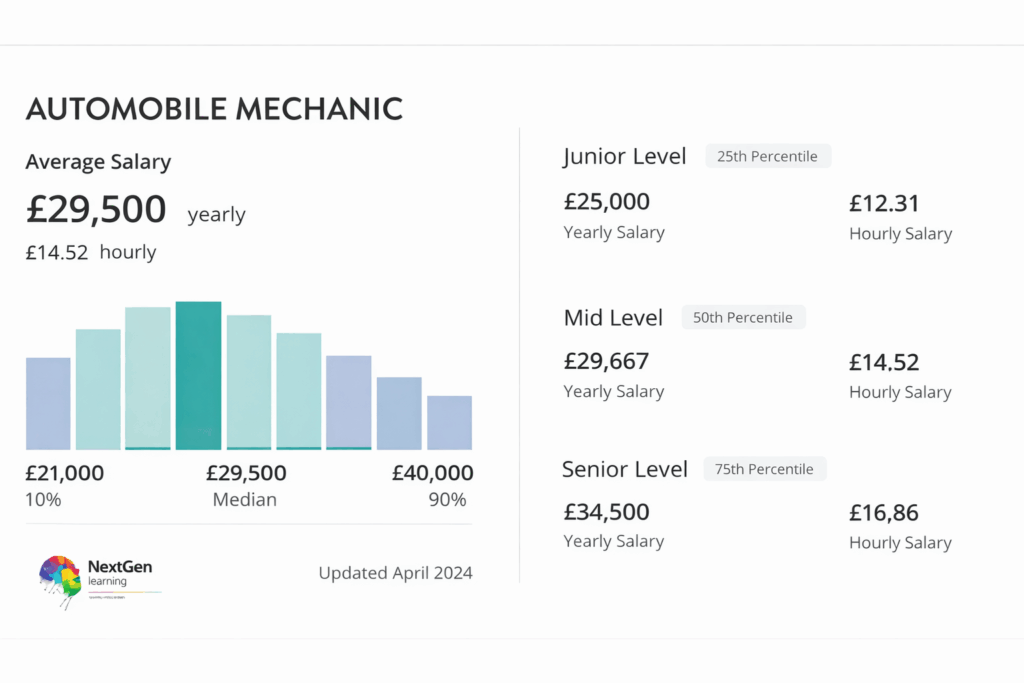
The salary of a car mechanic in the UK varies depending on experience, qualifications, location, and the type of garage or employer. As mechanics gain skills and take on more responsibility, earning potential increases significantly.
Entry-Level Car Mechanic Salary
Entry-level car mechanics or trainees typically earn between £18,000 and £22,000 per year. At this stage, mechanics usually carry out basic vehicle maintenance, servicing tasks, and routine repairs under supervision while continuing to build experience.
Experienced Car Mechanic Salary
With experience and recognised mechanic qualifications, salaries usually range from £25,000 to £35,000 per year. Experienced mechanics handle a wider range of vehicle repairs, diagnostics, and inspections and often work more independently within a garage service environment.
Senior or Specialist Car Mechanic Salary
Senior mechanics, diagnostic technicians, or specialists in areas such as electric vehicles or MOT testing can earn £35,000 to £45,000+ per year. Those in supervisory roles or with specialist certifications may earn even more, particularly in high-demand locations.
Self-Employed and Workshop Owners
Self-employed mechanics or garage owners have the potential to earn higher incomes depending on workload, reputation, and business success. Earnings can vary widely but may exceed those of salaried roles with the right experience and customer base.
Overall, becoming a car mechanic offers competitive earning potential with clear opportunities for progression as skills and experience grow.
Career Progression for Car and Vehicle Mechanics
A career as a car mechanic offers multiple progression routes, depending on experience, qualifications, and areas of specialism. As skills develop, mechanics can move into senior, specialist, or management roles within the automotive industry.
Below are some of the most common and in-demand career paths for car and vehicle mechanics in the UK.
Vehicle Technician
Average UK salary: £22,000 – £30,000 per year
Vehicle technicians carry out routine vehicle repair and maintenance, servicing, diagnostics, and mechanical repairs. This role is often the first step after qualifying and provides broad experience across different vehicle systems.
Diagnostic Technician
Average UK salary: £30,000 – £40,000 per year
Diagnostic technicians specialise in identifying complex vehicle faults using advanced diagnostic equipment. This role requires strong problem-solving skills and in-depth knowledge of electronic and mechanical systems.
MOT Tester
Average UK salary: £28,000 – £38,000 per year
MOT testers are qualified to carry out official vehicle inspections and safety checks. This role adds responsibility and improves employability, as MOT testing is a key service within many garage environments.
Senior Vehicle Mechanic
Average UK salary: £32,000 – £45,000 per year
Senior mechanics oversee complex repairs, support junior staff, and ensure quality standards are met. This role often involves leadership responsibilities alongside hands-on mechanical work.
Electric and Hybrid Vehicle Technician
Average UK salary: £35,000 – £50,000 per year
With the growth of electric vehicles, technicians specialising in EV and hybrid systems are in high demand. This role focuses on battery systems, high-voltage components, and modern vehicle technology.
Workshop Controller / Garage Supervisor
Average UK salary: £35,000 – £45,000 per year
Workshop controllers manage daily garage operations, allocate work, and ensure repairs are completed efficiently. This role suits experienced mechanics looking to move into management while staying within a garage service environment.
Self-Employed Mechanic / Garage Owner
Average UK earnings: £40,000+ per year (variable)
Self-employed mechanics or garage owners manage their own business, offering vehicle repairs, servicing, and inspections. Earnings depend on workload, reputation, and location, but can exceed salaried roles.
Automotive Trainer or Assessor
Average UK salary: £30,000 – £45,000 per year
Experienced mechanics can move into training or assessment roles, teaching vehicle repair skills or assessing apprentices and learners. This path suits those interested in education and professional development.
✔ Career Progression Summary
Progressing as a vehicle mechanic allows you to:
- Increase earning potential
- Specialise in a high-demand areas
- Move into leadership or self-employment.
- Adapt to evolving automotive technology.
With the right experience and mechanical qualifications, the automotive industry offers long-term, flexible career growth.
Can You Become a Car Mechanic Without Qualifications?
It is possible to start working in the automotive industry without formal qualifications, but becoming a fully recognised car mechanic in the UK usually requires training and certified skills. Employers increasingly expect mechanics to demonstrate competence through recognised mechanic qualifications, especially for safety-critical work.
Some people enter the industry as trainees or garage assistants, learning basic tasks such as servicing support, cleaning components, and assisting qualified mechanics. While this route provides valuable hands-on experience, progression can be limited without formal training in vehicle repair and maintenance.
Qualifications become especially important when carrying out complex repairs, diagnostics, or vehicle inspections and safety checks. Many garages require Level 2 or Level 3 automotive qualifications to meet insurance, safety, and quality standards. Without these credentials, mechanics may struggle to access higher-paying or specialist roles.
That said, practical experience combined with later training is a common pathway. Many mechanics begin with on-the-job learning and then complete formal courses or apprenticeships to strengthen their skills and improve employability. This approach allows individuals to gain experience while working towards recognised qualifications.
In summary, while you can enter the industry without qualifications, gaining proper training is essential for long-term career progression, higher salaries, and professional recognition as a vehicle mechanic.

How to Start Your Car Mechanic Career Today
Getting Started Summary
To begin your journey as a car mechanic, focus on taking practical and achievable steps, including:
- Researching suitable mechanic qualifications and training routes
- Choosing between college courses, apprenticeships, or work-based learning
- Gaining hands-on experience in a garage service environment
- Developing core skills in vehicle repair and maintenance
- Building problem-solving, communication, and safety awareness skills
- Keeping skills up to date with modern vehicle technology
Starting a career as a car mechanic begins with understanding your options and taking practical steps toward training and experience. Whether you are leaving school, changing careers, or looking to upskill, the automotive industry offers accessible entry routes for motivated learners.
Begin by researching suitable mechanic qualifications and training pathways, such as college-based motor vehicle courses or apprenticeships. These options provide structured learning in vehicle repair, car maintenance, diagnostics, and safety procedures, helping you build essential technical knowledge from the outset.
Gaining hands-on experience is equally important. Look for opportunities to work or volunteer in a garage service environment, even in entry-level roles. Practical exposure helps you develop confidence, understand workshop routines, and apply what you learn in real-world settings.
You should also focus on building transferable skills, such as problem-solving, communication, and attention to detail. These skills are highly valued by employers and support progression within the automotive industry. Keeping up to date with new vehicle technologies, including electric and hybrid systems, will further strengthen your employability.
By combining training, experience, and ongoing skill development, you can take the first steps toward a successful and long-term career as a vehicle mechanic in the UK.
Conclusion
Becoming a car mechanic in the UK is a practical and achievable career path with strong long-term prospects. By choosing the right training route, gaining hands-on garage experience, and developing key vehicle repair and maintenance skills, you can build a stable and rewarding career in the automotive industry.
Whether you start through formal qualifications, an apprenticeship, or entry-level garage work, consistent learning and experience are essential. With the growing demand for skilled vehicle mechanics and evolving automotive technology, now is a strong time to begin your journey into this profession.
Frequently Asked Questions - Car Mechanic:
To become a car mechanic in the UK, you typically complete a motor vehicle course or apprenticeship, gain hands-on garage experience, and achieve recognised mechanic qualifications. Most employers look for Level 2 or Level 3 automotive training combined with practical skills.
It usually takes 2 to 4 years to become a qualified car mechanic in the UK. The timeline depends on whether you choose a college course, apprenticeship, or work-based route and how quickly you progress through required qualifications.
Most car mechanics hold Level 2 and Level 3 motor vehicle qualifications or complete an apprenticeship. GCSEs in Maths, English, and Science are often useful. Ongoing training helps mechanics stay current with modern vehicle systems and technology.
Yes, you can start as a trainee or garage assistant without college, but long-term progression usually requires formal qualifications. Most employers expect certified skills for vehicle repair, diagnostics, and safety-related work.
The fastest route is usually an apprenticeship, as it combines paid work with structured training. This allows you to gain real garage experience while working towards recognised mechanic qualifications at the same time.
Car mechanic salaries in the UK typically range from £18,000–£22,000 for entry-level roles, £25,000–£35,000 for experienced mechanics, and £40,000+ for senior or specialist positions, depending on skills and location.
Yes, car mechanics can earn good money in the UK, especially with experience and specialisation. Mechanics with diagnostic, MOT, or electric vehicle skills often earn higher salaries and have stronger long-term career prospects.
Being a car mechanic can be well paid with experience and additional qualifications. While starting salaries are modest, progression into senior, specialist, or management roles can significantly increase earning potential.
Most car mechanics hold Level 2 and Level 3 motor vehicle qualifications or complete an apprenticeship. GCSEs in Maths, English, and Science are often useful. Ongoing training helps mechanics stay current with modern vehicle systems and technology.
Specialist mechanics earn the highest salaries. Roles such as electric vehicle technicians, diagnostic technicians, and motorsport mechanics typically pay more due to advanced technical skills and industry demand.
No, 35 is not too old to become a mechanic. Career changers often succeed in automotive roles by combining training with practical experience. The industry values hands-on skills and problem-solving ability, regardless of age.
It is rarely too late to become a car mechanic. With the right training and commitment, people of all ages can enter the automotive industry and build a stable, long-term career.
A car mechanic inspects, services, and repairs vehicles to keep them safe and roadworthy. Daily tasks include vehicle maintenance, fault diagnosis, mechanical repairs, and safety checks on key vehicle systems.
In the UK, a car mechanic may also be called a vehicle mechanic, vehicle technician, automotive technician, or motor vehicle technician, depending on the role and level of specialisation.
Car mechanics need strong technical skills, problem-solving ability, attention to detail, and good communication skills. Understanding vehicle systems, diagnostics, and safety procedures is essential, along with the ability to work effectively in a garage environment.
Training to become a mechanic typically takes 1 to 3 years through college courses or 2 to 3 years via an apprenticeship. Full qualification may take longer depending on experience and specialisation.
The highest paid mechanic roles include electric and hybrid vehicle technicians, motorsport mechanics, and senior diagnostic technicians, where advanced technical expertise and specialist knowledge are required.
Specialist mechanics in the UK often earn between £35,000 and £50,000+ per year, depending on their expertise, industry sector, and location. High-demand specialisms typically command higher salaries.

0 responses on "How to Become a Car Mechanic in the UK (5 Easy Step-by-Step Guide)"