





Are You Checking Your Engine Oil Often Enough?
What if a simple 5-minute routine could prevent serious engine damage and save you hundreds if not thousands of pounds in repair costs?
Therefore, learning how to check engine oil level is one of the most important yet overlooked aspects of car maintenance. Many UK drivers rely solely on dashboard warning lights, but by the time those alerts appear, your engine could already be under serious stress.
However, Engine oil is often referred to as the lifeblood of your car. It lubricates moving parts, reduces friction, prevents overheating, and even helps clean internal engine components. Without the right oil level, your vehicle’s performance drops, fuel efficiency decreases, and long-term engine damage becomes inevitable.
According to the RAC, poor vehicle maintenance including low oil levels is one of the leading causes of breakdowns in the UK. This makes regular oil checks not just a recommendation, but a necessity.
In this complete guide, you’ll learn:
- How to check engine oil level correctly
- How to top up engine oil safely
- Signs your oil needs changing
- Common mistakes to avoid
And if you’re looking to go beyond basic maintenance and truly understand how vehicles work, structured learning such as Car Mechanic and Repair Training Diploma can help you build practical, job-ready skills in automotive care.
Table of Contents
Why Checking Engine Oil Is Essential for Your Car
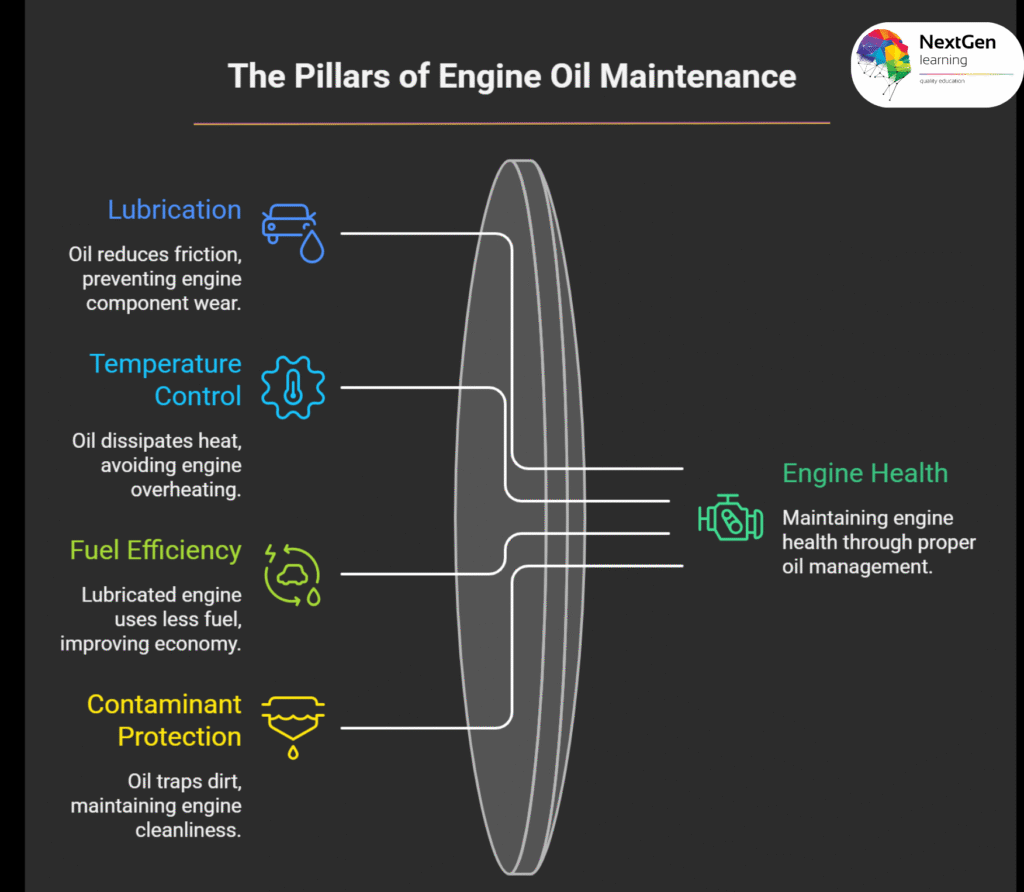
Understanding engine oil maintenance isn’t just for mechanics, it’s for every driver who wants to avoid costly repairs. So, you should know:
Engine Lubrication and Reduced Wear
Your engine contains hundreds of moving metal components. Engine oil creates a protective layer between them, reducing friction and preventing wear. Without sufficient oil, these parts grind against each other, leading to irreversible damage.
Temperature Control and Cooling
Oil helps dissipate heat generated by the engine. Low oil levels can cause overheating, which is one of the fastest ways to damage your engine permanently.
Improved Fuel Efficiency
A well-lubricated engine runs more smoothly, requiring less energy (and fuel) to operate. Regular oil checks can therefore improve fuel economy.
Protection Against Contaminants
Oil also traps dirt, debris, and microscopic particles. Over time, dirty oil loses effectiveness, making regular checks and changes critical.
For deeper technical insight into how lubrication systems work, resources from Institution of Mechanical Engineers explain how proper lubrication directly impacts engine longevity and efficiency.
How Often Should You Check Engine Oil? (UK Drivers Guide)
One of the most common questions is: How often should you check engine oil?
General Recommendation
Most experts recommend checking your engine oil:
- At least once a week
- Before long journeys
- After long periods of inactivity
Older vs Newer Vehicles
Older cars tend to consume more oil, meaning more frequent checks are required. Newer vehicles may have sensors, but manual checks are still more reliable.
Don’t Rely Only on Warning Lights
Dashboard warnings often indicate that oil levels are already critically low. Manual checks using a dipstick provide early detection.
The Driver and Vehicle Standards Agency also advises regular vehicle checks including oil to ensure roadworthiness and safety.
What You Need Before Checking Engine Oil
Before learning how to check engine oil level, make sure you have the right tools ready.
Essential Items
- Clean rag or cloth
- Correct engine oil for your car
- Funnel (for topping up)
- Protective gloves
Having the correct oil type is crucial. Using the wrong oil can reduce performance or even damage your engine.
Step-by-Step Guide: How to Check Engine Oil Level
This is the most important section—and the one most likely to rank for featured snippets.
Prepare Your Car Properly
Before checking:
- Park your car on a flat surface
- Turn off the engine
- Wait at least 10–20 minutes for the engine to cool
This ensures an accurate oil reading and prevents burns.
Locate and Use the Dipstick
Open the bonnet and locate the dipstick usually marked with a bright handle.
Follow these steps:
- Pull the dipstick out carefully
- Wipe it clean with a cloth
- Reinsert it fully
- Pull it out again to check the level
Read the Oil Level Correctly
The dipstick will show two markers:
- Minimum level (low)
- Maximum level (full)
Your oil level should sit between these two marks.
If the oil is:
- Below minimum → Top up immediately
- Within range → Safe
- Above maximum → Risk of overfilling
Understanding how to read a dipstick correctly is a fundamental skill covered in many practical automotive training such as the Car Mechanic and Repair Training Diploma, where learners gain hands-on knowledge of vehicle systems.
How to Top Up Engine Oil Safely
If your oil level is low, you’ll need to top up engine oil, but it must be done carefully. So follow below steps:
Choose the Right Engine Oil
Always:
- Check your car manual
- Match the correct viscosity (e.g., 5W-30)
- Use recommended oil specifications
You can also use manufacturer tools or trusted retailers for guidance.
Add Oil Step by Step
Follow this safe process:
- Unscrew the oil filler cap
- Insert a funnel
- Add a small amount of oil
- Wait a minute for it to settle
- Recheck using the dipstick
Repeat until the oil reaches the correct level.
Avoid Overfilling
Too much oil can:
- Increase pressure in the engine
- Cause leaks
- Damage seals and components
Always aim slightly below the maximum mark.
Signs Your Engine Oil Needs Changing
Even if your oil level is correct, it may still need replacing.
Common Warning Signs
- Dark, dirty oil
- Engine knocking or unusual noise
- Burning smell from engine
- Reduced fuel efficiency
- Oil warning light
Ignoring these signs can lead to severe engine damage.
According to Halfords, failing to change oil regularly is one of the most common causes of long-term engine wear in UK vehicles.
How to Change Engine Oil (Beginner Overview)
While checking and topping up oil is simple, changing oil requires a bit more effort.
Basic Process Overview
- Drain old oil from the sump
- Replace the drain plug
- Add fresh oil gradually
- Check levels carefully
You’ll also need to dispose of used oil responsibly. In the UK, local recycling centres accept used engine oil safely.
If you want to confidently perform tasks like oil changes and more advanced repairs, a structured learning of Car Mechanic and Repair Training Diploma can help you build both confidence and technical expertise.
Common Engine Oil Problems and Solutions
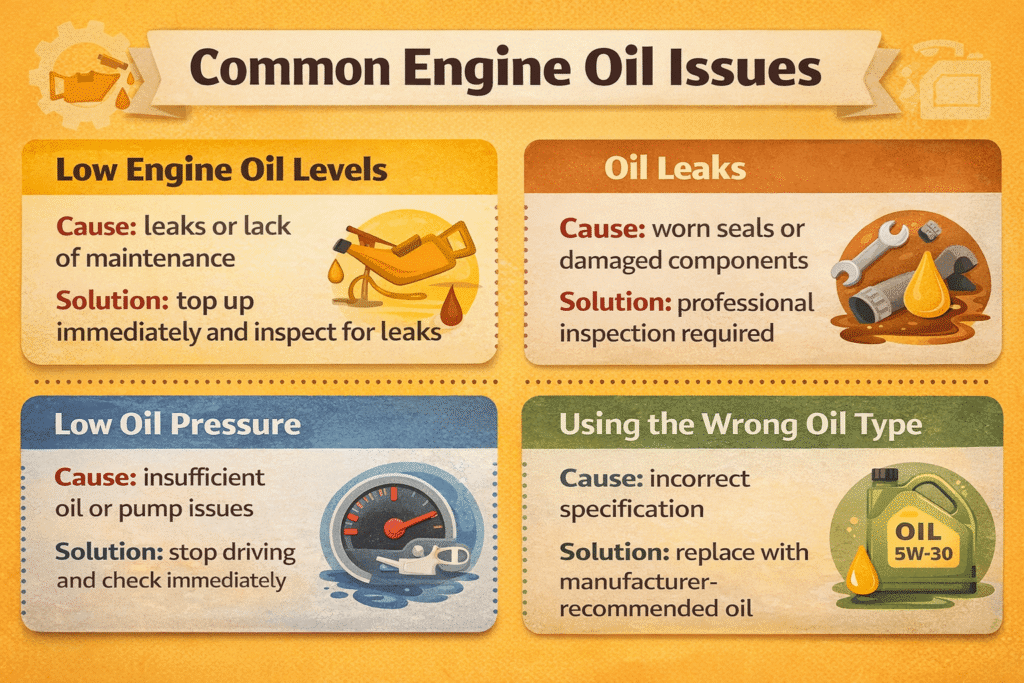
Understanding common issues helps you act quickly before serious damage occurs. If you’re unsure how to check engine oil level correctly, it’s important to follow proper steps before diagnosing any issue.
Low Engine Oil Levels
Cause: leaks or lack of maintenance
Solution: top up immediately and inspect for leaks
Oil Leaks
Cause: worn seals or damaged components
Solution: professional inspection required
Low Oil Pressure
Cause: insufficient oil or pump issues
Solution: stop driving and check immediately
Using the Wrong Oil Type
Cause: incorrect specification
Solution: replace with manufacturer-recommended oil
Choosing the Right Engine Oil (Synthetic vs Conventional)
Selecting the correct oil is just as important as knowing how to check engine oil level. Using the wrong oil type can reduce engine efficiency and even cause long-term damage.
Understanding Oil Types
There are three main types of engine oil:
- Conventional oil – Basic protection, suitable for older vehicles
- Semi-synthetic oil – Balanced performance and affordability
- Fully synthetic oil – Advanced protection, better performance, and longer lifespan
Fully synthetic oils are widely recommended by modern manufacturers due to their superior lubrication and ability to perform in extreme temperatures.
Why Synthetic Oil Is Often the Best Choice
Synthetic oil offers several advantages:
- Better engine protection and reduced wear
- Improved fuel efficiency
- Longer intervals between oil changes
- Lower emissions and environmental impact
According to the Energy Saving Trust, maintaining your vehicle efficiently—including using high-quality oil—can help reduce emissions and improve fuel economy.
How to Choose the Right Oil for Your Car
Always consider:
- Manufacturer recommendations
- Oil viscosity (e.g., 5W-30, 10W-40)
- Driving conditions (city, motorway, heavy loads)
If you’re unsure, consult your vehicle manual or a trusted mechanic.
Engine Oil Maintenance Tips for Long-Term Performance
Regular maintenance is key to extending your vehicle’s lifespan and avoiding unexpected breakdowns.
Check Oil Regularly
Consistency is everything. Weekly checks help you detect issues early and prevent engine damage.
Keep a Maintenance Record
Tracking oil checks and changes helps you stay organised and maintain your car’s value.
Use High-Quality Oil
Cheap or incorrect oil can reduce performance and increase wear.
Don’t Ignore Warning Signs
Dashboard alerts, unusual noises, or smoke should never be ignored.
Inspect for Leaks
Even small leaks can lead to significant oil loss over time.
Learning these habits is a great starting point, but if you want to confidently handle broader vehicle maintenance tasks, structured learning like the Car Mechanic and Repair Training Diploma can help you develop real-world automotive skills beyond basic checks.
When Should You Seek Professional Help?
While many oil-related tasks can be done at home, some situations require expert attention.
You should consult a professional if:
- Oil levels drop frequently
- You notice visible oil leaks
- The engine makes unusual noises
- Oil pressure warning light stays on
- You’re unsure about the correct oil type
Professional servicing ensures your vehicle remains safe and roadworthy. Regular servicing is also essential for passing MOT checks in the UK.
For official maintenance standards and safety guidelines, you can refer to GOV.UK MOT guidelines.
Conclusion: A Simple Habit That Protects Your Engine
Knowing how to check engine oil level is one of the simplest yet most powerful ways to protect your vehicle.
By spending just a few minutes each week, you can:
- Prevent costly engine damage
- Improve fuel efficiency
- Extend your car’s lifespan
- Drive with confidence
Whether you’re topping up oil or identifying early warning signs, these small actions make a big difference.
And if you’re interested in taking your knowledge further perhaps even turning it into a practical skillset learning through Car Mechanic and Repair Training Diploma can open doors to both personal confidence and career opportunities in automotive maintenance.
Frequently Asked Questions
To check your engine oil level at home, park your car on a flat surface, turn off the engine, and wait for it to cool. Locate the dipstick, remove it, wipe it clean, and reinsert it fully. Pull it out again to read the oil level between the minimum and maximum markers. This simple process ensures your engine is properly lubricated and helps prevent long-term damage.
It is recommended to check your engine oil level at least once a week and before long journeys. Regular checks are especially important for older vehicles or cars that are frequently used. Relying only on dashboard warning lights is risky, as they often indicate a problem too late. Consistent manual checks help maintain engine performance and safety.
If your engine oil level is too low, the engine components will not be properly lubricated. This increases friction, leading to overheating and potential engine failure. Continued driving in this condition can result in costly repairs or complete engine replacement. That’s why it’s essential to check and top up your oil regularly.
Driving with low engine oil is strongly discouraged. Even short distances can cause significant damage to internal engine parts due to increased friction and heat. If you notice low oil levels, you should top up immediately before driving. Ignoring this issue can lead to severe and expensive mechanical problems.
To top up engine oil safely, first ensure your engine is cool and parked on a flat surface. Remove the oil filler cap, use a funnel, and add small amounts of oil gradually. After each addition, check the level using the dipstick. Avoid overfilling, as too much oil can be just as harmful as too little.
The best engine oil depends on your vehicle’s manufacturer recommendations, which can be found in the owner’s manual. Most modern cars benefit from fully synthetic oil due to its superior performance and protection. Choosing the correct viscosity and specification is crucial for maintaining engine health. When in doubt, consult a professional or trusted supplier.



0 responses on "Are You Checking Your Engine Oil Often Enough?"