





How Much Do Car Mechanics Earn in the UK in 2026? Salary Breakdown, Career Progression & Pay Growth
Choosing a career in today’s competitive job market requires careful consideration, especially if you are aiming for long-term stability, practical skills, and consistent demand. Therefore, many people are now turning towards skilled trades rather than traditional office-based roles. One of the most reliable and respected options is becoming a car mechanic or working as a vehicle technician within the automotive industry. However, before committing to this career path, it is important to understand the realistic mechanic salary, how mechanic pay develops over time, and what long-term mechanic earnings actually look like in the UK.
Moreover, when researching this profession, you will often come across different job titles across the automotive sector, including vehicle technician and automotive technician. Although these roles may seem similar at first glance, they often involve different responsibilities, skill levels, and earning potential. As a result, understanding these distinctions can play a crucial role in shaping your career choices and income expectations.
This in-depth 2026 guide explains how much car mechanics earn in the UK, why salaries can vary significantly, how pay progresses throughout a mechanic’s career, and what practical steps genuinely help professionals increase their earnings. In addition, this article is written for beginners, career changers, and experienced professionals who want a clearer and more realistic understanding of income progression in the automotive trade.
Table of Contents
Car mechanic salary UK in 2026: a realistic and honest overview
To begin with, the average mechanic salary in the UK in 2026 typically falls between £25,000 and £38,000 per year. However, this range should not be viewed as a fixed benchmark. Instead, it reflects a broad average across different experience levels, regions, and workplace types.
For those just entering the industry, a car mechanic can expect to earn approximately £22,000 to £26,000. At this stage, mechanic pay is influenced heavily by training level and supervision requirements. As mechanics gain experience and demonstrate reliability, their earning potential improves steadily. Consequently, many fully qualified mechanics move into the £28,000 to £34,000 salary bracket within a few years.
Furthermore, experienced vehicle technician who specialise, work in dealerships, or handle advanced diagnostics often achieve mechanic earnings of £40,000 or more. Therefore, while the starting salary may seem modest, the long-term outlook is considerably stronger, particularly for those who commit to continuous skill development.
Mechanic, vehicle technician, and automotive technician: why the job title matters
Although many people use these titles interchangeably, employers often treat them very differently. As a result, job titles play a significant role in determining mechanic salary.
A car mechanic usually focuses on routine servicing, repairs, and part replacements. This role is essential in both independent garages and larger workshops. However, a vehicle technician typically works in dealership environments, using manufacturer-specific diagnostic equipment to identify complex electrical and mechanical faults. Due to the technical nature of this work, mechanic pay in these roles is often higher.
Meanwhile, an automotive technician is a broader term that frequently applies to specialists working with high-performance vehicles, advanced electronics, or electric and hybrid systems. Because these roles require deeper technical knowledge, they often deliver stronger long-term mechanical earnings.
Therefore, understanding and targeting the right job title can make a noticeable difference to income progression. You can find more detailed guidance here if you are considering formal training.
How experience shapes car mechanic pay over time
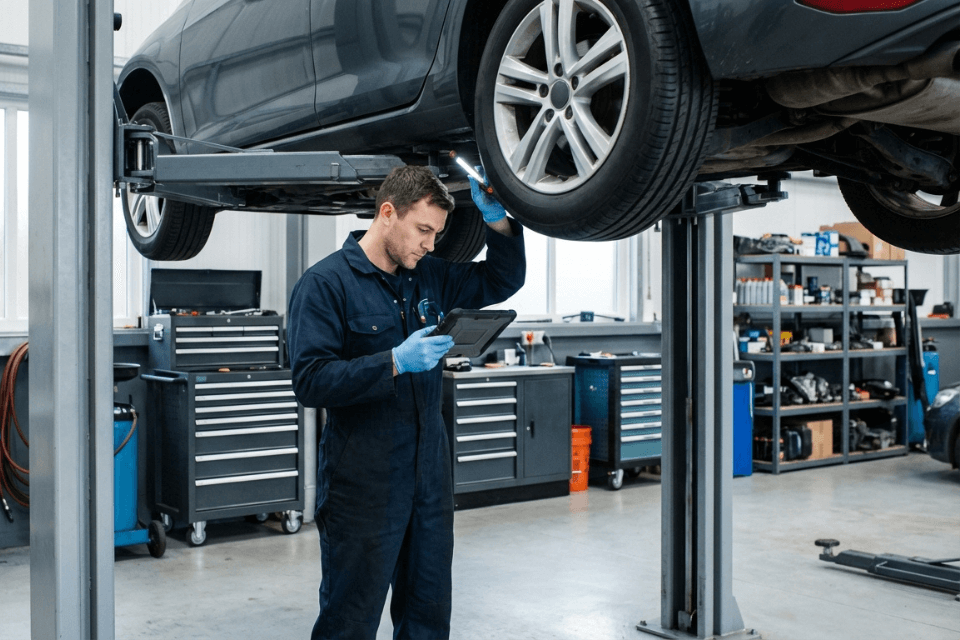
Experience remains one of the most influential factors affecting mechanic salary, although pay growth rarely happens automatically. Instead, earnings tend to increase in stages as responsibilities expand.
At the apprentice or entry-level stage, a car mechanic typically earns between £18,000 and £22,000 per year. Although this level of mechanic pay may feel low, it provides invaluable hands-on experience. More importantly, it allows individuals to develop practical workshop skills, which form the foundation for future mechanic earnings.
Once fully qualified, mechanics usually see their salary rise to around £25,000 to £30,000. At this stage, they work more independently, complete jobs more efficiently, and require less supervision. As a result, employers are more willing to increase mechanic pay.
With additional years of experience, many mechanics progress into senior or diagnostic roles. In these positions, mechanic earnings commonly reach £32,000 to £38,000. For those who continue to specialise, particularly as an automotive technician, salaries above £45,000 are achievable.
How workplace type influences mechanic salary
This image reflects a typical day in the life of a teaching assistant supporting pupils in a UK primary school.
Interestingly, where you work can influence mechanic salary just as much as your experience level. For example, main dealerships generally offer higher base mechanic pay, along with structured bonus schemes and clearer progression routes. These environments often reward productivity and technical expertise, which can significantly increase overall mechanic earnings.
Independent garages, on the other hand, may offer slightly lower salaries but provide broader hands-on experience and greater flexibility. Many mechanics value this variety, even if base mechanic pay is marginally lower.
Fleet maintenance roles are another option, often offering consistent hours and predictable mechanic earnings. These positions appeal to individuals who prioritise work-life balance. Meanwhile, mobile mechanics frequently command higher hourly rates, although income can fluctuate depending on demand, travel, and location.
Therefore, choosing the right workplace is a crucial factor in shaping long-term mechanic salary and income stability.
What genuinely increases mechanic salary in the long term
Many people assume that simply staying in the same role for several years will automatically increase mechanic salary. However, this assumption is rarely accurate. In reality, mechanic pay grows through deliberate effort and continuous learning.
Mechanics who invest time in improving diagnostic skills, understanding modern vehicle systems, and increasing efficiency tend to progress faster. Moreover, those who stay up to date with changes in automotive technology often enjoy stronger mechanic earnings than those who rely solely on traditional repair skills.
As a result, continuous professional development plays a critical role in long-term income growth within the automotive industry.

Regional differences in mechanic pay across the UK
Location also plays a significant role in determining mechanic salary. In London and other major cities, wages are generally higher due to demand and labour shortages. However, higher living costs can reduce take-home pay considerably.
Conversely, smaller towns and rural areas often offer lower mechanic pay, but living expenses are typically more affordable. Therefore, when assessing mechanic earnings, it is essential to consider both salary levels and overall cost of living.
Overtime, bonuses, and real take-home earnings
In addition to base mechanic salary, many roles include overtime and performance-based bonuses. Dealership mechanics, in particular, often benefit from productivity bonuses that significantly increase overall mechanic earnings.
Weekend work, evening shifts, and on-call duties can further boost income. Consequently, real-world mechanic pay is often higher than the basic salary advertised in job listings.
Can car mechanics realistically earn £40,000 or more in the UK?
Yes, earning over £40,000 is achievable, but it requires a clear and intentional career strategy. A car mechanic reaching this level typically works as a vehicle technician or automotive technician, holds advanced qualifications, and has strong diagnostic or EV-related skills.
Therefore, higher mechanic earnings are the result of planning, specialisation, and continuous improvement rather than chance.
Career progression and long-term pay growth
Most mechanics follow a structured progression path, beginning as apprentices, moving into qualified roles, and eventually advancing into senior or specialist positions. Over time, this progression supports steady increases in mechanic salary and overall mechanic pay.
As a result, those who remain committed to learning and professional growth often enjoy a financially stable and rewarding career with strong long-term mechanic earnings.
How to start a car mechanic career in the UK without experience
Starting a career without prior experience can feel overwhelming. Therefore, structured learning is often the most effective route into the automotive industry.
A Car Mechanic and Repair Training Diploma provides beginners and career changers with a solid understanding of vehicle systems, tools, and repair processes. Moreover, it builds confidence before entering a workshop environment, which can significantly improve employability and future mechanic salary prospects.
Future outlook: mechanic pay beyond 2026
Looking ahead, demand for skilled automotive professionals remains strong. Electric and hybrid vehicles continue to grow in popularity, increasing the need for technicians who understand modern systems. As a result, mechanic pay and mechanic earnings are expected to rise for those who stay up to date with industry changes.
Therefore, the long-term outlook for a career as a car mechanic in the UK remains positive and financially viable.
Final Thoughts: Is Becoming a Car Mechanic in the UK Worth It in 2026?
Overall, becoming a car mechanic in the UK remains a solid and reliable career choice in 2026. While the starting mechanic salary may be modest, mechanic pay increases steadily with experience, skill development, and career progression. In fact, long-term mechanic earnings can become very competitive for those who move into vehicle technician or automotive technician roles.
Moreover, the industry continues to evolve, creating strong demand for skilled professionals. Mechanics who invest in training, modern vehicle knowledge, and practical experience are far more likely to enjoy higher pay and long-term job security. Therefore, for individuals who prefer hands-on work and clear career growth, becoming a car mechanic in the UK is still very much worth considering.
Frequently Asked Questions About Car Mechanic Salary in the UK
In the UK, car mechanics typically earn between £25,000 and £38,000 per year, depending on experience, location, and skills. Entry-level mechanics earn less, while experienced specialists and vehicle technicians can earn £40,000 or more.
Yes, being a car mechanic is considered a good career in the UK in 2026 due to strong demand, skills shortages, and steady pay growth. Mechanics who upskill in diagnostics, EV systems, or move into vehicle technician roles benefit from better job security and higher earnings.
Generally, yes. A vehicle technician usually earns more than a standard car mechanic because the role involves advanced diagnostics, manufacturer systems, and higher technical responsibility, which increases mechanic pay and long-term earnings.
Mechanic salary increases most with qualifications related to diagnostics, modern vehicle systems, and structured training. Mechanics with recognised training and advanced technical skills often progress faster into higher-paying vehicle technician or automotive technician roles.
Yes, car mechanics can earn over £40,000 in the UK, especially if they gain experience, work in dealerships, specialise in diagnostics or EVs, or progress into vehicle technician or automotive technician positions.

0 responses on "How Much Do Car Mechanics Earn in the UK in 2026? Salary Breakdown, Career Progression & Pay Growth"