




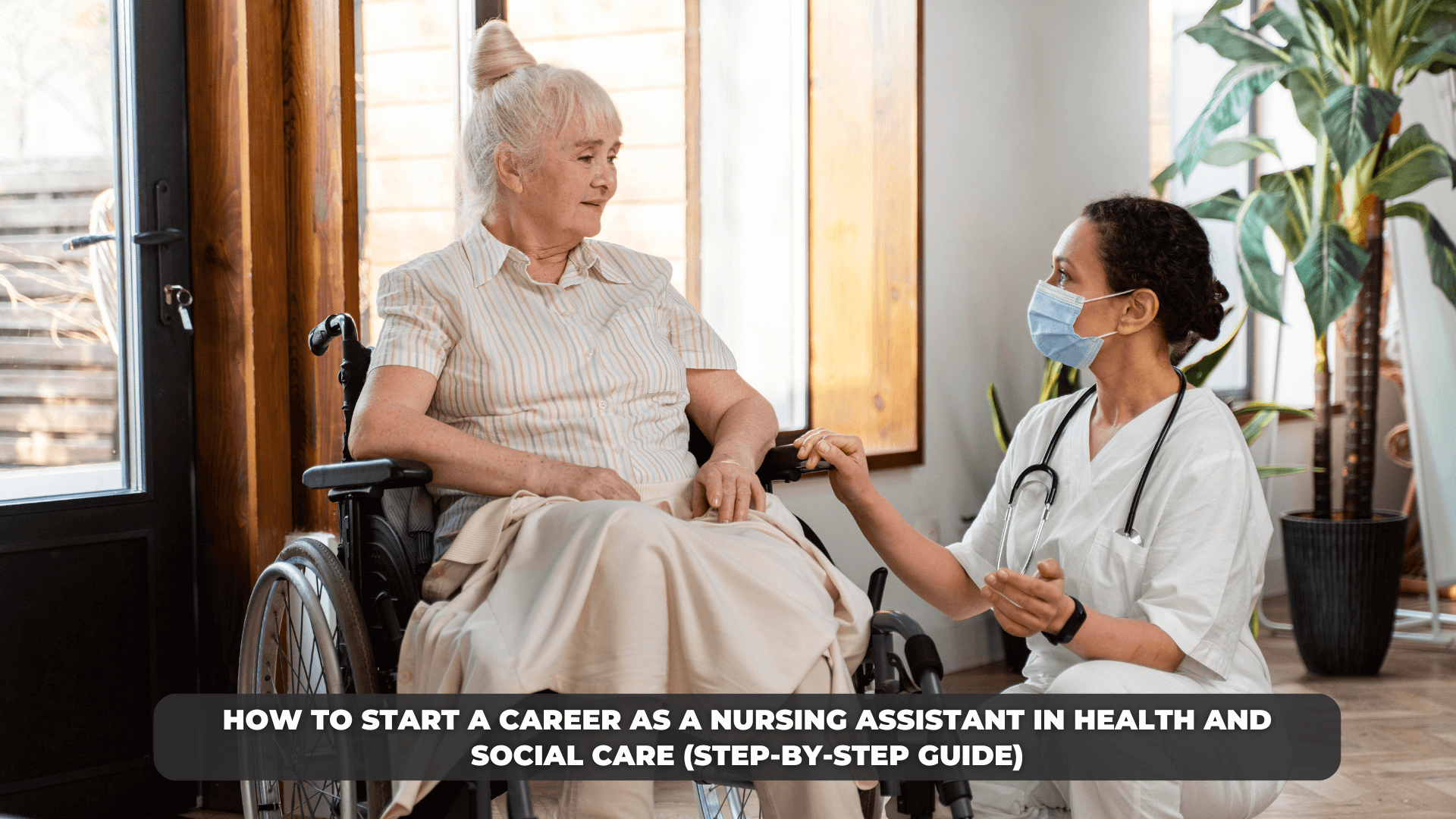
How to Start a Career as a Nursing Assistant in Health and Social Care (Step-by-Step Guide)
Starting a career in the UK care sector is both meaningful and reliable. Within Health and Social Care, frontline support roles offer strong job demand, structured progression, and the opportunity to make a genuine difference in people’s lives. Whether you are exploring Nursing Jobs, considering work as a Care Assistant, or researching long-term Healthcare Jobs and Social Care Jobs, this career pathway provides a real world and respected entry point into professional care.
This guide is written for individuals considering a professional career in Health and Social Care in the UK. The information reflects current care standards, employer expectations, and recognised training pathways across Nursing Jobs, Healthcare Jobs, and Social Care Jobs within regulated care environments.
As Health and Social Care services continue to expand nationwide, trained care professionals who support nursing teams are becoming increasingly essential to the UK care system.
Table of Contents
Understanding the Role in Health and Social Care
Working as a Nursing Assistant involves supporting nurses and clinical teams in delivering safe, person-centred care. This position focuses on helping patients with daily needs while maintaining dignity, comfort, and safety across different care settings.
Although the role shares similarities with a Care Assistant position, it often involves closer collaboration with nursing staff, particularly in hospitals and clinical environments. Because of this, many people view this role as a strong foundation for long-term progression within Nursing Jobs and Healthcare Jobs.
Across the UK care sector, this role is widely recognised as an accessible starting point for those entering Health and Social Care.
Key Responsibilities Within Care Settings
Professionals in this care role carry out a wide range of essential duties. On a daily basis, they support individuals with personal care, mobility, nutrition, and emotional reassurance. In addition, they assist nursing teams with basic clinical tasks such as monitoring observations and preparing care environments.
Within regulated Health and Social Care settings, maintaining hygiene standards and accurate care records is also a key responsibility. Clear communication with nurses and colleagues ensures continuity of care and patient safety.
While Care Assistant roles often focus on social support, this position operates more frequently within structured Healthcare Jobs where clinical awareness and consistency are vital.
Essential Skills for Working in the UK Care Sector
Success in this career pathway requires both personal qualities and real world skills. Compassion, patience, and empathy are fundamental in Health and Social Care, as individuals often rely on care staff during vulnerable moments.
Strong communication skills are equally important. Whether working in Nursing Jobs or wider Healthcare Jobs, the ability to share information clearly improves teamwork and care outcomes. Physical stamina, organisation, and adaptability are also essential, as care environments can be fast-paced and demanding.
Employers consistently value individuals who combine the right attitude with professional training and a commitment to care standards.
Qualifications and Training Needed in Health and Social Care
Although some entry-level roles offer workplace training, recognised qualifications significantly improve employability. In today’s Nursing Jobs market, employers increasingly expect candidates to understand professional responsibilities within a regulated care environment in the UK, as outlined by the Care Quality Commission.
A Level 3 Diploma in Health and Social Care provides a strong foundation in safeguarding, ethical practice, and professional standards. In addition, a Level 3 Diploma in Nursing Assistant Complete Training focuses specifically on the clinical support skills required when working alongside nursing teams.
Together, these qualifications prepare learners for Nursing Jobs, Healthcare Jobs, and Social Care Jobs across the UK, while also improving confidence and long-term career prospects.
Step-by-Step Guide to Entering This Career Pathway
Beginning a career in Health and Social Care is achievable when you follow a clear and structured pathway. Firstly, research different care settings to understand where your interests lie, such as hospitals, care homes, or community services.
Next, enrol in recognised training that aligns with employer expectations, such as a Level 3 Diploma in Health and Social Care or a Level 3 Diploma in Nursing Assistant Complete Training. These programmes provide essential knowledge and real world understanding of UK care standards.
After completing training, apply for entry-level Nursing Jobs or trainee Healthcare Jobs. Many employers actively seek trained candidates who demonstrate professionalism and awareness of care responsibilities. Over time, continued development leads to progression within the Health and Social Care sector.

Entering the Role Without Previous Experience
Many individuals successfully enter this career pathway without prior experience in Health and Social Care. Training-led routes allow learners to gain the knowledge employers expect before starting work.
Recruiters advertising Nursing Jobs often prioritise candidates who understand care principles, even if they are new to the sector. Completing recognised qualifications helps bridge the gap between learning and employment while improving confidence.
As a result, formal training can be just as valuable as experience at the entry level.
Comparing This Role With a Care Assistant Position
Although both roles are essential within Health and Social Care, there are key differences. A Care Assistant typically focuses on personal and social support, particularly within residential or community-based Social Care Jobs.
In contrast, a Nursing Assistant usually works more closely with nurses and clinical teams, especially in hospital or specialist environments. Because of this, the role often provides stronger exposure to Healthcare Jobs and clinical practices.
For individuals considering long-term progression or further study, this pathway often offers broader career development opportunities.
Work Settings Across Health and Social Care
Professionals in this role can work across a wide range of Health and Social Care environments, including NHS Healthcare Jobs in hospitals, as well as private clinics, rehabilitation centres, care homes, and community services.
As demand for Healthcare Jobs continues to grow, care providers across both public and private sectors rely on trained support staff. Similarly, Social Care Jobs require professionals who can manage complex needs while maintaining high standards of care.
This variety allows individuals to gain diverse experience across the UK care sector.
Career Opportunities and Nursing Jobs in the UK
Demand for Nursing Jobs remains consistently high throughout the UK. As a result, individuals entering this career pathway benefit from strong job security and long-term opportunities.
With experience, progression into specialist areas such as elderly care, mental health, or rehabilitation becomes possible. Many Healthcare Jobs also offer advancement into senior or supervisory roles.
Holding recognised Health and Social Care qualifications significantly improves access to higher-quality positions and structured career growth.
Broader Healthcare Jobs and Social Care Jobs Available
Training in this field opens doors beyond traditional Nursing Jobs. Graduates can apply for a wide range of Healthcare Jobs, including clinical support and specialist care roles.
Additionally, Social Care Jobs such as senior Care Assistant positions become accessible with the right qualifications. Because Health and Social Care skills are transferable, professionals can move between sectors as opportunities develop.
This flexibility strengthens employability and long-term career resilience.
Salary Expectations and Long-Term Career Growth
Earnings within Health and Social Care vary depending on location, employer, and experience. However, roles supporting nursing teams generally offer stable income and predictable progression.
As experience increases, opportunities within NHS Healthcare Jobs and private providers often come with improved pay and responsibility. Further qualifications can support advancement into leadership roles and higher-paid Nursing Jobs.
The UK care sector offers clear, regulated pathways for long-term career development.
Progression From Support Roles to Nursing Careers
Many professionals use this role as a stepping stone toward becoming a nurse. Experience gained within Health and Social Care provides valuable insight into patient care and clinical environments.
Starting with a Level 3 Diploma in Health and Social Care or a Level 3 Diploma in Nursing Assistant Complete Training builds a strong foundation. Over time, this experience supports applications for nursing degrees and advanced Healthcare Jobs.
This progression route makes the role especially attractive for individuals with long-term ambitions in care.
Final Thoughts
Entering the UK care sector through a Nursing Assistant pathway offers one of the most accessible and respected routes into Health and Social Care. With the right training, preparation, and commitment, individuals can secure stable Nursing Jobs and progress into advanced Healthcare Jobs over time.
If you are ready to take the first step with confidence, enrolling in a Level 3 Diploma in Health and Social Care or a Level 3 Diploma in Nursing Assistant Complete Training can significantly improve employability and career outcomes.
Frequently Asked Questions
To become a Nursing Assistant in the UK, formal qualifications are not always mandatory, but they significantly improve employability. Most employers prefer candidates with recognised training in Health and Social Care, such as a Level 3 Diploma in Health and Social Care or a Level 3 Diploma in Nursing Assistant Complete Training. These qualifications demonstrate understanding of safeguarding, care standards, and working in regulated care environments, which are essential for Nursing Jobs and Healthcare Jobs across the UK.
Yes, it is possible to work as a Nursing Assistant without prior experience, especially if you have completed recognised training. Many employers offering Nursing Jobs and Social Care Jobs actively recruit trained beginners who understand care responsibilities and professional standards. Completing a Level 3 qualification helps candidates enter the UK care sector confidently, even without previous hands-on experience.
In the UK, a Care Assistant typically focuses on personal and social support, often within residential or community-based Social Care Jobs. A Nursing Assistant, however, usually works more closely with nurses and clinical teams, particularly in hospitals and healthcare settings. Because of this, Nursing Assistant roles often provide stronger exposure to Healthcare Jobs and clearer progression opportunities within Health and Social Care.
Yes, Nursing Jobs are in high demand across the UK due to an ageing population and the continued growth of Health and Social Care services. Hospitals, care homes, clinics, and community services all rely on trained support staff. As a result, individuals with recognised Health and Social Care qualifications benefit from strong job security and long-term career opportunities.
Yes, many people use the Nursing Assistant role as a pathway into nursing. Experience gained in Health and Social Care helps individuals understand clinical environments and patient care. With additional study and the right qualifications, Nursing Assistants can progress into nursing degrees and advanced Healthcare Jobs, making this role an excellent long-term career foundation.



0 responses on "How to Start a Career as a Nursing Assistant in Health and Social Care (Step-by-Step Guide)"