




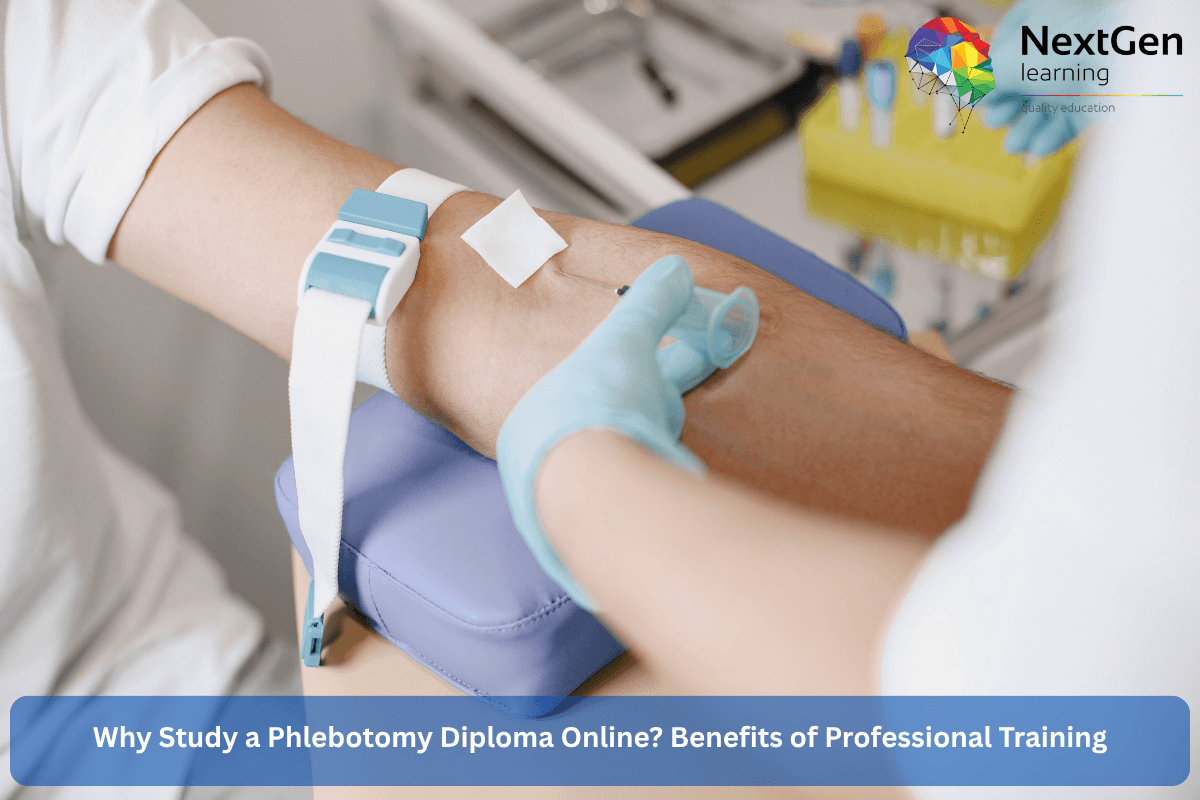
Why Study a Phlebotomy Diploma Online? Benefits of Professional Training
Introduction: Building a Healthcare Career Through Professional Training
Healthcare remains one of the most respected and stable career sectors worldwide. As medical science continues to evolve, accurate diagnostic testing has become essential for identifying diseases, monitoring treatments, and ensuring patient wellbeing. Among the many diagnostic procedures used in modern medicine, blood testing plays a particularly critical role. The professionals responsible for collecting blood samples safely and efficiently are known as phlebotomists.
Phlebotomy is a specialised skill that requires both technical knowledge and strong patient communication abilities. Healthcare professionals rely on correctly collected blood samples to make accurate clinical decisions. This is why trained phlebotomists are valued members of healthcare teams working in hospitals, clinics, diagnostic laboratories, and community health services.
For individuals interested in entering the healthcare sector, studying a Phlebotomy Diploma online offers an accessible and flexible pathway. Professional training provides structured education, practical knowledge, and recognised certification that can help learners begin or advance their healthcare careers. Online learning further enhances accessibility, allowing students to gain industry-relevant skills without disrupting their existing work or personal commitments.
In this guide, we will explore the major benefits of studying a phlebotomy diploma online, the skills students develop, and how professional training can open doors to rewarding healthcare opportunities.
Table of Contents
The Growing Importance of Phlebotomy in Modern Healthcare
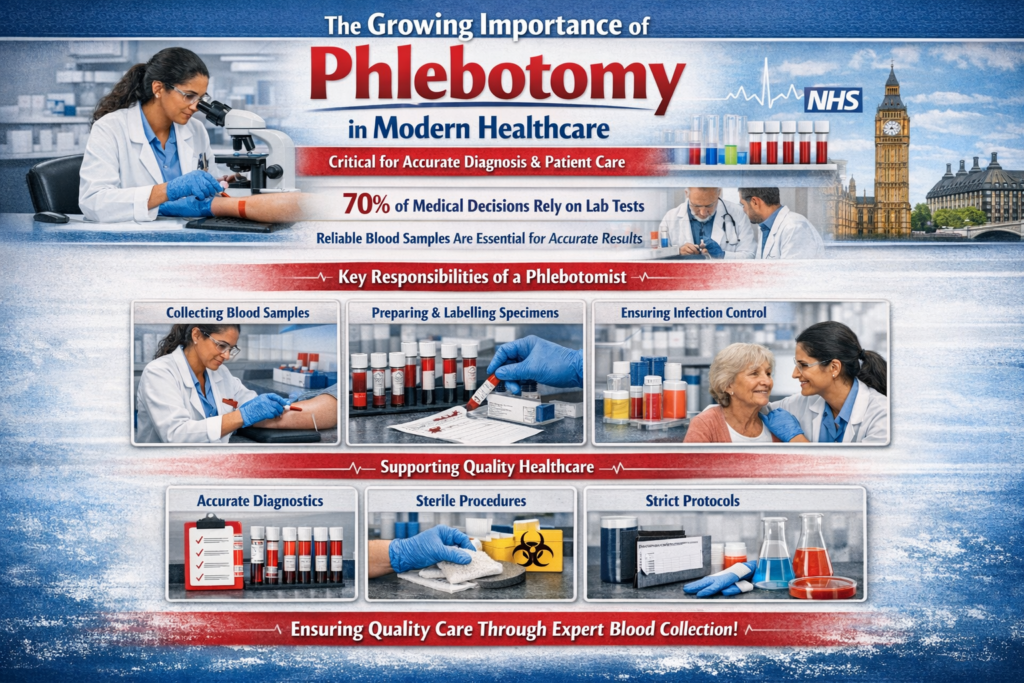
Healthcare systems rely heavily on laboratory testing to diagnose and monitor medical conditions. Blood tests help detect infections, identify chronic diseases, evaluate organ function, and monitor treatment progress. Because blood analysis provides critical insights into patient health, accurate blood collection procedures are essential.
According to the National Health Service, laboratory diagnostics support a large percentage of clinical decisions made by healthcare professionals. Without reliable blood samples, doctors and laboratory technicians would struggle to obtain accurate diagnostic information.
Phlebotomists therefore play a vital role in ensuring that the healthcare system functions effectively. Their responsibilities typically include:
- Collecting blood samples using safe venipuncture techniques
- Preparing and labelling specimens for laboratory testing
- Ensuring infection control and hygiene standards
- Reassuring patients who may feel anxious during blood collection
- Following strict healthcare protocols and documentation procedures
Because diagnostic testing is fundamental to medical practice, the need for trained phlebotomy professionals continues to grow across healthcare facilities worldwide.
Why Online Learning Is Transforming Healthcare Education
In the past, most healthcare training programmes required learners to attend physical classrooms or training centres. While traditional education remains valuable, modern digital learning platforms have revolutionised how people acquire professional skills.
Online education offers an effective and convenient alternative, particularly for adult learners who must balance work, family responsibilities, and career development.
Studying a phlebotomy diploma online allows learners to access course materials, lectures, and assessments through digital platforms. Instead of attending fixed classes, students can study from home or any location with internet access.
This flexibility makes online healthcare education increasingly popular among individuals who want to gain professional qualifications while maintaining their current lifestyle.
Flexibility: Learn at Your Own Pace /b>
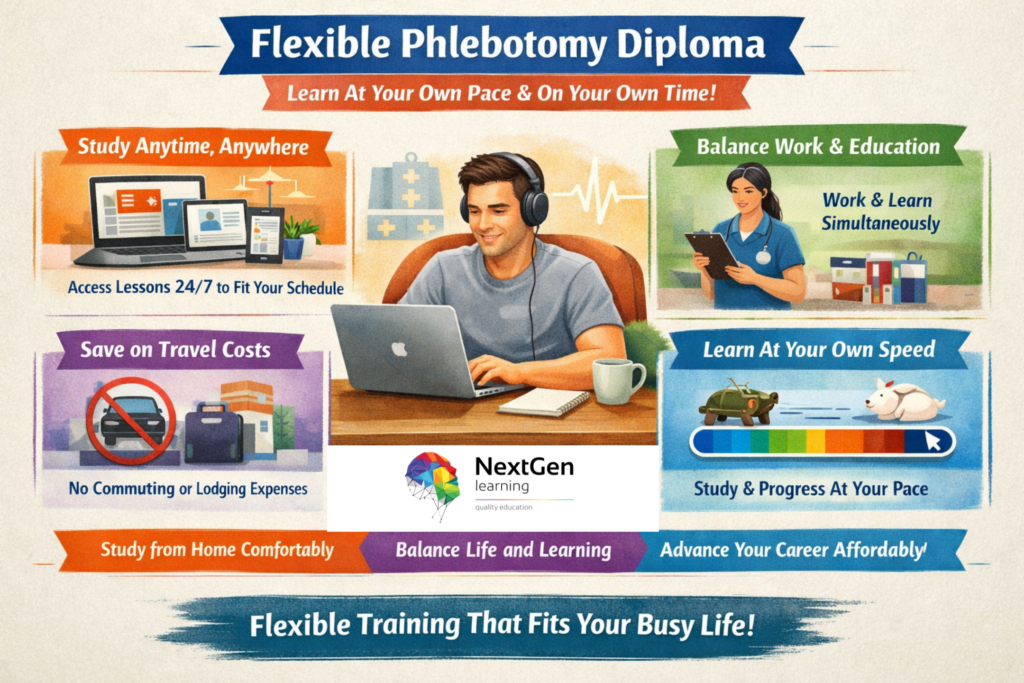
One of the greatest advantages of studying a phlebotomy diploma online is flexibility. Many learners cannot commit to traditional classroom schedules due to work commitments, family obligations, or other responsibilities. Online courses allow students to manage their education around their daily routines.
Flexible learning offers several important benefits:
Study Anytime, Anywhere
Online courses are typically accessible 24/7, meaning learners can review lessons whenever it suits them. Whether studying early in the morning or late in the evening, students can progress through the course at their preferred pace.
Balance Education With Work
Many students pursuing healthcare training are already employed. Online learning enables them to continue working while developing new professional skills.
Reduced Travel and Expenses
Attending physical classes may involve commuting costs, accommodation expenses, or time spent travelling. Online learning eliminates these challenges and makes education more accessible.
Self-Paced Progress
Some learners prefer to complete courses quickly, while others prefer to take additional time to absorb the material. Online learning platforms allow students to move through the curriculum at a pace that suits their individual learning style.
This level of flexibility makes professional training more accessible to individuals from diverse backgrounds.
A Structured Curriculum Designed by Professionals
Another major benefit of enrolling in a professional phlebotomy diploma programme is the structured curriculum. High-quality courses are carefully designed by healthcare educators to ensure learners gain both theoretical knowledge and practical understanding.
Rather than searching for scattered information across the internet, students benefit from a clearly organised learning pathway that covers all essential topics.
A comprehensive phlebotomy diploma curriculum may include:
Introduction to Phlebotomy
Students learn about the role of phlebotomists in healthcare environments and the importance of accurate blood collection procedures.
Human Anatomy and Physiology
Understanding the circulatory system is essential for locating veins and performing safe venipuncture procedures.
Venipuncture Techniques
Learners study the correct methods for drawing blood from patients while ensuring minimal discomfort and maximum safety.
Infection Control and Safety Standards
Healthcare environments require strict hygiene protocols to prevent contamination and protect both patients and healthcare workers.
Patient Care and Communication
Phlebotomists interact directly with patients, many of whom may feel nervous about blood tests. Training emphasises professional communication and patient reassurance.
Specimen Handling and Laboratory Procedures
Proper labelling, storage, and transportation of blood samples are critical to ensure accurate laboratory results.
International healthcare authorities such as the World Health Organization emphasise the importance of proper blood collection procedures to maintain patient safety and laboratory accuracy.
Industry-Relevant Skills You Will Develop
Professional phlebotomy training goes beyond theory. It equips learners with practical skills that are directly applicable in healthcare settings.
Students typically develop competencies such as:
Venipuncture and Capillary Sampling
Learners gain knowledge of safe blood collection techniques using sterile medical equipment.
Infection Prevention
Training covers proper use of personal protective equipment (PPE), safe disposal of sharps, and contamination control.
Patient Interaction
Effective communication skills help phlebotomists create a comfortable experience for patients undergoing blood tests.
Specimen Processing
Understanding how to label, store, and transport blood samples ensures accurate laboratory testing.
Medical Documentation
Healthcare environments require precise record-keeping to maintain patient safety and compliance with clinical protocols.
These skills prepare learners to operate confidently within healthcare teams and clinical environments.
Certification and Professional Recognition
Earning a recognised diploma demonstrates a learner’s commitment to professional development. Certification provides evidence that an individual has completed structured training and understands the key principles of phlebotomy practice.
Professional certification offers several advantages:
- Enhances credibility when applying for healthcare roles
- Demonstrates knowledge of safety and clinical procedures
- Shows dedication to professional development
- Provides a competitive advantage in the job market
Employers often prefer candidates who have completed formal training because they are more likely to understand professional standards and healthcare protocols.
Career Opportunities After Completing a Phlebotomy Diploma
Healthcare remains one of the fastest-growing employment sectors globally. As medical facilities expand and diagnostic technologies improve, the need for trained healthcare support professionals continues to increase.
Completing a phlebotomy diploma may open opportunities in various healthcare environments, including:
Hospitals
Large hospitals require trained phlebotomists to collect blood samples from patients undergoing diagnosis or treatment.
Diagnostic Laboratories
Laboratories rely on accurately collected blood samples to conduct medical testing.
Community Health Clinics
Local healthcare centres frequently perform routine blood testing for patients.
Blood Donation Centres
Phlebotomists assist with collecting blood donations used in life-saving transfusions.
Research Facilities
Medical researchers often require blood samples to study diseases and develop new treatments.
Working in these environments allows phlebotomists to contribute directly to patient care and medical research.
How a Phlebotomy Diploma Can Support Career Progression
For many learners, a phlebotomy diploma represents the first step toward a broader healthcare career. The knowledge gained during phlebotomy training can serve as a foundation for further education in related medical fields.
Some individuals may later pursue careers in:
- Laboratory technology
- Nursing
- Clinical research
- Medical laboratory science
- Healthcare administration
Starting with a phlebotomy diploma allows learners to gain valuable insight into healthcare environments while developing practical clinical skills.
Why Choose Professional Online Training?
While free educational resources are widely available online, professional training programmes offer several key advantages that informal learning cannot easily provide.
Comprehensive Curriculum
Professional courses ensure that learners study all essential topics in a logical order.
Expert Guidance
Courses are developed by professionals who understand healthcare training requirements.
Recognised Certification
Completing a diploma provides official recognition of a learner’s knowledge and skills.
Career-Focused Learning
Professional courses are designed to prepare students for real healthcare environments rather than theoretical knowledge alone.
For learners seeking a reliable pathway into healthcare training, structured online programmes provide a more effective learning experience.
A Practical Pathway to Healthcare Education
For individuals interested in developing phlebotomy skills through flexible training, the NextGen Learning programme provides a structured educational pathway designed for modern learners.
The Phlebotomy Diploma course offers comprehensive learning materials that introduce students to blood collection techniques, infection control procedures, patient care principles, and laboratory practices.
Learners can explore the full course details here:
Phlebotomy Diploma
By completing this course, students gain the knowledge needed to understand phlebotomy procedures and develop professional healthcare skills.
Who Should Study a Phlebotomy Diploma?
A phlebotomy diploma is suitable for a wide range of learners, including:
- Individuals interested in starting a healthcare career
- Healthcare assistants seeking additional clinical skills
- Medical support staff looking to expand their knowledge
- Students considering future careers in medical science
- Professionals seeking to improve their healthcare qualifications
Because the course begins with fundamental concepts, it is suitable for both beginners and individuals with prior healthcare experience.
The Role of Phlebotomy in Patient Care
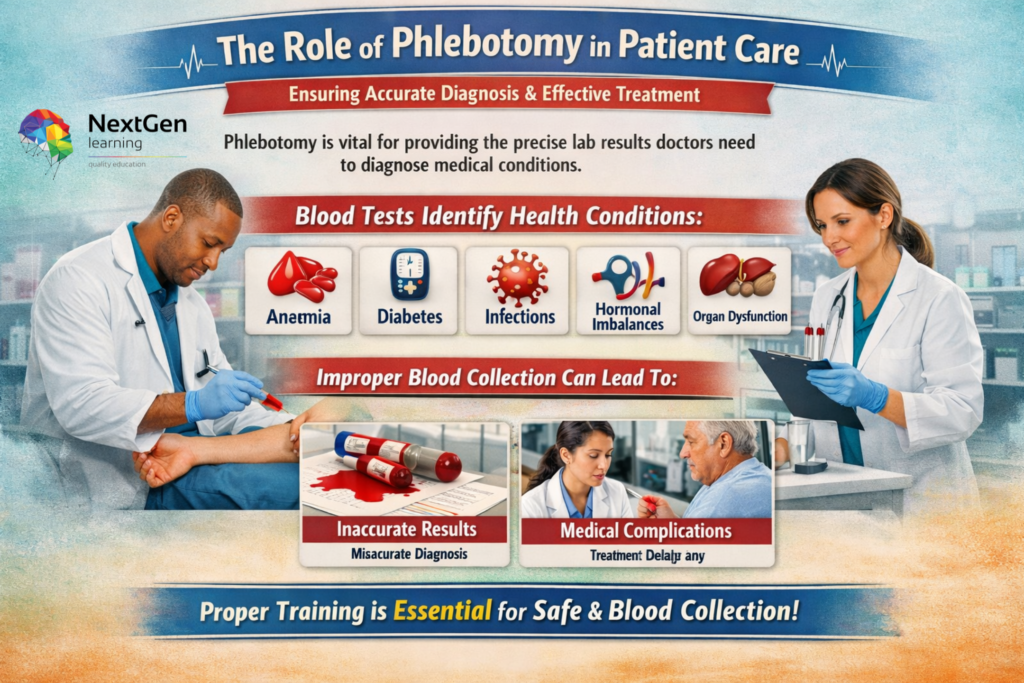
Although phlebotomy may appear to be a simple procedure, it plays a critical role in patient care. Doctors depend on accurate laboratory results to diagnose diseases and determine appropriate treatments.
Blood testing helps identify conditions such as:
- Anaemia
- Diabetes
- Infections
- Hormonal imbalances
- Organ dysfunction
Without properly collected blood samples, laboratory results may be inaccurate, potentially affecting medical decisions. This is why professional training is essential for anyone involved in blood collection procedures.
Conclusion: Take the First Step Toward a Healthcare Career
Studying a phlebotomy diploma online offers an accessible and flexible pathway for individuals interested in healthcare careers. Through structured education, industry-relevant knowledge, and recognised certification, learners gain the foundation needed to understand blood collection procedures and laboratory practices.
Online learning makes professional training more accessible than ever before. Students can study at their own pace, balance education with work commitments, and develop valuable healthcare skills from anywhere.
As diagnostic testing continues to play a vital role in modern medicine, trained phlebotomists remain essential members of healthcare teams. By completing a professional diploma programme, learners can strengthen their knowledge, enhance their career prospects, and take an important step toward a rewarding healthcare journey.
Frequently Asked Questions
Yes. Most phlebotomy diploma programmes are designed for complete beginners and start with the fundamentals of blood collection and patient care. Learners are introduced to basic anatomy, safe venipuncture techniques, and infection control practices. With structured modules and guided instruction, beginners can build confidence even without prior healthcare experience.
The duration of online phlebotomy courses varies depending on the provider and your study pace. Many learners complete the theory modules within a few weeks, while others take longer based on personal schedules. Because online training is self-paced, students can progress at a comfortable speed. Practical sessions, if required, are usually scheduled separately.
Yes. Employers in hospitals, clinics, and diagnostic labs highly value recognised phlebotomy training. Completing a structured programme shows that you understand safe blood collection, infection control, and clinical documentation. Certified learners are often more confident, reliable, and prepared for real healthcare environments, making them strong candidates for entry-level roles.
Absolutely. Many professionals use phlebotomy as a stepping stone into broader healthcare roles. The skills gained—patient communication, clinical safety, and specimen handling—support progression into nursing, laboratory science, healthcare assistance, and medical research. For those exploring long-term healthcare careers, phlebotomy provides a strong starting point.



0 responses on "Why Study a Phlebotomy Diploma Online? Benefits of Professional Training"