





Why Safety Leadership Matters on Modern Construction Sites
Construction sites are among the most complex and high-risk workplaces in the UK. Heavy machinery, working at height, electrical systems, and multiple teams operating simultaneously all create an environment where safety must be carefully managed. Without strong safety leadership, even a minor mistake can quickly escalate into serious injuries, costly project delays, or legal consequences.
According to the UK construction safety statistics published by the IOSH Magazine, the construction sector consistently reports a higher risk of workplace injuries compared with many other industries. These figures highlight why skilled safety leadership is essential on every construction project.
This is where Site Management Safety Training becomes extremely valuable. The Site Management Safety Training Scheme (SMSTS) helps construction professionals develop the knowledge, leadership skills, and regulatory understanding needed to manage site safety effectively.
Many professionals across the UK complete SMSTS training to strengthen their leadership abilities, improve compliance with health and safety regulations, and create safer working environments for their teams. If you are responsible for managing workers, coordinating construction tasks, or overseeing safety procedures, this training can play a vital role in your professional development.
Table of Contents
What Is SMSTS (Site Management Safety Training)?
The Site Management Safety Training Scheme (SMSTS) is a widely recognised construction safety training programme designed specifically for construction managers, site supervisors, and project leaders. It focuses on helping professionals understand their responsibilities for maintaining safe construction sites while ensuring compliance with UK safety regulations.
SMSTS training provides structured knowledge on how to manage safety procedures, control workplace hazards, and lead teams in a safe and responsible manner. For many construction organisations, having SMSTS-trained managers is considered an important step in improving overall safety standards.
Purpose of Site Management Safety Training
The core aim of Site Management Safety Training is to help construction leaders understand how to manage health and safety responsibilities effectively.
Through SMSTS training, professionals learn how to:
Understand Safety Responsibilities – Recognise the duties of site managers in protecting workers and maintaining safe environments.
Implement Safety Procedures – Apply structured safety systems across construction sites.
Manage Construction Risks – Identify hazards early and reduce the likelihood of accidents.
Maintain Legal Compliance – Follow UK health and safety regulations within construction projects.
Promote a Safety-First Culture – Encourage workers to follow best practices and maintain safe behaviour on site.
By building these competencies, the Site Management Safety Training Scheme helps managers create safer and more organised construction environments.
What You Learn in SMSTS Training
A well-structured SMSTS course UK introduces construction professionals to essential safety and leadership topics required for managing complex worksites.
Typical learning areas include:
Construction Risk Assessment – Identify hazards and minimise workplace dangers.
Health and Safety Regulations – Understand UK construction safety laws and regulatory frameworks.
Site Safety Planning – Develop structured safety procedures for construction projects.
Accident Prevention Strategies – Implement proactive measures to reduce incidents.
Legal Responsibilities of Site Managers – Understand compliance requirements and management accountability.
These topics are essential for anyone responsible for overseeing construction operations and ensuring safe working conditions.
Professionals looking to develop these competencies often enrol in structured training programmes such as the Site Management Safety Training Scheme (SMSTS) course offered by NextGen Learning, which helps learners build the knowledge needed to manage construction safety effectively.
Why Safety Leadership Matters in Construction
Strong construction safety leadership is one of the most important factors influencing workplace safety on building sites. While safety policies and regulations are essential, the behaviour and leadership style of site managers ultimately determine how well those policies are followed.
Managers set the tone for the entire project. When leaders prioritise safety, workers are far more likely to follow procedures and adopt safe working practices.
Construction Sites Are High-Risk Environments
Construction environments contain numerous hazards that require careful management and supervision.
Some of the most common risks include:
- Working at Height – Falls remain one of the leading causes of injuries in construction.
- Heavy Machinery – Equipment such as cranes, excavators, and forklifts can pose serious hazards if not managed properly.
- Electrical Hazards – Temporary power systems and exposed wiring create potential dangers.
- Moving Vehicles – Construction vehicles operating in confined areas increase the risk of collisions.
- Structural Instability – Unfinished structures or temporary frameworks can collapse if safety procedures are not followed.
Managing these risks requires careful planning, clear communication, and a strong understanding of safety protocols.
The Role of Site Managers in Safety
Site managers play a central role in ensuring safe construction operations. Their decisions directly influence how safely teams work on site.
Key responsibilities typically include:
- Supervising Workers – Ensuring teams follow safe working practices.
- Enforcing Safety Procedures – Implementing safety policies and ensuring compliance.
- Managing Risk Assessments – Identifying potential hazards before work begins.
- Monitoring Safety Compliance – Ensuring workers use protective equipment and follow guidelines.
- Coordinating Safety Communication – Making sure everyone on site understands safety expectations.
This is why construction safety training for site managers is so important. When managers understand how to lead safety initiatives effectively, they help create workplaces where accidents are less likely to occur.
Key Benefits of Site Management Safety Training
Completing Site Management Safety Training offers numerous advantages for both individual professionals and construction organisations. The knowledge gained through SMSTS training helps managers improve site safety while also strengthening their leadership capabilities.
Some of the most important SMSTS certification benefits include:
Stronger Safety Leadership – Manage teams with confidence while promoting a safety-first culture across construction sites.
Improved Risk Awareness – Identify hazards early and take preventive action before incidents occur.
Better Regulatory Compliance – Understand construction safety regulations and legal responsibilities.
Higher Career Opportunities – Safety qualifications enhance professional credibility within the construction industry.
Greater Site Efficiency – Safe and well-managed sites experience fewer delays, disruptions, and accidents.
Training programmes aligned with recognised industry guidance often reference best practices from organisations such as the Health and Safety Executive, which provides detailed resources on construction risk management and safety standards.
By developing structured knowledge in safety management, professionals can improve both workplace safety and project performance.
SMSTS vs SSSTS: Understanding the Difference
A common question among construction professionals is the difference between SMSTS vs SSSTS training. While both programmes focus on construction safety, they are designed for different roles within the industry.
SMSTS –
Target Audience: Site managers and project leaders
Focus: Safety leadership, site management responsibilities, compliance
SSSTS –
Target Audience: Site supervisors and team leaders
Focus: Day-to-day safety supervision and worker management
SMSTS training is typically aimed at professionals responsible for overall site management, whereas SSSTS focuses more on supervising teams and maintaining safety at an operational level.
Understanding this distinction helps construction professionals choose the training that best matches their career stage and responsibilities.
Who Should Take Site Management Safety Training?
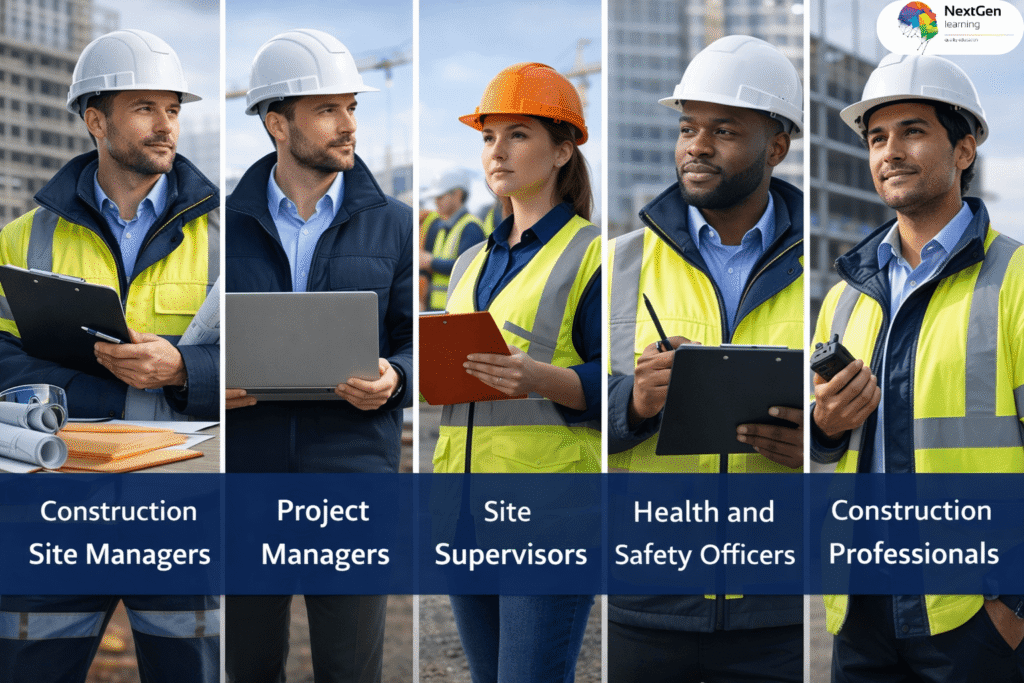
Many professionals within the construction sector benefit from completing Site Management Safety Training. The course is particularly valuable for individuals who hold, or plan to move into, leadership roles on construction projects.
The training is suitable for:
- Construction Site Managers – Responsible for overseeing daily operations and maintaining safety standards.
- Project Managers in Construction – Managing multiple teams and coordinating complex building projects.
- Site Supervisors Moving into Leadership Roles – Preparing for management responsibilities and career advancement.
- Health and Safety Officers – Supporting compliance and safety planning across construction sites.
- Construction Professionals Seeking Career Growth – Developing leadership and safety management skills.
For professionals responsible for supervising workers or managing projects, construction safety training for site managers provides valuable knowledge that helps improve both safety and operational efficiency.
How SMSTS Training Improves Construction Project Safety
Construction safety does not happen by accident. It requires structured planning, clear communication, and consistent supervision. This is where Site Management Safety Training plays a crucial role. By developing strong leadership skills and safety awareness, SMSTS training helps managers maintain safer and more organised construction environments.
When construction leaders understand risk management and safety procedures, they are better prepared to prevent accidents before they occur.
Some of the key ways SMSTS training improves construction project safety include:
Better Safety Planning – Managers learn how to implement structured safety systems before construction work begins.
Early Hazard Identification – Trained leaders can recognise potential dangers before they escalate into serious incidents.
Improved Communication – Safety instructions and expectations become clearer for workers and contractors.
Stronger Compliance Monitoring – Managers can ensure that teams follow safety procedures consistently.
Reduced Workplace Accidents – Proactive safety management helps prevent injuries and operational disruptions.
Effective safety leadership also supports compliance with UK regulations such as the Construction (Design and Management) Regulations, commonly known as CDM. These rules place clear responsibilities on those managing construction projects to ensure worker safety. You can learn more about these regulations through the official guidance published by the Health and Safety Executive.
When managers understand how to apply these principles in real-world situations, construction sites become significantly safer and more efficient.
Career Advantages of SMSTS Certification

For many construction professionals, completing SMSTS training is not only about improving safety knowledge—it can also support long-term career development.
Construction companies increasingly value managers who understand both project operations and safety leadership. As a result, professionals with SMSTS qualifications often stand out when applying for leadership positions.
Some of the key SMSTS certification benefits for career growth include:
Stronger Professional Credibility – Demonstrates that you understand construction safety management and regulatory responsibilities.
Improved Leadership Opportunities – Employers prefer managers who can lead teams safely and efficiently.
Enhanced Employability – Many construction projects require safety-trained supervisors and managers.
Better Project Management Skills – Understanding risk management improves decision-making on site.
Career Progression in Construction – Safety leadership skills can support advancement into higher management roles.
The UK construction industry places strong emphasis on health and safety compliance. Industry organisations such as the Construction Industry Training Board encourage continuous professional development to improve workforce safety and competency.
For professionals aiming to move into leadership roles, gaining structured training in safety management can be a valuable step forward.
Developing Your Safety Leadership Skills
Becoming an effective construction leader requires more than technical knowledge. Managers must also understand how to guide teams, communicate safety expectations, and manage risks across complex work environments.
This is why many professionals choose to complete formal Site Management Safety Training programmes that provide structured learning in construction safety leadership.
Through professional training, learners can develop essential skills such as:
- Understanding Construction Risk Management – Learn how to assess hazards and implement preventive measures.
- Improving Safety Leadership – Develop the ability to lead teams with a strong safety culture.
- Strengthening Regulatory Knowledge – Gain a deeper understanding of UK construction safety regulations.
- Enhancing Decision-Making – Make safer and more informed decisions during construction projects.
- Managing Safety Documentation – Learn how to handle risk assessments, safety plans, and compliance reports.
By completing a comprehensive SMSTS course in the UK, managers can gain the confidence needed to manage complex construction projects while prioritising worker safety.
The Growing Importance of Safety Training in Construction
The construction industry continues to evolve, and safety standards are becoming increasingly strict. Regulatory authorities, project stakeholders, and construction companies all expect higher levels of accountability when it comes to workplace safety.
Several factors are driving the growing importance of construction health and safety training UK:
Stricter Safety Regulations – Construction companies must comply with evolving health and safety laws.
Greater Accountability – Site managers are expected to demonstrate clear safety leadership.
Increased Focus on Risk Management – Organisations are investing more in proactive safety planning.
Rising Industry Standards – Clients increasingly prioritise contractors with strong safety records.
Government resources such as the Construction Health and Safety guidance provided by the Health and Safety Executive highlight the importance of training and leadership in preventing workplace incidents.
As safety expectations continue to increase, professionals with Site Management Safety Training are becoming increasingly valuable within the construction sector.
Conclusion
Construction sites involve complex operations, heavy equipment, and multiple teams working in challenging environments. Without strong safety leadership, these conditions can quickly lead to accidents, delays, and compliance issues.
This is why Site Management Safety Training is so important for construction professionals. SMSTS training helps managers understand safety responsibilities, manage risks effectively, and lead teams with confidence.
By developing knowledge in construction safety leadership, risk management, and regulatory compliance, site managers can significantly improve the safety and efficiency of construction projects.
For professionals looking to strengthen their expertise and advance their careers, completing a structured Site Management Safety Training Scheme (SMSTS) course can be an important step towards becoming a more effective and responsible construction leader.
Frequently Asked Questions About Nursing Jobs in the UK
SMSTS training stands for Site Management Safety Training Scheme, a programme designed to help construction managers understand safety responsibil
SMSTS training covers areas such as risk assessment, safety planning, accident prevention, regulatory compliance, and construction safety leadership.
Safety leadership ensures workers follow safe practices, reduces the likelihood of accidents, and helps maintain compliance with construction safety regulations.
By gaining a recognised SMSTS qualification, construction professionals can improve their leadership skills, strengthen their CV, and increase their chances of progressing into management roles within the industry.



0 responses on "Why Safety Leadership Matters on Modern Construction Sites"