



Popular Courses

Brand
Awarding body image

Key Features of PTSD Training Course Online

Strengthen Your Knowledge in PTSD and Trauma Recovery

This PTSD training course helps learners understand how trauma can affect thinking, emotions, identity and relationships. Furthermore, it introduces reflective exercises, coping strategies, strengths-based awareness and post-traumatic growth concepts. Learners will gain practical knowledge of symptoms, protective factors, emotional naming, meaning-making and supportive companionship. Consequently, the course is useful for mental health learners, support workers, care professionals and anyone interested in trauma informed training.

By completing this course, you will be able to:

  • Explain PTSD and its common effects.
  • Recognise PTSD symptoms and coping strategies.
  • Understand risk and protective factors.
  • Identify how trauma can affect thinking.
  • Reflect on rumination and core beliefs.
  • Understand emotional processing after trauma.
  • Recognise personal strengths after adversity.
  • Explore meaning, purpose and new possibilities.
  • Understand the value of compassion and companionship.
  • Build awareness of safe trauma-informed support.

Exclusive Course Glimpse

Learning Outcomes

After completing this course, learners will confidently understand key PTSD and trauma recovery concepts.

  • Understand how PTSD can affect daily life.
  • Recognise links between trauma, thoughts and emotions.
  • Identify coping strategies used after trauma.
  • Understand reflective rumination and core belief challenges.
  • Explore emotional naming and self-awareness.
  • Recognise strengths in work, relationships and family life.
  • Understand post-traumatic growth concepts.
  • Build awareness of supportive trauma-informed communication.

Why Choose This Course

This course is designed for learners who want flexible, practical and career-focused PTSD awareness training.

  • Study a PTSD training course online.
  • Learn through clear and structured modules.
  • Build knowledge relevant to UK support roles.
  • Explore PTSD, coping and trauma recovery.
  • Understand emotional processing and strengths.
  • Strengthen your CV with CPD-focused learning.
  • Suitable for beginners and support professionals.
  • Learn at your own pace from any device.

Certificate of Achievement

  • CPD Accredited Certificate
  • Digital Certificate
  • Professional Recognition
  • CV & LinkedIn Enhancement
  • Proof of Professional Skills
Nextgen Certificate

Who Is This Course For?​

  • Beginners interested in PTSD awareness.
  • Mental health support workers.
  • Counselling and psychology learners.
  • Care and wellbeing professionals.
  • Coaches and mentors.
  • Social care support staff.
  • Career changers entering support work.
  • Anyone wanting trauma-informed knowledge.

Career Opportunities (UK)

This PTSD training course can support career development in mental health support, counselling preparation, social care, wellbeing and trauma-informed practice. It helps learners build foundation knowledge of PTSD, coping strategies, emotional processing, resilience and supportive communication.

Mental Health Support Worker

Mental health support workers assist people with emotional wellbeing, daily routines and recovery-focused support. This course can help them understand PTSD symptoms, coping strategies and trauma-informed communication.
Average UK Salary: £18,000 – £30,000 per year

Counsellor

Counsellors help people explore feelings, difficulties and life experiences in a safe professional setting. This course can support wider PTSD awareness, although professional counselling requires recognised qualifications.
Average UK Salary: £25,000 – £48,000 per year

Psychological Wellbeing Practitioner

Psychological wellbeing practitioners support people with common mental health difficulties through structured services. PTSD knowledge may support awareness of trauma responses, although this role requires approved training.
Average UK Salary: £28,000 – £39,000 per year

Psychotherapist

Psychotherapists use talking therapies to support emotional, behavioural and mental health challenges. This course can support foundation trauma awareness, but professional psychotherapy requires recognised clinical training.
Average UK Salary: £40,000 – £57,000 per year

Mental Health Nurse

Mental health nurses support people in hospitals, clinics and community services. This course may strengthen PTSD awareness, although the role requires a nursing degree and professional registration.
Average UK Salary: £32,000 – £48,000 per year

Social Worker

Social workers support vulnerable adults, children and families through complex life challenges. Trauma-informed knowledge can support safer communication and better understanding of how trauma affects behaviour.
Average UK Salary: £32,000 – £48,000 per year

Clinical Psychologist

Clinical psychologists assess and support people with mental health issues, trauma and emotional difficulties. This course can support general PTSD knowledge, although the role requires extensive professional training and registration.
Average UK Salary: £49,000 – £65,000 per year

Entry Requirements

  • No formal qualifications required.
  • Suitable for beginners.
  • Basic English understanding recommended.
  • Internet and device access required.
  • Interest in PTSD, trauma recovery or mental health.
  • This course is educational and does not qualify learners to diagnose, treat or practise psychotherapy.
  • Learners who feel distressed should pause the course and seek appropriate professional support.

Order Your Certificate

To order your Certificate, we kindly invite you to visit the following link

Frequently Asked Questions -

A PTSD training course teaches learners about post-traumatic stress disorder, trauma responses and recovery-focused concepts. It covers symptoms, coping strategies, emotional processing, strengths and post-traumatic growth. Moreover, it helps learners build trauma-informed awareness for personal or professional development.

This PTSD course online is suitable for beginners, support workers, care professionals, counselling learners and wellbeing-focused professionals. It is also useful for people who want to understand trauma-informed support. In addition, career changers can use it to explore mental health-related learning.

Yes, this course is suitable for beginners. It starts with an introduction to PTSD and then explores symptoms, coping strategies, protective factors and emotional processing. Therefore, learners do not need previous psychology or counselling training.

This trauma therapy course covers PTSD symptoms, trauma-related thinking, reflective rumination, core beliefs, emotional naming, strengths and companionship. It also explores safety, meaning, purpose and new possibilities after trauma. As a result, learners gain a structured understanding of PTSD awareness.

Yes, this course includes a CPD Accredited Certificate. This can support your CV, LinkedIn profile and professional development record. Furthermore, it shows your commitment to improving PTSD and trauma-informed knowledge.

No, this course does not qualify learners to become PTSD therapists or psychotherapists. Professional PTSD treatment should be delivered by suitably qualified mental health professionals. However, the course can support foundation knowledge before further study.

Yes, this PTSD training course is delivered online. Learners can study flexibly using a suitable device and internet connection. Consequently, it is suitable for busy learners, support workers and career changers.

This course can support knowledge for roles in mental health support, counselling preparation, wellbeing, social care and trauma-informed services. It may also help professionals who support people affected by distress or adversity. Finally, learners should always check role-specific qualification requirements before applying for clinical positions.

Course Curriculum

Section 01: PTSD and It's Effects
Introduction 00:08:00
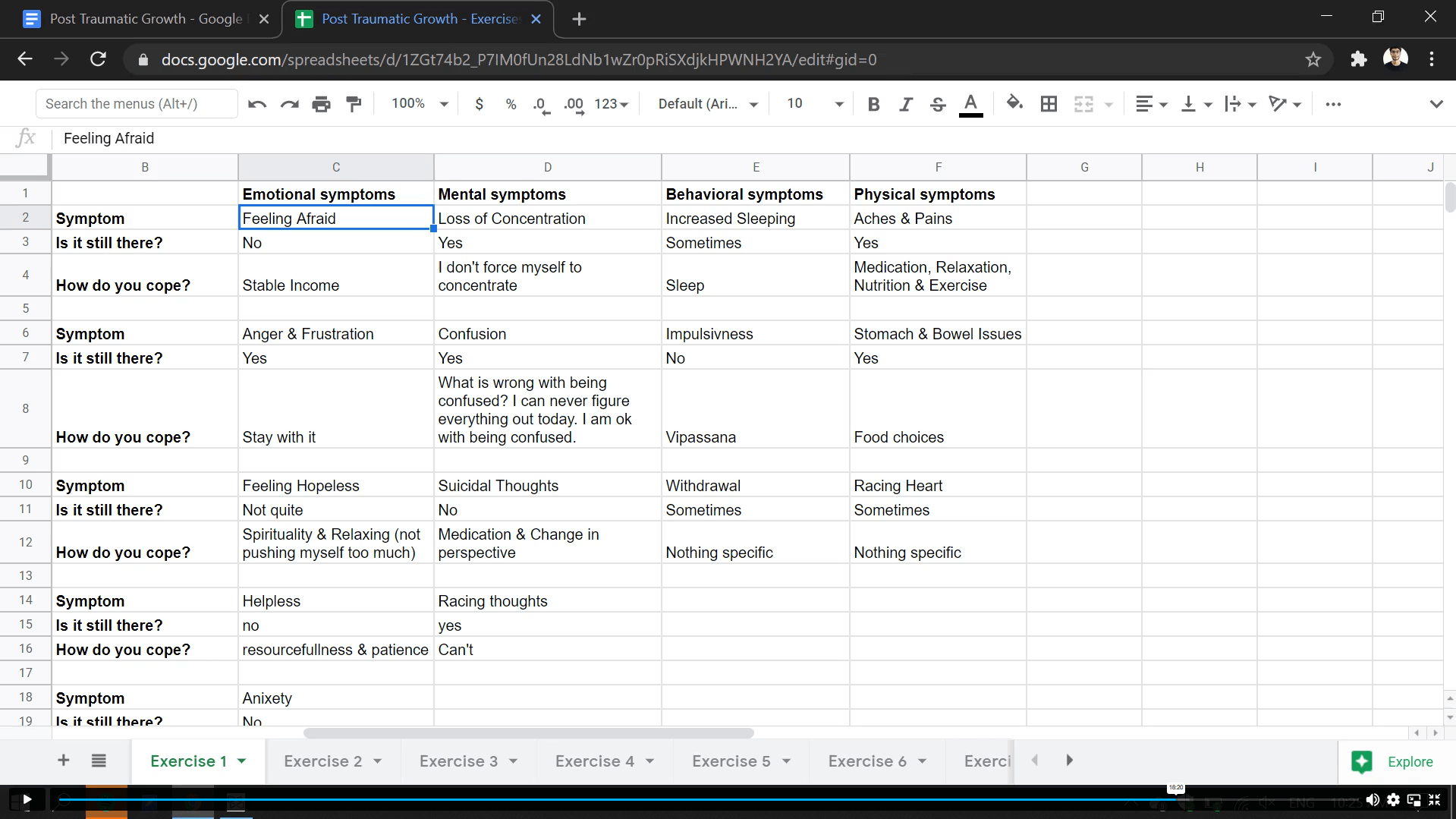
Awareness of Symptoms and Coping Strategies 00:21:00
Your Risk & Protective Factors 00:15:00
How Trauma Has Affected Your Thinking 00:10:00
Self-Assessment of Deliberate or Reflective Rumination 00:05:00
Self-Assessment of the Challenge to Your Core Beliefs 00:02:00
Section 02: Processing PTSD and Its Aftermath
Processing Trauma and Its Aftermath 00:01:00
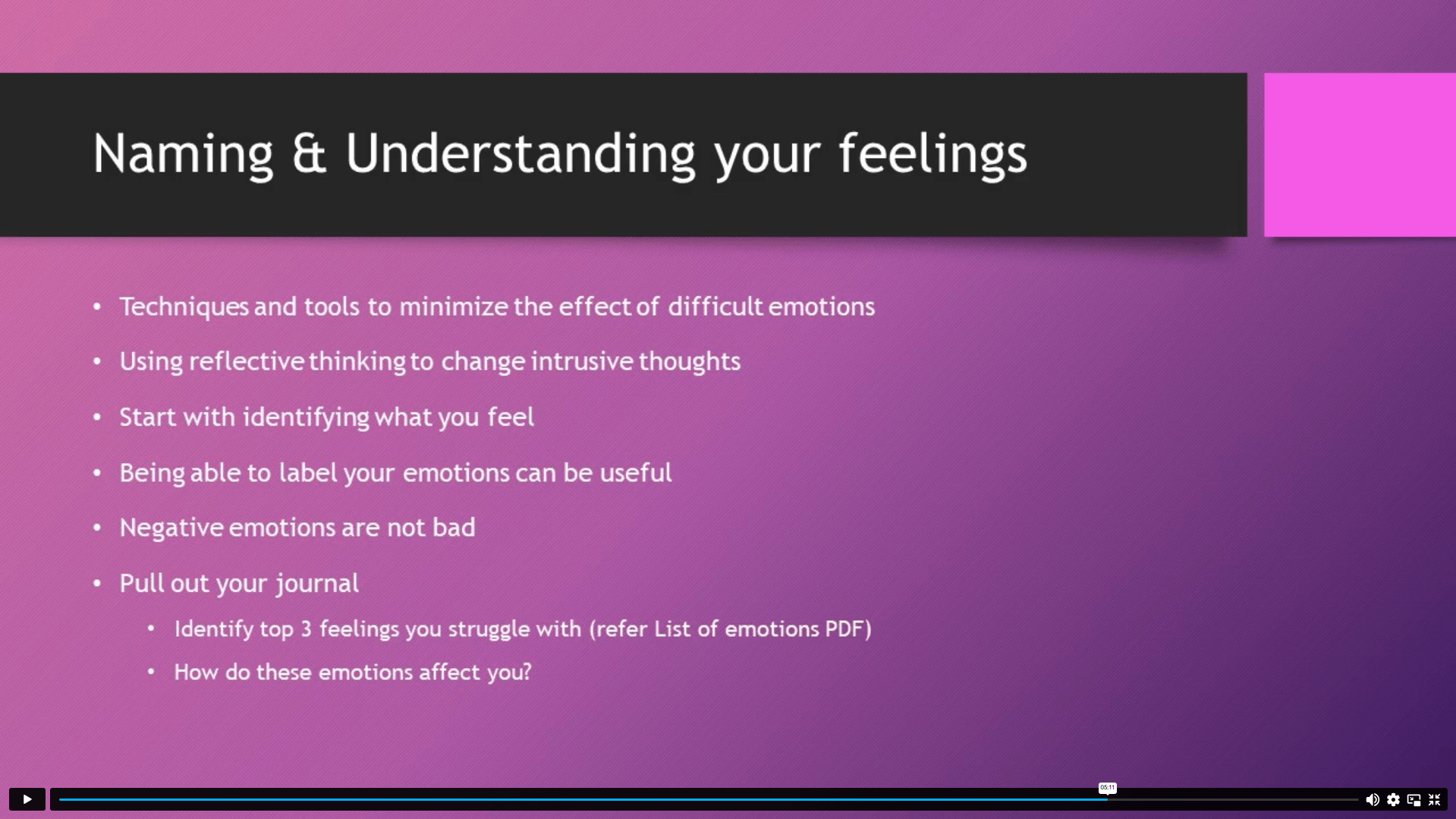
Name and Understand Your Feelings 00:06:00
Section 03: Trauma, PTSD and Growth
Section Introduction 00:01:00
Recognizing Your Strengths 00:13:00
Appreciating Your Life 00:01:00
Seeing New Possibilities 00:01:00
Finding Meaning and Purpose 00:02:00
Section 04: Building Strength - PTSD
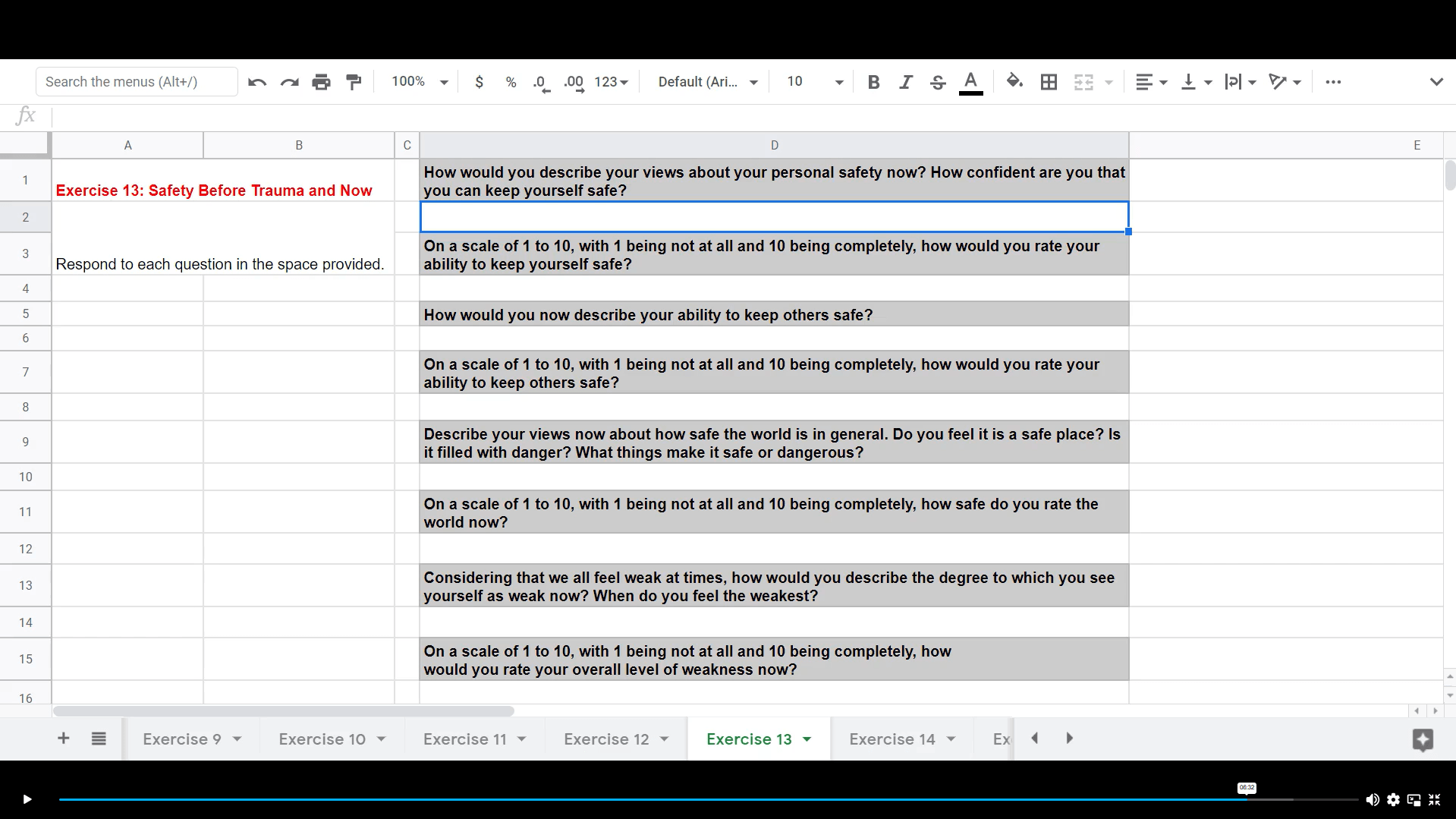
Safety Before & After Trauma 00:07:00
Recognizing Your Work, Relationship & Family Strengths 00:01:00
Section 05: Compassion and Companionship - PTSD
Experiencing Expert Companionship 00:03:00
Section 06: Conclusion - PTSD
Conclusion 00:01:00
Order Your Certificate
Order Your Certificate 00:00:00

Related Courses

A product of

© 2026 NextGen Learning. All rights reserved

Home Search Cart Offers