




Blog
Blog

 January 30, 2026
How to Get a Job in Health and Social Care Without Experience (UK Guide)
You can get a job in health and social care without experience by applying for entry-level roles, completing basic CPD-accredited training, highlighting transferable skills, and preparing for interviews. UK employers prioritise attitude, reliability, and willingness to learn over previous experience, especially for care assistant and support worker roles.
Blog
 January 29, 2026
What Jobs Can You Get With a Health and Social Care Diploma in the UK?
A Health and Social Care Diploma in the UK can lead to roles such as care worker, healthcare assistant, support worker, and residential care staff. With experience and higher-level qualifications, learners can progress into senior, specialist, and management positions across NHS, residential, and community care settings.
Blog
 January 29, 2026
Transformational Leadership in Healthcare: Driving Sustainable Change and Better Outcomes
Transformational leadership in healthcare is a leadership approach that prioritises motivation, trust, and continuous improvement. Learn why it matters, how it supports healthcare professionals, and its impact on patient care and team performance.
Blog
 January 29, 2026
What Are the 6 Principles of Safeguarding in Health and Social Care?
The six principles of safeguarding in health and social care are empowerment, prevention, proportionality, protection, partnership, and accountability. Together, these principles guide professionals in protecting vulnerable individuals from abuse and neglect while respecting their rights, dignity, and choices. By applying the principles consistently, health and social care staff can make balanced, lawful, and person-centred safeguarding decisions across all care settings.
Blog
 January 29, 2026
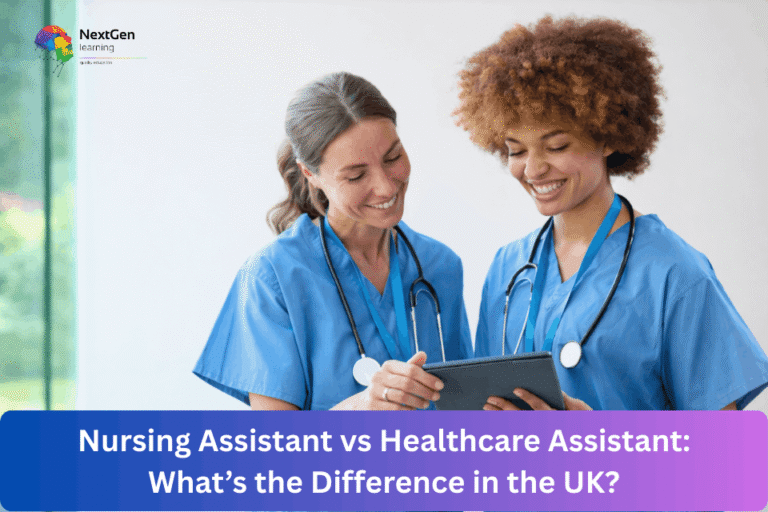
Nursing Assistant vs Healthcare Assistant: What’s the Difference in the UK?
The main difference between a Nursing Assistant and a Healthcare Assistant lies in clinical responsibility, training, and career progression. In the UK, Nursing Assistants usually support registered nurses with clinical tasks such as monitoring vital signs and assisting with treatments, often working in NHS hospital settings at Band 3 or above. In contrast, Healthcare Assistants focus on personal care, daily support, and patient wellbeing, commonly entering at Band 2 across hospitals, care homes, and community services. While both roles are essential, the right choice depends on how close you want to work to clinical care and your long-term career goals.
Blog
 January 28, 2026
Diversity in Health and Social Care: How to Create Truly Inclusive Services
Diversity in health and social care is essential for delivering safe, respectful, and person-centred services. As communities become more diverse, care providers must recognise individual differences in culture, language, disability, gender, and life experience to reduce inequalities and improve outcomes. Inclusive practice supports better communication, stronger trust, and higher-quality care for everyone.
Blog
 January 28, 2026
A Day in the Life of a Car Mechanic
Discover what a typical day looks like inside a modern workshop, from daily routines and key duties to the skills needed when working as a car mechanic. This in-depth guide explores real-world responsibilities, challenges, and how structured training helps build confidence for a successful career in car mechanics.
Blog
 January 28, 2026
Essential Communication Skills in Health and Social Care (With Real-World Examples)
Effective communication skills are essential in health and social care because they support safety, trust, and person-centred practice. This guide explains the core communication skills every care professional needs, with clear explanations and real-world examples.
Blog
 January 28, 2026
Highest Paying Healthcare Administration Jobs in the UK (2025–2026)
Healthcare administration has become one of the highest-paying and most future-proof career paths in the UK. This guide explores the top healthcare administration jobs for 2025–2026, including NHS and private-sector roles, realistic salary expectations, and the qualifications and career pathways needed to progress into senior leadership positions.