


DoLS Training helps health and social care professionals understand the Deprivation of Liberty Safeguards, their relationship with the Mental Capacity Act 2005, and the procedures surrounding restrictions on a person’s liberty. This course covers DoLS principles, authorisation, assessment and procedures within hospitals and care homes.

Overview of DoLS Training
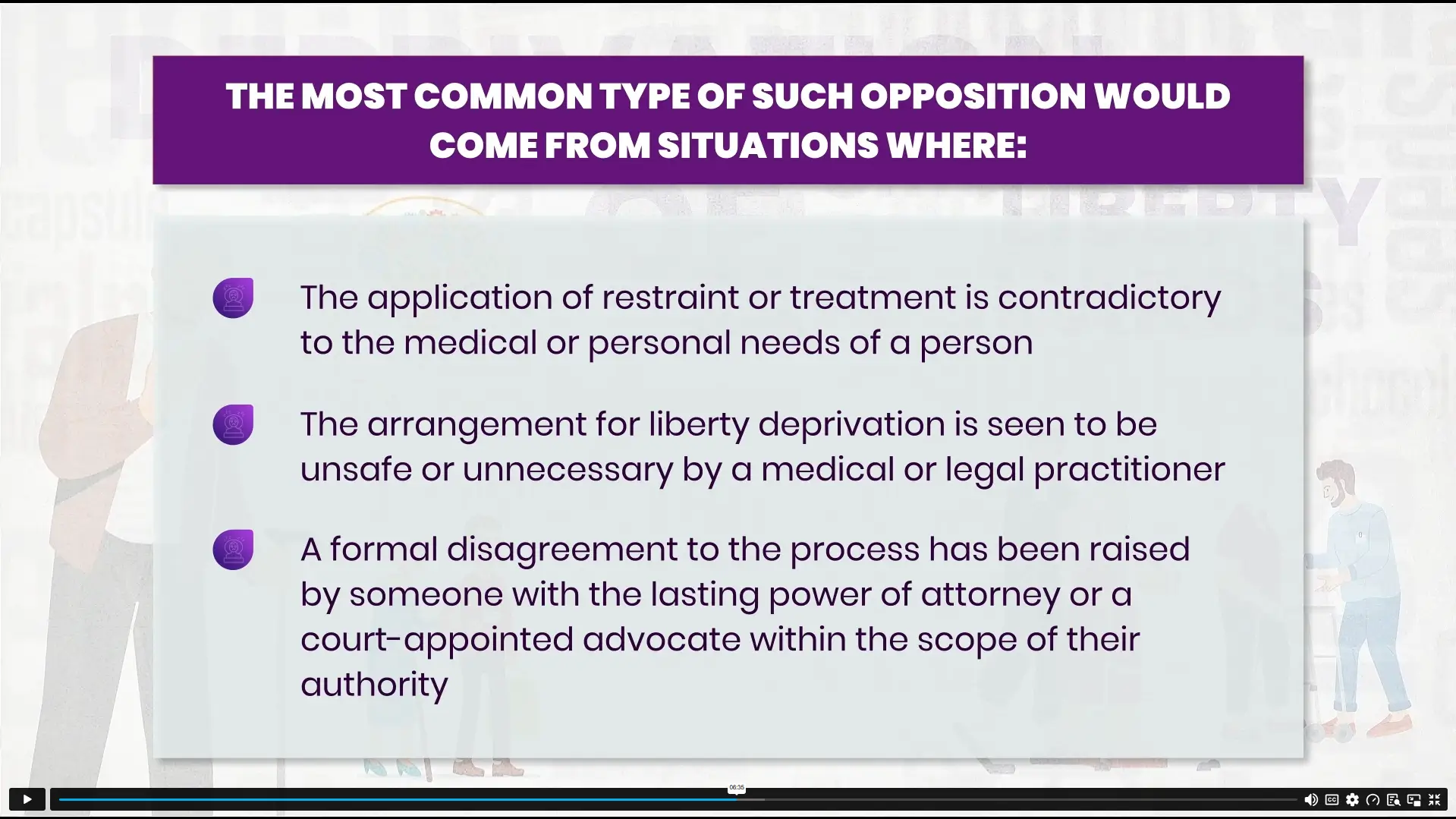
Supporting someone who may lack capacity can involve difficult decisions. Care arrangements may be intended to keep a person safe, but restrictions on movement, choice or freedom can also raise important legal and human-rights considerations.
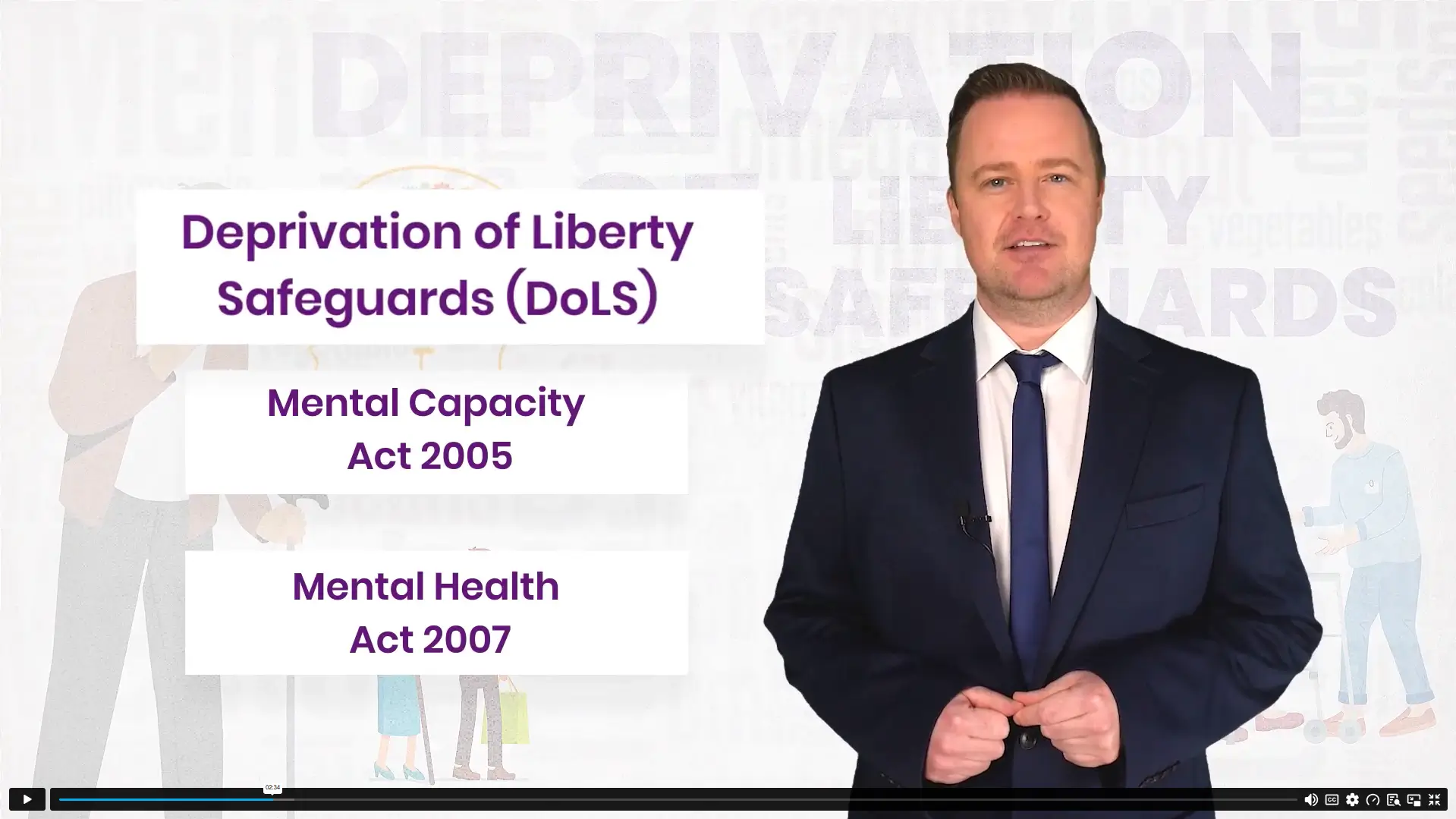
That is why understanding the Deprivation of Liberty Safeguards (DoLS) matters for professionals working in hospitals and care homes.
This course provides structured Deprivation of Liberty Safeguards Training covering the principles behind DoLS, the Mental Capacity Act and relevant UK law, authorisation, the assessment process and practical procedures within hospital and care-home environments.
You will begin by understanding what DoLS is designed to safeguard and how it connects with the Mental Capacity Act. You will then explore how authorisation works, what happens during the DoLS assessment process and the roles involved in applying safeguards appropriately.
The NHS emphasises that where restrictions may amount to deprivation of liberty, the situation should be considered individually and, where appropriate, the hospital or care provider must seek legal authorisation. Decisions made for someone who lacks capacity must also consider their best interests and whether a less restrictive approach is available.
Current 2026 guidance is particularly important. Following the June 2026 Supreme Court judgment, identifying deprivation of liberty now requires a multifactorial assessment of the individual’s specific circumstances, rather than relying solely on the previous single “acid test”. DoLS processes nevertheless continue to apply in hospitals and care homes where there is reason to believe a deprivation of liberty exists.
Through this course, you can develop your understanding of:
- The principles and purpose of DoLS.
- How DoLS connects with the Mental Capacity Act 2005.
- The importance of capacity, rights and best-interest decision-making.
- How DoLS authorisation works.
- The purpose of the DoLS assessment process.
- Procedures relevant to hospitals and care homes.
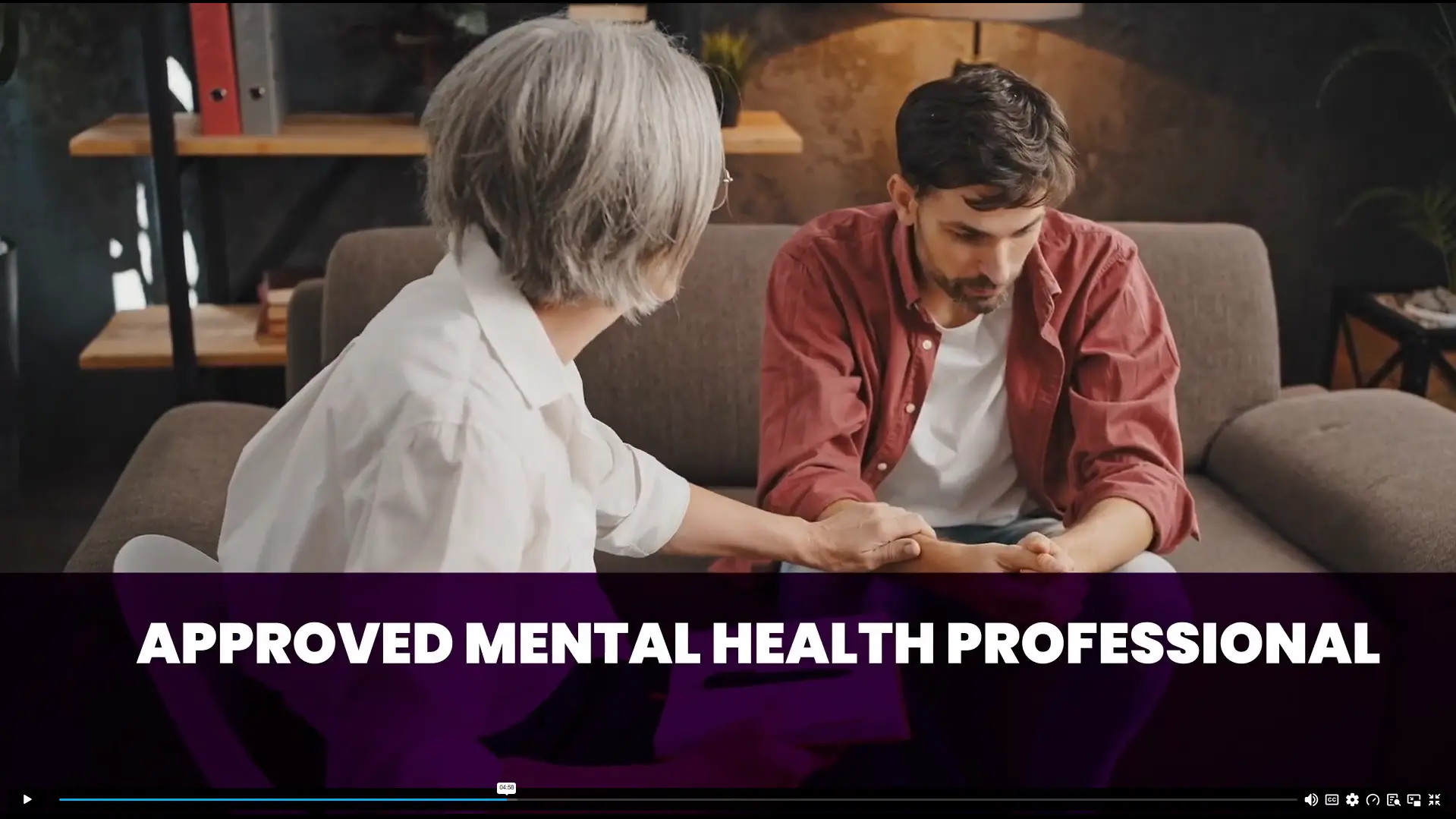
- Important professional roles associated with DoLS.
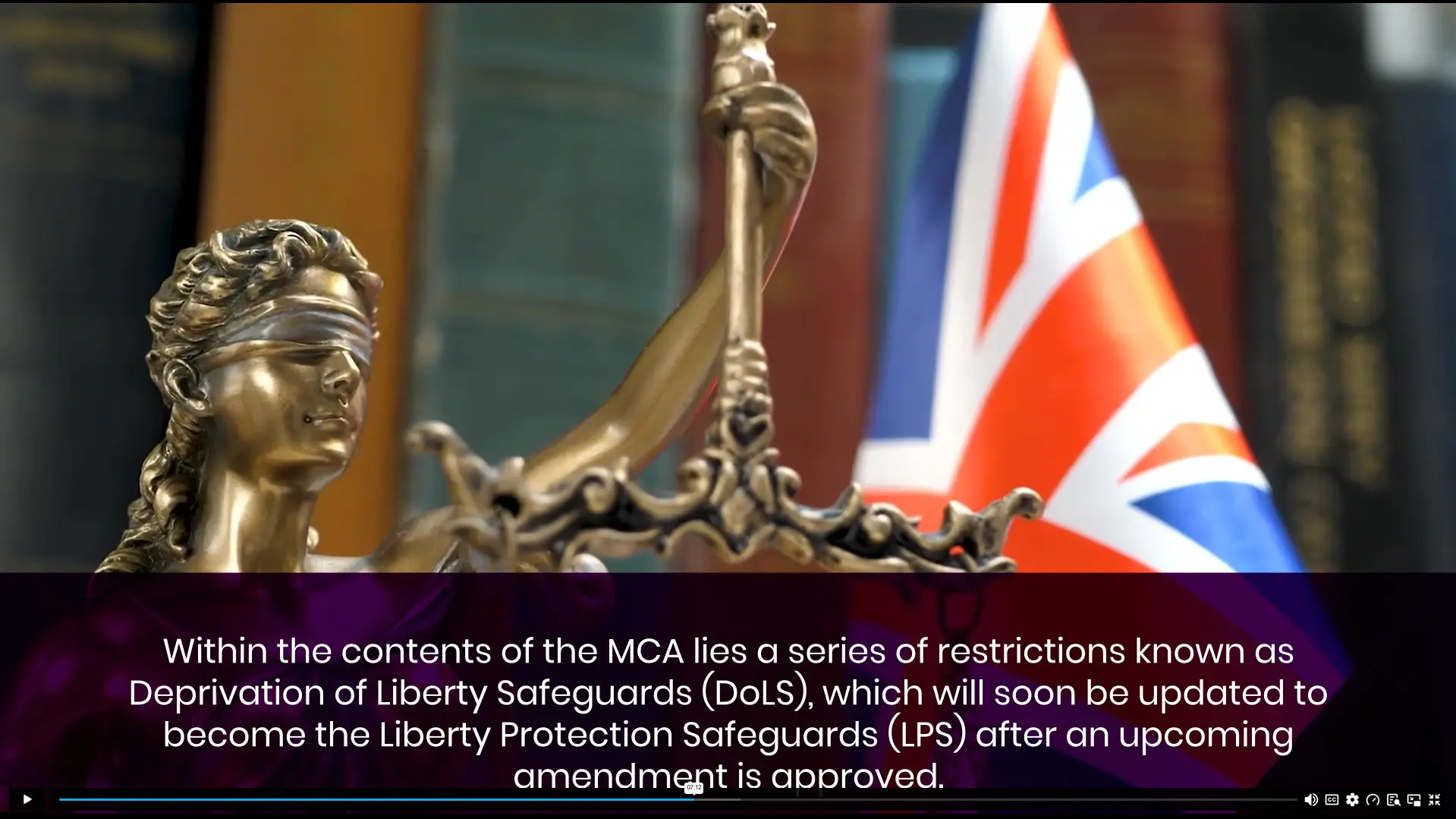
- The relationship between DoLS and Liberty Protection Safeguards terminology.
This Online DoLS Training is particularly useful if you work with adults who may lack capacity and want a clearer understanding of the legal safeguards surrounding restrictive care arrangements.
Exclusive Course Glimpse
Learning Outcomes
By completing this course, you should be able to:
- Explain the purpose and principles of DoLS.
- Describe how DoLS forms part of the Mental Capacity Act framework.
- Recognise why mental capacity must be considered carefully and individually.
- Understand the importance of best interests and proportionate restrictions.
- Explain the purpose of DoLS authorisation.
- Describe the main stages of the DoLS assessment process.
- Understand how DoLS procedures apply within hospitals and care homes.
- Recognise key professional roles associated with DoLS processes.
- Understand why accurate procedures and documentation matter.
- Develop greater awareness of legal and human-rights considerations surrounding restrictive care.
The aim is to help you make sense of DoLS procedures in real care environments, rather than simply memorising legal terminology.
Why Choose This Course?
For care professionals, DoLS is not just a policy topic. It relates directly to how people’s rights, safety, wishes and care arrangements are considered.
This Mental Capacity Act and DoLS Training provides a focused route through the areas most relevant to hospital and care-home practice.
- UK-specific learning – explore DoLS within the Mental Capacity Act and UK legal context.
- Care-setting relevance – focus specifically on hospitals and care homes.
- Authorisation knowledge – understand why and when the safeguard process may be required.
- Assessment awareness – develop knowledge of how DoLS assessments work.
- Rights-focused approach – understand the importance of lawful and proportionate restrictions.
- Professional-role awareness – explore responsibilities connected with DoLS and related safeguards.
- Flexible online learning – study around shifts, work and personal commitments.
- CPD-focused development – strengthen knowledge relevant to health and social care practice.
CQC monitors the use of the Mental Capacity Act and DoLS in hospitals and care homes in England and considers whether appropriate authorisation, conditions and efforts to minimise restrictions are in place.
Because the law changed in June 2026, employers and professionals should also ensure their own policies, procedures and practical guidance reflect the latest legal framework. DHSC has specifically advised organisations to review relevant materials and upskill their workforce.
Certificate of Achievement
- CPD Accredited Certificate
- Digital Certificate
- Professional Recognition
- CV & LinkedIn Enhancement
- Proof of Professional Skills
Who Is This Course For?​
This DoLS Training for Care Workers and healthcare professionals may be particularly relevant to:
- Care workers and senior carers
- Healthcare assistants
- Support workers
- Care-home staff
- Care-home managers and supervisors
- Nurses and nursing staff
- Hospital and clinical support staff
- Adult social-care professionals
- Safeguarding and care-quality professionals
- Professionals supporting adults who may lack capacity
It is especially useful for learners who need to understand what happens when restrictive care arrangements may affect a person’s liberty and what safeguards should be considered.
Career Opportunities in the UK
Knowledge from DoLS Training for Care Homes and healthcare settings can complement roles where professionals support adults who may lack capacity. Career entry and progression will depend on the qualifications, registration and experience required for each position.
Care Worker / Support Worker
Care and support workers assist people with daily living, wellbeing and personal care. Understanding mental capacity, restrictions and individual rights can support safer, more person-centred practice.
Typical UK salary: approximately £20,000–£25,000 per year, with variation by employer, location and experience.
Healthcare Assistant
Healthcare assistants support patients with personal care, observations and day-to-day clinical needs under the supervision of registered professionals. DoLS and Mental Capacity Act awareness can be relevant when supporting adults who may lack capacity.
Typical UK salary: approximately £24,000–£27,000 per year in many NHS support roles, depending on banding and location.
Care Home Manager
Care-home managers oversee care quality, staff, safeguarding procedures and regulatory responsibilities. Understanding DoLS processes and lawful restrictive practice can form part of wider management and compliance responsibilities.
Typical UK salary: approximately £25,000–£55,000 per year, depending on setting and responsibility.
Social Worker
Social workers assess needs, safeguard adults and support people and families through complex care decisions. Mental-capacity and deprivation-of-liberty knowledge can be particularly relevant in adult social care.
Typical UK salary: approximately £32,000–£48,000 per year.
This course can support relevant knowledge and CPD, but it does not replace professional qualifications, registration or specialist statutory training required for these careers.
Entry Requirements
- No formal qualification is required to enrol.
- Previous DoLS knowledge is not essential.
- Suitable for health and social-care learners and working professionals.
- Basic written English is recommended.
- Access to an internet-connected device is required.
Protecting someone’s safety should never mean overlooking their rights. Build your understanding of the Mental Capacity Act, DoLS authorisation, assessment and hospital or care-home procedures so you can approach restrictive care arrangements with greater legal and professional awareness.
Order Your Certificate
To order your Certificate, we kindly invite you to visit the following link
Frequently Asked Questions -
This course is particularly relevant to care workers, healthcare assistants, support workers, nurses, care-home staff, managers and other health and social-care professionals who may support adults who lack capacity to consent to particular care or treatment arrangements.
DoLS forms part of the legal framework established under the Mental Capacity Act 2005. The safeguards provide a process for authorising deprivation of liberty in certain circumstances for people who lack capacity to consent to their care or treatment arrangements in hospitals or care homes. Current application must also take account of the June 2026 Supreme Court judgment concerning what constitutes a deprivation of liberty.
Yes. DoLS procedures in hospitals and care homes form a dedicated part of the curriculum. The course also covers principles, UK law, authorisation and the DoLS assessment process, making it particularly relevant to professionals working in these environments.
Yes. A dedicated module introduces the DoLS Assessment Process. You will develop an understanding of the role of assessment within the safeguards. However, this course should not be considered a professional qualification to practise as a Best Interests Assessor or another statutory specialist.
Yes. The course begins with the fundamental principles of DoLS before progressing to the Mental Capacity Act, UK law, authorisation, assessment and procedures. Previous specialist DoLS knowledge is not required.
Yes. The relationship between the Mental Capacity Act and DoLS is a core part of the curriculum. This helps learners understand the wider legal framework surrounding capacity, safeguards and restrictions on liberty.
Yes. Following the UK Supreme Court judgment of 2 June 2026, the legal approach to identifying a deprivation of liberty changed. However, current government guidance confirms that where there is reason to believe a person is deprived of liberty, the DoLS process continues to apply to adults in hospitals and registered care homes.
The curriculum includes a module addressing important roles relating to DoLS and LPS. However, this is primarily a DoLS course and should not be positioned as comprehensive specialist Liberty Protection Safeguards Training.
Yes. After successfully completing the course, you can receive the available certificate as evidence of course completion and continuing professional development. It does not replace any statutory, regulated or role-specific qualification required by an employer or professional body.
Course Curriculum
| Module 01: Understanding the Principles of DoLS | |||
| Understanding the Principles of DoLS | 00:14:00 | ||
| Module 02: The Importance of the Mental Capacity Act and UK Law | |||
| The Importance of the Mental Capacity Act and UK Law | 00:15:00 | ||
| Module 03: Applying Authorisation to Safeguards | |||
| Applying Authorisation to Safeguards | 00:13:00 | ||
| Module 04: The DoLS Assessment Process | |||
| The DoLS Assessment Process | 00:12:00 | ||
| Module 05: DoLS Procedures in Hospitals & Care Homes | |||
| DoLS Procedures in Hospitals & Care Homes | 00:13:00 | ||
| Module 06: Important Roles Relating to DoLS and LPS | |||
| Important Roles Relating to DoLS and LPS | 00:14:00 | ||
| Order Your Certificate | |||
| Order Your Certificate | 00:00:00 | ||
Related Courses
Level 2 Certificate in Weight Loss and Metabolism
Gas Pressure and Safety
Substance Misuse Awareness Online Certification Course
Overcoming OCD with Mindfulness & CBT
Complete your purchase
🔒 Secure checkout
Preparing your order
Processing your payment…