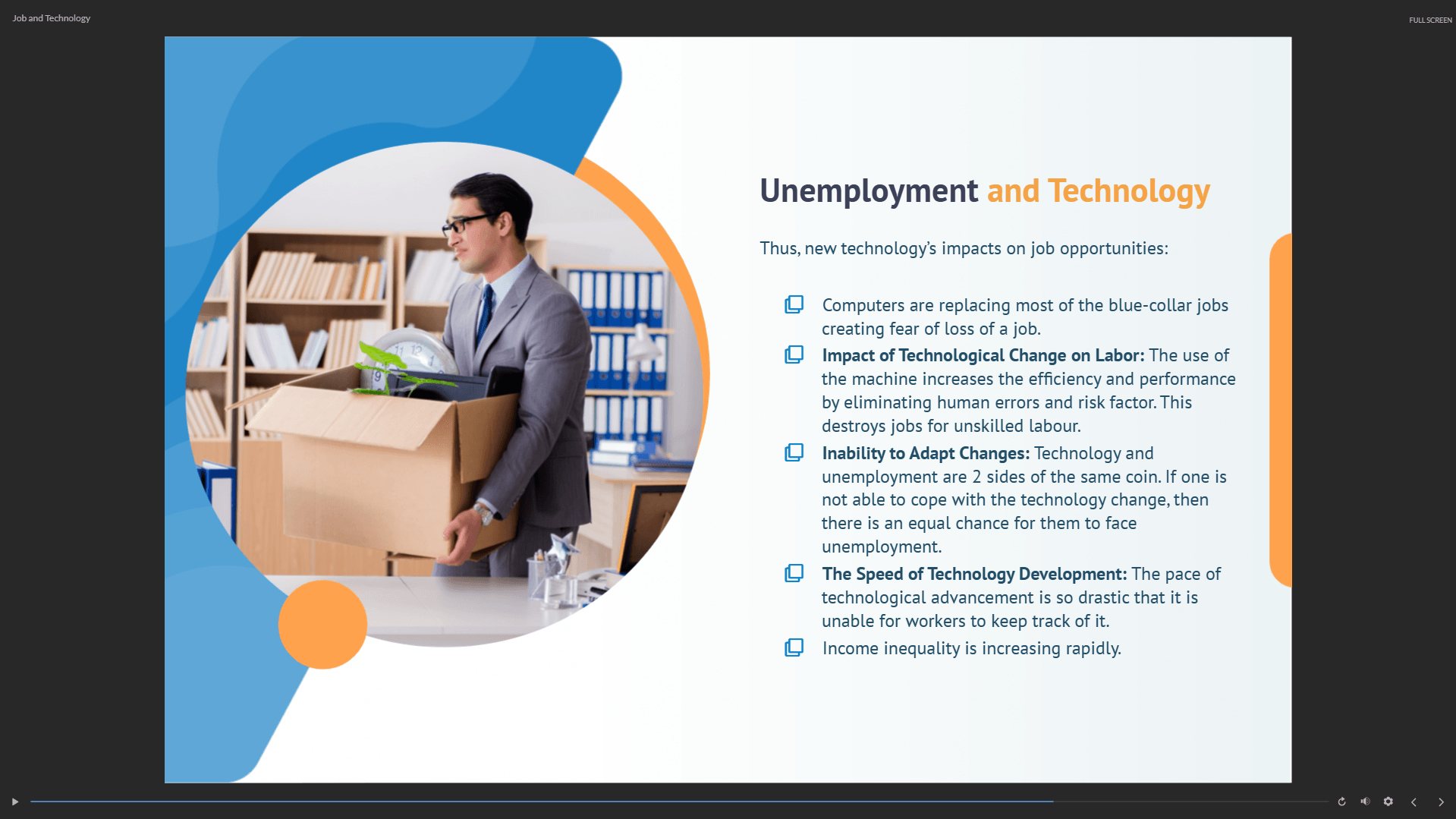
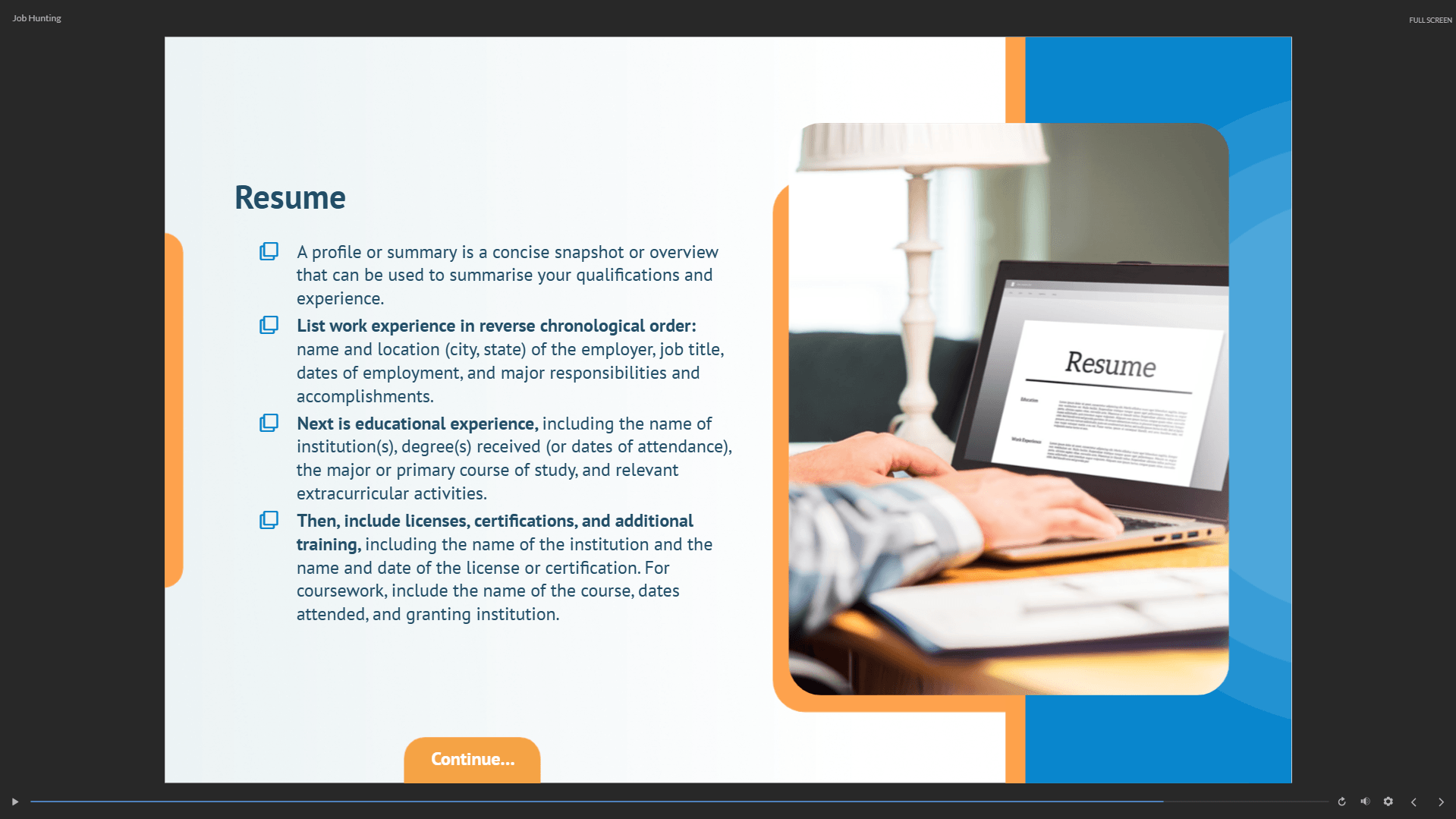
This course supports people who have lost a job or are preparing for employment change within the technology sector. It covers personal recovery, technology trends, career planning and job hunting. Therefore, learners can develop a clearer and more structured approach to their next career step.
Overview of Recovering from a Job Loss in Technology Course
Recovering from redundancy requires emotional resilience, practical planning and an honest review of your professional direction. This Recovering from a Job Loss in Technology course helps learners understand how technological change can affect employment while encouraging a constructive response to career disruption. Moreover, you will explore how to review previous experience, recognise transferable strengths and identify areas that may require development. The course also introduces practical job-search techniques, helping you approach vacancies, applications and career changes with a clearer strategy. Consequently, learners can develop the confidence and organisation needed to move forward after a professional setback.
By completing this course, you will be able to:
- Assess the professional impact of losing a technology-based role
- Separate a temporary employment setback from your long-term career value
- Identify technical and transferable skills gained through previous work
- Evaluate how technology trends may affect future job opportunities
- Recognise when reskilling or upskilling may support progression
- Compare different options for changing careers or specialisms
- Set realistic short-term and long-term employment goals
- Organise a structured and consistent job-search routine
- Tailor applications towards relevant roles and employer requirements
- Build greater confidence when discussing redundancy with recruiters
Exclusive Course Glimpse
Learning Outcomes
After completing the course, learners will confidently understand how to:
- Recognise common emotional and practical challenges following job loss
- Review previous experience without focusing only on a former job title
- Analyse technology trends when considering future career options
- Identify strengths that can transfer between digital and non-digital roles
- Develop a clear career-transition plan with achievable actions
- Improve the structure and focus of job-hunting activities
- Prepare more effectively for applications and professional conversations
- Maintain motivation throughout an extended employment search
Why Choose This Job Loss Recovery Course?
This course combines career reflection with practical employment guidance for people affected by change in the technology sector.
- Relevant subject: Focus on job loss within a changing technology market
- Practical learning: Turn career uncertainty into manageable actions
- Career development: Identify strengths, gaps and future opportunities
- Flexible study: Complete the programme online at your own pace
- Step-by-step lessons: Progress from recovery to active job hunting
- Transferable skills: Understand how existing experience applies elsewhere
- Professional confidence: Prepare to explain career changes positively
- Employment focus: Develop a more organised approach to finding work
Certificate of Achievement
- CPD Accredited Certificate
- Digital Certificate
- Professional Recognition
- CV and LinkedIn Enhancement
- Proof of Professional Skills
Who Is This Course For?​
This course is suitable for:
- Technology professionals who have recently lost their jobs
- Employees concerned about redundancy or industry change
- Job seekers returning to the technology sector
- Professionals considering a new digital specialism
- Career changers moving into another industry
- Freelancers seeking more stable employment
- Graduates facing difficulties entering technology roles
- Anyone who wants a structured job-search strategy
Career Opportunities in the UK
The Recovering from a Job Loss in Technology course can help learners evaluate their previous experience and explore suitable next steps. However, it does not qualify learners for a specific occupation independently. Additional technical training, qualifications or practical experience may be required depending on the role.
IT Support Technician
IT support technicians help users resolve hardware, software, network and account problems. This role may suit professionals with technical troubleshooting experience who want to move into a customer-focused technology position.
Average UK Salary: £24,000 – £36,000 per year
Business Analyst
Business analysts investigate organisational needs and recommend improvements to systems, services or processes. Professionals with technology experience may bring valuable knowledge of digital workflows, project requirements and stakeholder communication.
Average UK Salary: £23,000 – £55,000 per year
IT Project Manager
IT project managers plan technology projects, coordinate teams and monitor budgets, deadlines and delivery risks. This can be a suitable progression route for professionals with technical knowledge, leadership experience and strong organisational skills.
Average UK Salary: £35,000 – £60,000 per year
Software Tester
Software testers assess digital products to identify errors, usability problems and performance issues. The role may suit professionals who are methodical, detail-focused and familiar with software development processes.
Average UK Salary: £24,000 – £50,000 per year
Recruitment Consultant
Recruitment consultants help employers find suitable candidates and support applicants through hiring processes. Former technology professionals may specialise in IT recruitment because they understand technical roles, workplace terminology and industry expectations.
Average UK Salary: £24,000 – £40,000 per year
Careers Adviser
Careers advisers help individuals evaluate their skills, overcome employment barriers and make informed career decisions. Further qualifications may be required, although personal experience of career change can provide useful professional insight.
Average UK Salary: £25,000 – £40,000 per year
Digital Project Coordinator
Digital project coordinators support schedules, documentation, communication and delivery across technology projects. This may provide a practical route for professionals who have industry knowledge but want to move away from highly technical responsibilities.
Average UK Salary: £25,000 – £38,000 per year
Entry Requirements
- No formal qualifications are required
- Suitable for beginners and experienced professionals
- Basic written English is recommended
- Internet access and a suitable digital device are required
- An interest in career recovery and professional development is helpful
Order Your Certificate
To order your Certificate, we kindly invite you to visit the following link
Frequently Asked Questions -
The course is suitable for technology professionals, career changers and job seekers. It may also benefit people facing redundancy or uncertainty about their current role. No previous career coaching knowledge is required.
Yes, the course encourages learners to review their experience and recognise the value of their existing skills. It also helps separate job loss from personal or professional worth. Moreover, practical planning can restore a sense of direction and control.
The curriculum includes a module focused on technology trends. This helps learners consider how industry change may affect job roles and skills demand. Consequently, they can make more informed decisions about retraining and career direction.
Yes, the career-change module helps learners consider alternative roles and professional pathways. You can review transferable skills and identify areas where further development may be useful. However, some careers will require additional qualifications or technical training.
Yes, the course contains a dedicated job-hunting module. It supports a more organised approach to finding suitable opportunities and preparing for applications. In addition, learners can use the guidance to improve consistency during their employment search.
Yes, this career transition course is delivered online. You can access the modules using an internet-connected computer, tablet or smartphone. Therefore, you can study flexibly around personal responsibilities and job-search activities.
No course can guarantee employment. However, this programme can help you understand your options, improve your approach and rebuild professional confidence. Finally, combining the course with relevant technical development and consistent job hunting may strengthen your prospects.
Course Curriculum
| Module 01: Job and Technology | |||
| Job and Technology | 00:00:00 | ||
| Module 02: Getting Over | |||
| Getting Over | 00:12:00 | ||
| Module 03: Technology Trends | |||
| Technology Trends | 00:13:00 | ||
| Module 04: Career Change | |||
| Career Change | 00:13:00 | ||
| Module 05: Job Hunting | |||
| Job Hunting | 00:18:00 | ||
| Final Exam | |||
| Final Exam – Recovering from a Job Loss in Technology | 00:20:00 | ||
Related Courses
Diploma in Graphic Design
Rotating Machines
ChatGPT for Digital Marketing Course
A complete course on Turbocharging
Complete your purchase
🔒 Secure checkout
Preparing your order
Processing your payment…