

Popular Courses

Brand
Awarding body image

Overview of Marine Biology Course – Online Diploma

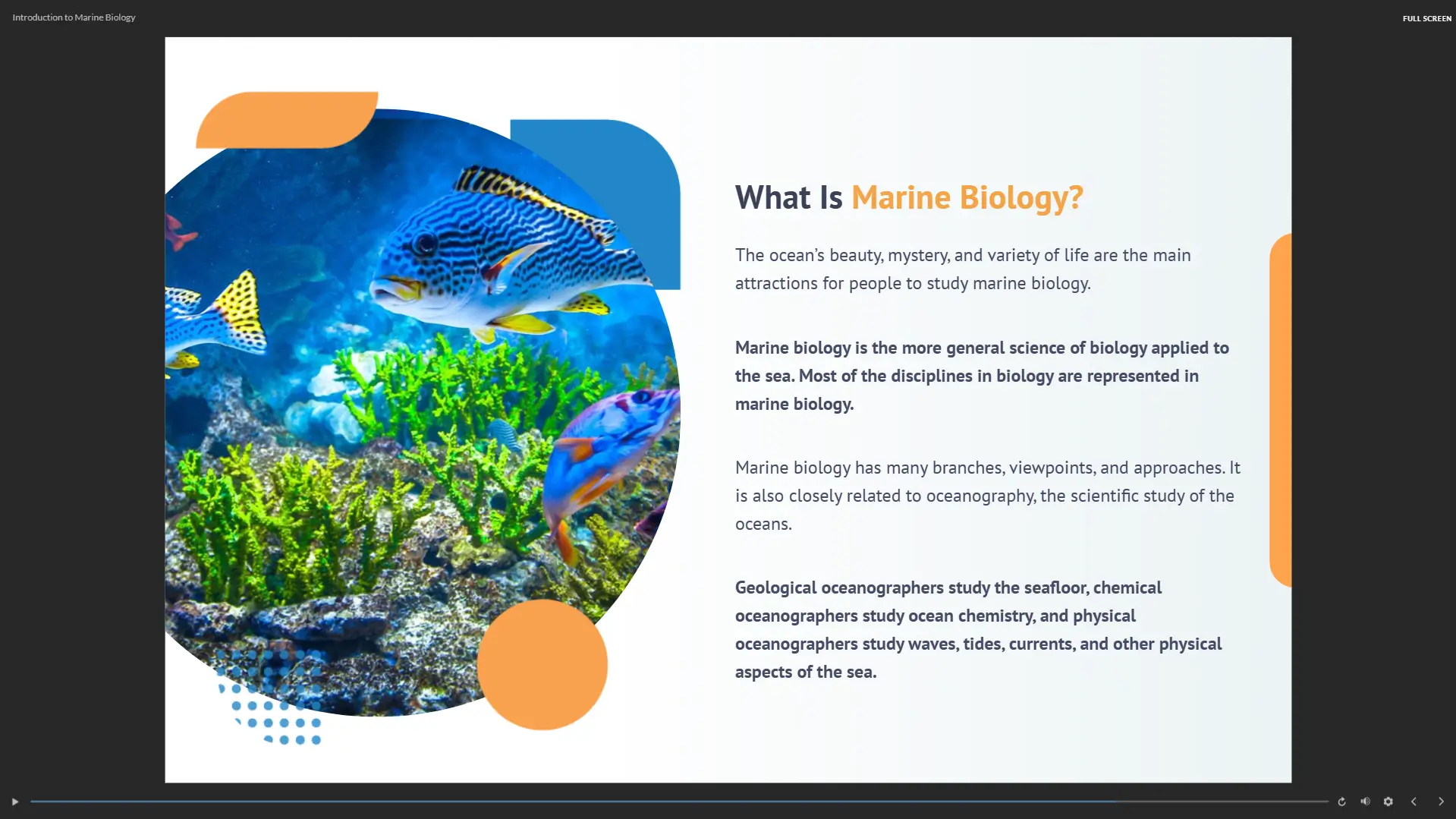
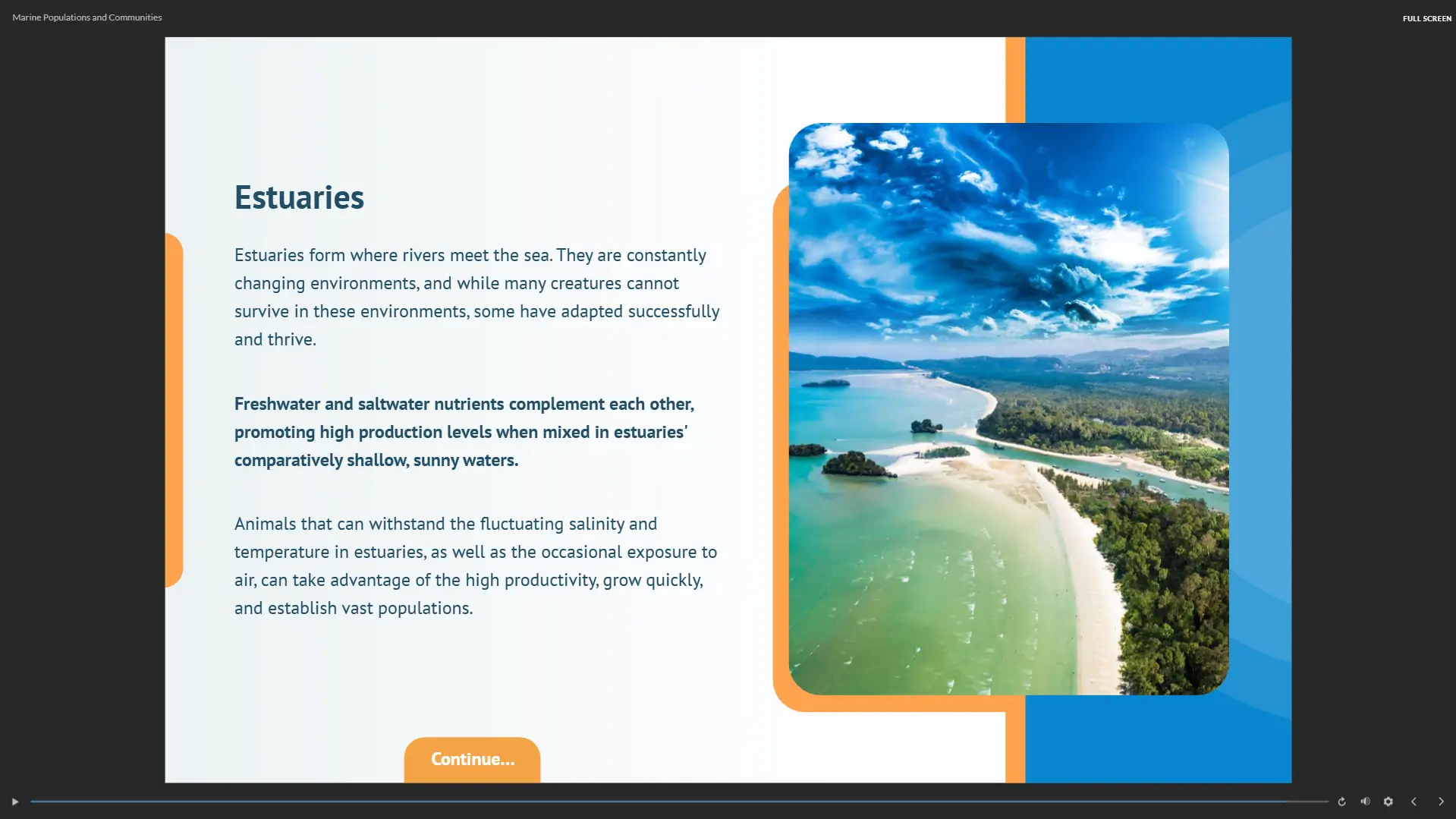
This Marine Biology Course develops a broad scientific understanding of life within ocean environments. Learners will examine how the physical features of the sea influence habitats, species distribution and ecological relationships. Moreover, the course introduces marine microorganisms, invertebrates and vertebrates before progressing to populations, communities and food webs. You will also explore how human activities can disrupt marine systems and why conservation strategies are essential. As a result, learners can discuss marine environments with greater confidence and build a useful foundation for further study in biology, ecology, oceanography or environmental conservation.

By completing this course, you will be able to:

  • Explain the scope and purpose of marine biology
  • Describe the ocean as a diverse biological habitat
  • Identify important characteristics of marine environments
  • Recognise major groups of marine organisms
  • Explain the role of marine microorganisms
  • Distinguish marine invertebrates from vertebrates
  • Describe how populations form ecological communities
  • Explain relationships within marine ecosystems
  • Interpret basic marine food chains and food webs
  • Identify damaging human activities affecting marine life
  • Discuss the importance of protecting marine habitats
  • Explain key principles of marine conservation

Exclusive Course Glimpse

Learning Outcomes

After completing the training, learners will confidently understand how to:

  • Connect ocean conditions with species survival
  • Recognise the ecological importance of marine microbes
  • Compare different groups of marine animals
  • Explain interactions between organisms and their environment
  • Describe energy transfer through marine food webs
  • Identify pressures affecting marine biodiversity
  • Discuss conservation responses to environmental damage
  • Use essential marine biology terminology accurately

Why Choose This Marine Biology Course?

This course provides accessible online learning across important areas of marine science and environmental awareness.

  • Broad scientific coverage: Study habitats, organisms and ecosystems
  • Ecological focus: Explore populations, communities and food webs
  • Conservation relevance: Understand threats to marine biodiversity
  • Progressive modules: Move from ocean foundations to environmental action
  • Flexible online study: Learn around work and personal commitments
  • Career foundation: Prepare for further science or conservation education
  • Beginner-friendly content: Start without previous specialist knowledge
  • Environmental awareness: Connect human behaviour with ocean health

The UK Marine Management Organisation works with conservation bodies to manage activities in marine protected areas and safeguard vulnerable marine species and habitats. This demonstrates the practical importance of marine science across conservation, fisheries and environmental management.

Certificate of Achievement

  • CPD Accredited Certificate
  • Digital Certificate
  • Professional Recognition
  • CV & LinkedIn Enhancement
  • Proof of Professional Skills
Nextgen Certificate

Who Is This Course For?​

  • Beginners interested in marine biology
  • Students exploring biological sciences
  • Marine wildlife enthusiasts
  • Environmental and conservation volunteers
  • Career changers considering science-based roles
  • Aquarium and animal-care staff
  • Teachers or educators expanding subject knowledge
  • Anyone interested in oceans and marine conservation

Career Opportunities in the UK

This Marine Biology Course can support introductory development towards marine science, ecology, conservation and environmental careers. However, specialist scientific roles normally require a relevant degree, practical field or laboratory experience and, in some cases, postgraduate study.

Marine Biologist

Marine biologists study organisms living in oceans, coastal waters and other marine habitats. Their work may involve field surveys, laboratory research, data analysis and reports on species or ecosystem health.

Average UK Salary: £24,000–£40,000 per year. The National Careers Service places biological careers within this range.

Marine Ecologist

Marine ecologists study relationships between marine organisms and their environments. They may conduct habitat surveys, monitor biodiversity and advise conservation or development projects.

Average UK Salary: £24,000–£50,000 per year. Marine biology is listed as a relevant route into ecology.

Oceanographer

Oceanographers study seas, currents, marine organisms and the physical features beneath the seabed. They may collect samples, use research equipment and interpret environmental data.

Average UK Salary: £23,000–£45,000 per year.

Environmental Consultant

Environmental consultants advise organisations about sustainability, pollution, climate impacts and environmental risk. Marine knowledge may be relevant to coastal development, offshore activity and habitat assessments.

Average UK Salary: £25,000–£50,000 per year.

Research Scientist

Research scientists plan investigations, collect evidence and analyse scientific findings. Those specialising in marine subjects may study organisms, ecosystems, water quality or environmental change.

Average UK Salary: £27,000–£48,000 per year.

Conservation Officer

Conservation officers help protect and improve natural environments. In coastal settings, they may support habitat projects, wildlife monitoring, public engagement and environmental management.

Average UK Salary: £22,000–£34,000 per year.

Aquarium Animal Keeper

Aquarium keepers care for animals, prepare food, maintain enclosures and monitor health or behaviour. Marine biology knowledge can support understanding of aquatic species, although practical animal-care experience is also important.

Average UK Salary: £21,000–£28,000 per year.

Entry Requirements

  • No formal qualifications are required
  • Suitable for beginners
  • Basic written English is recommended
  • Internet access and a suitable device are required
  • An interest in oceans, wildlife or biology is helpful
  • Further qualifications are usually required for scientific careers

Order Your Certificate

To order your Certificate, we kindly invite you to visit the following link

Frequently Asked Questions -

A Marine Biology Course explores life in oceans and other saltwater environments. It examines organisms, habitats, populations, ecological relationships and conservation. This programme also considers how human activities affect marine ecosystems.

Yes, the course begins with an introduction to marine biology and the ocean. It then progresses through habitats, organisms, ecology and conservation. Therefore, previous specialist science qualifications are not required.

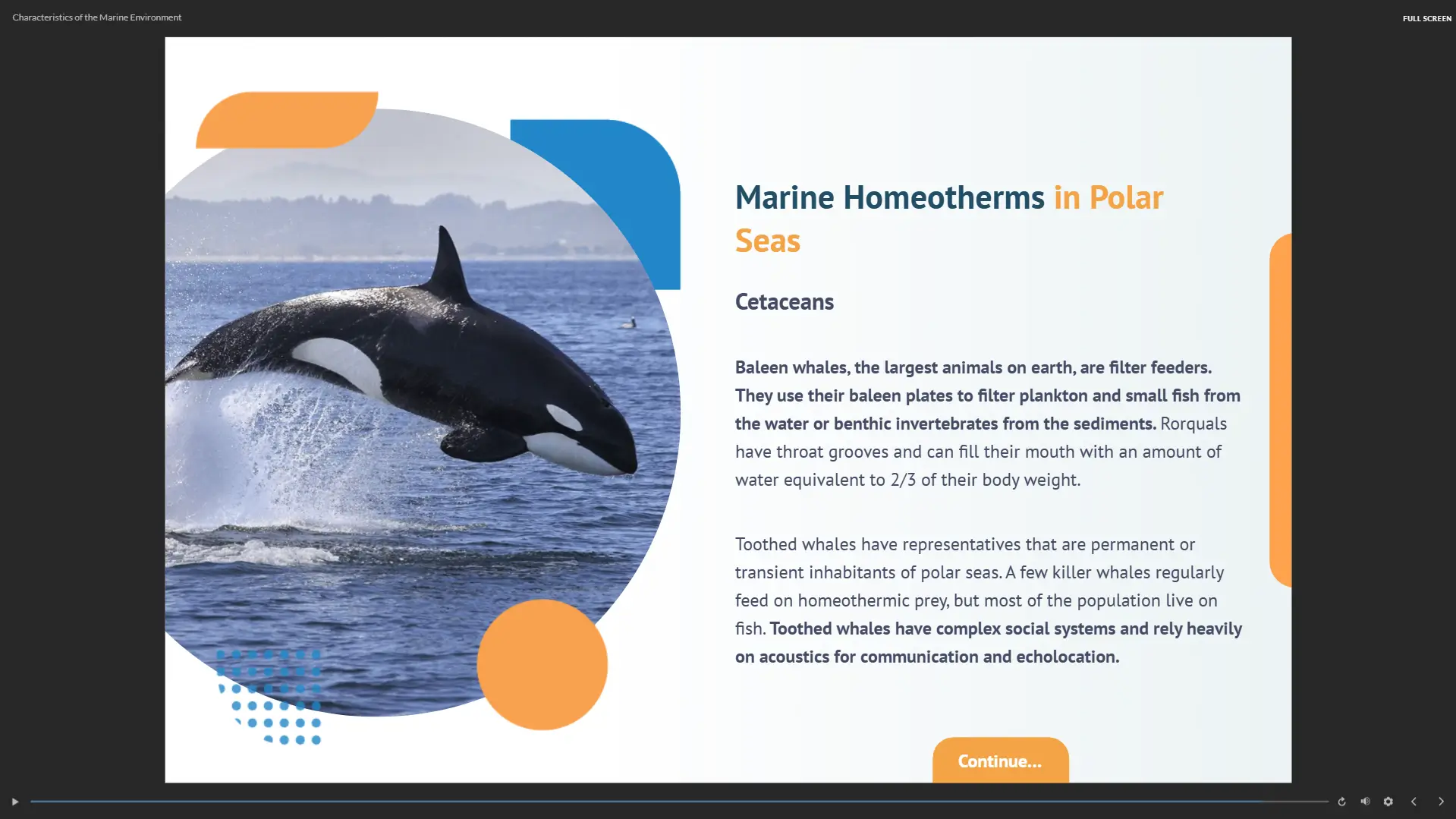
The curriculum covers both marine invertebrates and marine vertebrates. This allows learners to understand the differences between major animal groups. It also places these organisms within wider populations and ecological communities.

Yes, the course includes a dedicated marine ecology module. It also examines populations, communities, food chains and food webs. Consequently, learners can understand how organisms interact and how energy moves through marine systems.

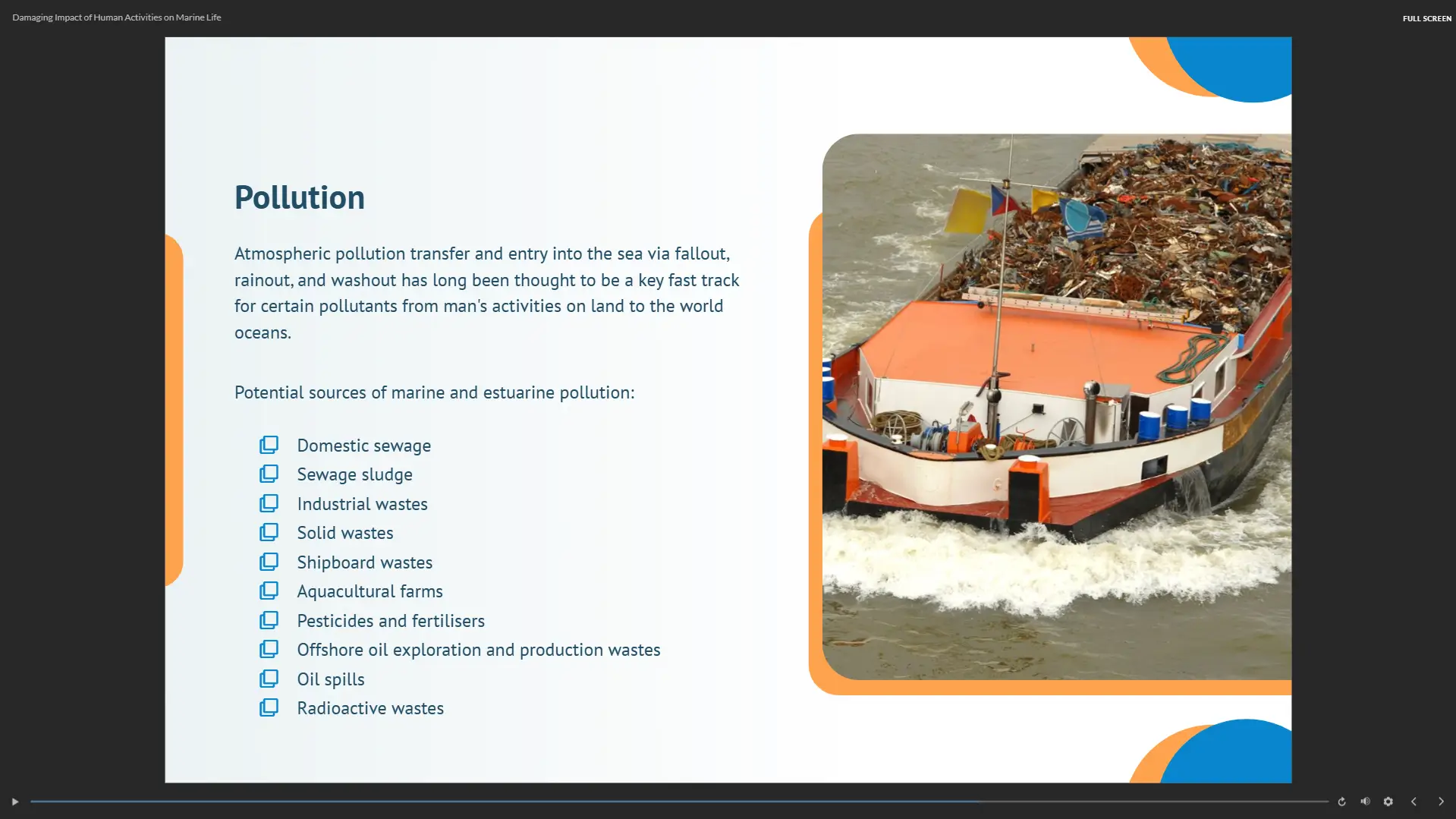
Yes, the final module focuses specifically on marine conservation. The preceding module explains how human activities can damage marine life. Together, these subjects help learners understand both environmental pressures and possible conservation responses.

The course can provide introductory knowledge and help you decide whether to pursue the subject further. However, professional marine biologist roles usually require a relevant university degree, practical experience and sometimes postgraduate study. This diploma should therefore be viewed as foundational professional development rather than a licence to practise.

Yes, the programme is delivered online and can be studied using an internet-connected device. The supplied curriculum contains approximately five hours and three minutes of learning material. Furthermore, flexible access allows learners to progress around existing responsibilities.

Relevant careers include marine biologist, ecologist, oceanographer, conservation officer and research scientist. Environmental consultancy, aquaculture and aquarium work may also connect with marine science. Entry requirements vary, and many scientific positions require degree-level education and practical fieldwork.

Course Curriculum

Module 01: Introduction to Marine Biology
Introduction to Marine Biology 00:25:00
Module 02: The Ocean
The Ocean 00:21:00
Module 03: The Ocean as a Habitat
The Ocean as a Habitat 00:27:00
Module 04: Characteristics of the Marine Environment
Characteristics of the Marine Environment 00:23:00
Module 05: Marine Life
Marine Life 00:20:00
Module 06: Marine Microbes
Marine Microbes 00:24:00
Module 07: Marine Invertebrates
Marine Invertebrates 00:25:00
Module 08: Marine Vertebrates
Marine Vertebrates 00:21:00
Module 09: Marine Populations and Communities
Marine Populations and Communities 00:28:00
Module 10: Marine Ecology
Marine Ecology 00:21:00
Module 11: Food Chains and Food Webs
Food Chains and Food Webs 00:14:00
Module 12: Damaging Impact of Human Activities on Marine Life
Damaging Impact of Human Activities on Marine Life 00:28:00
Module 13: Marine Conservation
Marine Conservation 00:26:00
Assignment
Assignment – Marine Biology Course – Online Diploma 00:00:00
Order Your Certificate
Order Your Certificate 00:00:00
Order Your QLS Certificate
Order Your QLS Certificate 00:00:00

Related Courses

A product of

© 2026 NextGen Learning. All rights reserved

Home Search Cart Offers