

Popular Courses

Brand
Awarding body image

Overview​

Many people struggle to maintain consistent self-care, not because they lack motivation or discipline, but because they have never been taught how self-care actually works from a mental health perspective. In everyday life, self-care is often misunderstood as occasional rest or short-term comfort, rather than a structured set of skills that support emotional balance and long-term wellbeing. As a result, people may try to “push through” stress or ignore early warning signs of burnout, believing that this is normal or unavoidable.

Over time, this lack of understanding can lead to unhealthy patterns. Without clear knowledge of how thoughts, emotions, and behaviour interact, individuals may find it difficult to manage pressure, maintain balance, or respond effectively to challenges. In professional settings, this can affect focus, decision-making, and confidence. Similarly, in personal life, it can reduce motivation, resilience, and overall satisfaction, thereby gradually impacting both mental wellbeing and quality of life.

For this reason, this Mental Health Course presents self care as a practical, learnable skill rather than an abstract idea. Specifically, the course offers a structured approach to understanding self-care within the context of mental health, helping learners recognise patterns, build awareness, and develop sustainable habits. By focusing on clarity, reflection, and practical application, the course addresses the root causes of imbalance rather than offering short-term fixes.

How this course helps you develop practical self-care skills

Firstly, understand self care as a core mental health skill, not a temporary activity

Secondly, recognise how stress, mindset, and behaviour influence wellbeing

Additionally, develop realistic self-care strategies that fit daily life and work routines

Moreover, improve emotional awareness and personal balance through structured learning

Finally, build habits that support long-term mental wellbeing and resilience

The outcomes you can expect

By the end of this course, you will have a clearer understanding of how self-care supports mental health in everyday life. As a result, you will feel more confident in managing pressure and maintaining balance. Most importantly, you will be better equipped to apply practical self-care strategies consistently and sustainably.

What You Will Learn

This course provides a clear and practical understanding of self care as a core mental health skill. Rather than focusing on abstract ideas, learners gain structured knowledge that can be applied consistently in everyday life as well as professional settings.

Through guided learning, you will explore how self-care supports emotional balance, resilience, and wellbeing. In addition, the course helps you understand the connection between thoughts, emotions, habits, and mental health, thereby allowing you to make more informed and sustainable choices.

By the end of the course, learners will be able to apply self-care principles confidently, recognise early signs of stress or imbalance, and maintain healthier routines that support long-term wellbeing rather than short-term relief.

By completing this course, you will learn how to:

  • Firstly, understand self care as a mental health skill, not a temporary solution
  • Secondly, recognise how stress, mindset, and behaviour affect wellbeing
  • Additionally, develop realistic self-care habits that fit daily life and work
  • Moreover, improve emotional awareness and self-regulation
  • Finally, support long-term balance, resilience, and personal wellbeing

Curriculum Explanation

The curriculum of Self Care – A Key To Happiness is structured to guide learners from understanding core concepts to applying self-care principles in everyday life. Each module focuses on clarity, reflection, and practical relevance, ensuring learning remains meaningful and achievable.

  • About This Course

This module introduces self care as an essential mental health skill rather than a lifestyle trend. It explains the purpose of the course, how learning is structured, and why a systematic approach is necessary for building long-term wellbeing and emotional balance.

  • Full Course

The main course content explores key self-care principles, including emotional awareness, mindset management, and daily wellbeing practices. Learners gain insight into how mental health, habits, and behaviour are connected, helping them make informed and sustainable changes in both personal and professional life.

  • Next Steps

This module focuses on reflection and application, guiding learners to translate knowledge into consistent action. It helps learners identify practical ways to maintain self-care routines, manage setbacks, and continue personal development beyond the course.

  • Extra Content for You

Additional learning materials provide reinforcement and deeper insight into self-care and mental wellbeing. This content supports continued learning, encourages self-reflection, and helps learners strengthen their understanding at their own pace.

Certification Details

Upon successful completion of Self Care – A Key To Happiness, learners will receive a certificate of completion as evidence of their participation in structured mental health learning. This certificate reflects engagement with course content focused on self care, wellbeing, and personal development.

The certification can be used to support continued professional development and may be added to a CV or personal learning portfolio. It demonstrates commitment to improving mental wellbeing and developing practical self-care skills that are transferable across both personal and professional contexts.

Nextgen Certificate

Entry Requirements

This mental health course has been designed to be accessible and inclusive, therefore allowing learners from all backgrounds to enrol with confidence. Importantly, there are no formal academic or professional prerequisites required to begin the course.

To participate, learners must be aged 16 or over and have basic literacy skills to engage with the course materials. As the course is delivered online, access to an internet-enabled device such as a computer, laptop, tablet, or smartphone is required.

Additionally, the flexible online format allows learners to study at their own pace, making this self care course suitable for those balancing work, education, or personal commitments.

Who Is This Course For?​

This course is designed for individuals who want to improve their mental wellbeing through practical and structured self care learning. Overall, it is suitable for people at different stages of life and career, with no requirement for prior knowledge or experience in mental health studies.

In particular, the course is valuable for those who feel overwhelmed by daily responsibilities, experience ongoing stress, or want to develop healthier habits that support emotional balance. Additionally, it suits learners who are interested in understanding how self-care contributes to confidence, resilience, and long-term wellbeing.

This self care course is appropriate for:

  • Firstly, students seeking better balance during study and personal life
  • Secondly, working professionals managing pressure, workload, or change
  • Moreover, job seekers aiming to improve confidence and personal wellbeing
  • Finally, individuals interested in mental health awareness and personal development
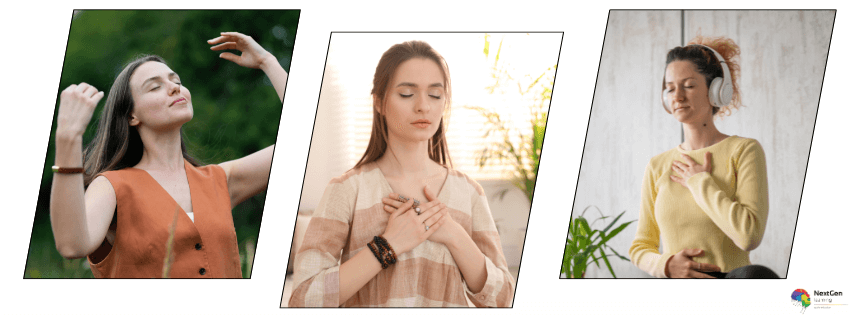
People practising mindful self-care and relaxation to support mental wellbeing and emotional balance

Why This Course Is Important

In today’s fast-paced and high-pressure environment, mental wellbeing is often affected by constant demands, expectations, and limited time for reflection. As a result, many people recognise the importance of self care, yet struggle to practise it consistently because they lack clear understanding of how it supports mental health in a practical and sustainable way.

Without structured self-care knowledge, individuals may experience ongoing stress, reduced focus, and emotional fatigue. Over time, this can affect workplace performance, confidence, relationships, and overall quality of life. Importantly, poor self-care is rarely caused by lack of effort; instead, it often results from limited awareness of how mental health, habits, and behaviour are connected.

For this reason, this mental health course addresses that gap by framing self care as an essential life skill. By learning how to manage wellbeing proactively, learners can make more informed decisions, respond more effectively to pressure, and ultimately maintain balance across both personal and professional settings.

Career Benefits and Personal Outcomes

Developing effective self care skills supports both professional performance and personal wellbeing by improving how individuals manage pressure, emotions, and daily demands. This mental health course helps learners apply self-care principles in a practical and sustainable way, creating benefits that extend across work and life.

Professional benefits include:

  • Improved focus, clarity, and decision-making in the workplace
  • Better stress management during high-pressure or changing situations
  • Increased emotional awareness, supporting confident communication
  • Stronger resilience and consistency in performance over time
  • Transferable wellbeing skills relevant across roles and industries

Personal outcomes include:

  • Healthier daily routines that support long-term mental wellbeing
  • Improved emotional regulation and self-awareness
  • Greater ability to recognise early signs of stress or imbalance
  • More balanced responses to challenges and responsibilities
  • Sustainable habits that support overall quality of life

Order Your Certificate

To order your Certificate, we kindly invite you to visit the following link

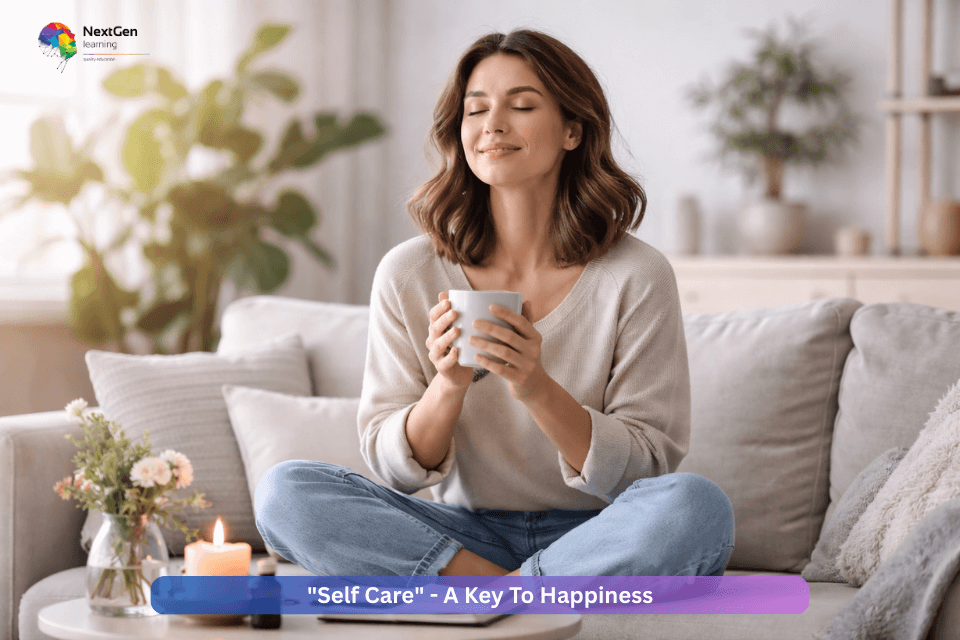
FAQs – "Self Care" - A Key To Happiness

Self-care reduces stress and supports emotional balance. This course teaches practical self-care skills that improve mental wellbeing in everyday life.

Self-love supports healthier choices and emotional stability. This course explains how self-care builds long-term happiness and wellbeing.

The 4 Cs are Care, Compassion, Consistency, and Choice. This course shows how to apply them practically.

Selflessness creates happiness when balanced with self-care. This course helps learners maintain that balance.

There is no single key, but emotional balance is essential. This course supports balanced mental wellbeing.

It suggests happiness comes from circumstances, mindset, and actions. This course focuses on positive daily actions.

They include wellbeing, relationships, purpose, health, and balance. This course supports these pillars through self-care.

They include mental, emotional, physical, and social care. This course introduces them clearly.

It is a grounding technique for anxiety. This course explains how it fits into self-care.

Stress, fatigue, and low motivation are common signs. This course helps you address them early.

Course Curriculum

About this Course
Introduction 00:02:00
Why Self Care is Important? 00:05:00
Full Course
Defining Self Care 00:02:00
Signs that Self Care is Needed 00:04:00
Creating Your Own Self Care Plan 00:06:00
Making Room for Self Care 00:09:00
Setting Goals 00:06:00
How to Get Goals Done 00:06:00
Using a Timer 00:03:00
Ideas to Create To-Do Lists 00:04:00
7 Ingredients for an Extraordinary Life 00:08:00
Morning Rituals 00:05:00
Life Stress Inventory – Mental Health Stress Test Exercise 00:03:00
Mind Mapping Exercise 00:05:00
Next Steps
Next Steps 00:02:00
Extra Content for YOU
Laura’s Story – Watch how Self care & coaching helped Laura to improve her life 00:08:00
Multitasking vs Single tasking EXERCISE 00:05:00
Why we all need to practice emotional first aid – Guy Winch 00:17:00
Order Your Certificate
Order Your Certificate 00:00:00

Related Courses

A product of

© 2026 NextGen Learning. All rights reserved

Home Search Cart Offers
Select your currency
USD United States (US) dollar