





Food Hygiene and Safety Advice For Food Business
Have a passion for food and chef skills? Dreaming of starting your own food business? Here’s some essential advice before you take the leap.
The most important requirement for any food business is food hygiene and safety. Even the most delicious recipes, unique menu, and beautiful interior design won’t save you if your customers get sick. They also won’t be satisfied if they’re concerned about the hygiene and safety of your food.
Food advertising should go beyond just your yummy food menu. Highlight your commitment to food safety!
Think of it this way: Attractive marketing and a trendy space can attract customers, but only food safety and hygiene will ensure they come back. Failing to prioritize these can lead to huge losses for your business.
So, the most important role in proper food marketing is food hygiene and safety.
Now, let’s break down some essential food safety and hygiene tips for your food business…
Table of Contents
Introduction to Food Hygiene and Safety
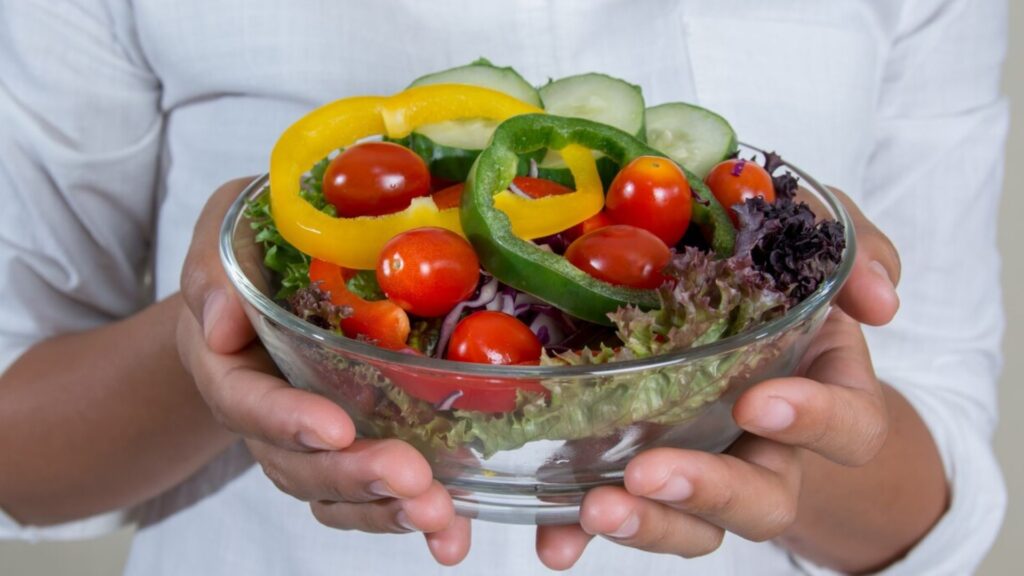
Food Hygiene
Food hygiene focuses on maintaining cleanliness in food preparation and handling. This includes washing hands, sanitising surfaces, and proper storage of ingredients to prevent contamination. Good food hygiene practices are vital in food marketing and fast food advertising, as they build trust and attract more customers.
Food Safety
Food safety, on the other hand, involves procedures to ensure that food is free from hazards. This includes monitoring cooking temperatures, avoiding cross-contamination, and adhering to food safety regulations. Ensuring food safety in your business not only protects your customers but also enhances your reputation.
By prioritising both food hygiene and safety, your food business can thrive. These practices are not just about compliance; they are essential food advice for a successful venture, ensuring customer satisfaction and repeat business.
Food Safety and the Difference with Hygiene
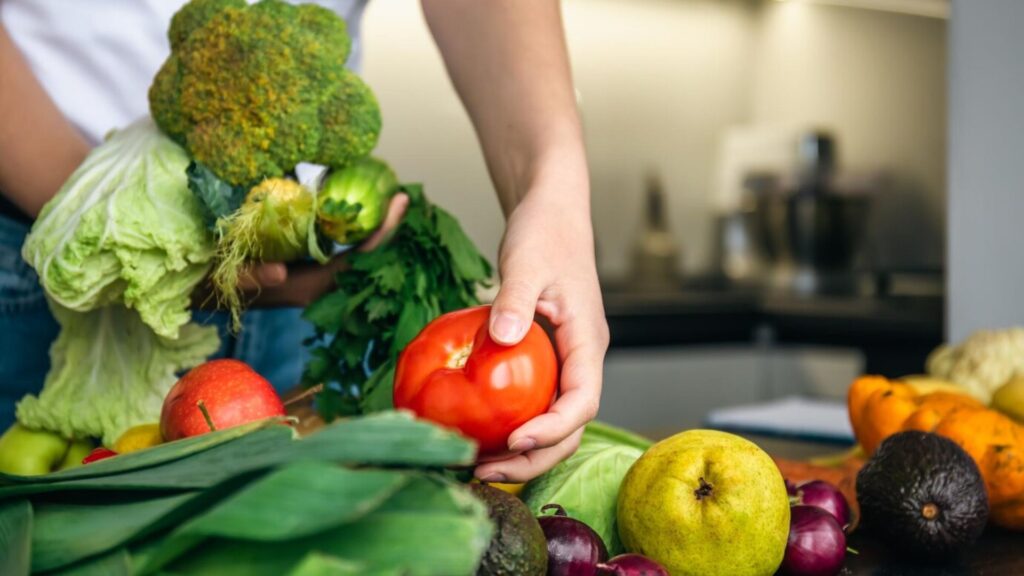
Understanding the difference between food safety and food hygiene is crucial for any food business. While these terms are often used interchangeably, they refer to different aspects of maintaining food quality and preventing health risks.
- Food Hygiene focuses on the cleanliness and sanitation of the food preparation environment. This includes practices like regular handwashing, cleaning and sanitising surfaces, proper storage of ingredients, and ensuring that utensils and equipment are clean. Good food hygiene practices are essential for preventing contamination and ensuring that food is safe to consume. In food marketing and fast food advertising, highlighting your commitment to food hygiene can attract health-conscious customers and build trust in your brand.
- Food Safety encompasses a broader range of practices aimed at preventing foodborne illnesses and ensuring that food is safe to eat. This includes following proper cooking and storage temperatures, avoiding cross-contamination, and adhering to food safety regulations and standards. Food safety protocols are designed to eliminate or reduce hazards that could harm consumers. Emphasising food safety in your food business is crucial for protecting your customers and your reputation.
In summary, food hygiene is about maintaining cleanliness and preventing contamination, while food safety is about implementing practices to ensure that food is free from hazards. Both are vital for the success of your food business, and incorporating these elements into your food advice, food marketing, and fast food advertising will help ensure customer satisfaction and loyalty.
Implementing strict protocols for food safety and hygiene is essential for any food business. These protocols ensure that food is prepared, stored, and served in a manner that prevents contamination and foodborne illnesses. Here are some key protocols to follow, incorporating food laws and best practices:
Personal Hygiene:
- Ensure that all staff wash their hands thoroughly with soap and water before handling food, after using the restroom, and after touching raw ingredients. This is a fundamental food protocol.
- Provide clean uniforms, hairnets, and gloves to minimise the risk of contamination, aligning with food hygiene standards.
- Encourage staff to report any illnesses and refrain from working when sick, as mandated by food laws.
Cleanliness and Sanitation:
- Regularly clean and sanitise all surfaces, equipment, and utensils used in food preparation. This food safety protocol helps prevent contamination.
- Establish a cleaning schedule to ensure that all areas of the kitchen and food storage are kept hygienic, which is critical for any food business.
- Use food-safe cleaning products and follow the manufacturer’s instructions for effective sanitation, complying with food laws.
Proper Food Storage:
- Store food at the correct temperatures to prevent the growth of harmful bacteria, a key aspect of food safety.
- Refrigerate perishable items promptly and keep them at or below 5°C, as per food safety protocols.
- Use airtight containers to store food and prevent cross-contamination, ensuring food hygiene.
- Implement a first-in, first-out (FIFO) system to ensure that older stock is used before newer stock, a standard food protocol.
Cooking and Holding Temperatures:
- Cook food to the recommended internal temperatures to kill any harmful pathogens, adhering to food safety standards.
- Use a food thermometer to verify temperatures, ensuring compliance with food laws.
- Keep hot foods hot (above 63°C) and cold foods cold (below 5°C) to prevent bacterial growth during serving, a vital food protocol for any food business.
Avoiding Cross-Contamination:
- Use separate cutting boards, knives, and utensils for raw and cooked foods, a crucial food safety practice.
- Wash hands, surfaces, and equipment thoroughly after handling raw food to maintain food hygiene.
- Store raw meat, poultry, and seafood separately from ready-to-eat foods, in line with food laws.
Regular Training and Monitoring:
- Provide ongoing training for staff on food safety and hygiene practices, a necessary food protocol.
- Conduct regular inspections and audits to ensure compliance with food safety standards, essential for any food business.
- Keep records of cleaning schedules, temperature logs, and staff training to meet food law requirements.
By adhering to these protocols, your food business can maintain high standards of food hygiene and safety, ensuring the well-being of your customers and the success of your venture. Prioritising these practices in your food advice, food marketing, and fast food advertising will help build a trustworthy and reliable brand.
The Importance of Food Hygiene and Safety in Your Food Business
The most important part of the food business is maintaining food hygiene and food safety. Without this, a food business cannot run successfully. If any customer gets sick from foodborne viruses or bacteria, it can cause a huge loss in the food business. Cleaning the kitchen is the number one priority in the food business. The food interior, tables, ingredients, and dishes must all be cleaned properly. Using clean water for washing dishes and other utensils, as well as for serving customers, is crucial. Recipes should also be kept neat and clean during cooking and serving.

Customers will repeatedly choose a clean food court over an unhealthy one, no matter how tasty the food might be. Therefore, the number one rule in the food business is maintaining food hygiene and food safety to serve healthy food. Customers are no fools. They’d choose a spotless food court over a potentially risky one, no matter how delicious the food is. This is why prioritizing food safety is the golden rule. By ensuring food is free from harmful bacteria, viruses, and pathogens, you’re not just protecting your customers, you’re building trust and loyalty. This is especially crucial for vulnerable populations like pregnant women, children, and the elderly, whose health can be severely impacted by foodborne illnesse.
Food safety isn’t just about keeping customers healthy. It’s also about protecting your business. Failure to comply with regulations can lead to hefty fines, legal issues, and even closure. Promoting food hygiene and safety is also a great way to market and advertise food businesses., showcasing your commitment to quality and responsible practices. This translates to a positive reputation, increased customer trust, and ultimately, a thriving food business.
Taking Healthy Cooking Classes to Maintain Food Quality and Hygiene
Anyone starting a food business should consider taking healthy cooking classes. These classes can greatly improve food quality and hygiene, which are essential for a successful food business. Learning new techniques and recipes helps you maintain high standards of food safety and hygiene. The more you learn, the better you can provide top-quality service.
Taking cooking classes is not only beneficial for your health but also for your food business. These classes teach you how to use the right quantities of ingredients, ensuring food safety and hygiene. Alongside your creativity, these skills can significantly enhance your food quality. If you’re looking to start fresh in the food business, taking a cooking class can be a game-changer.
Healthy cooking classes help you understand how to maintain proper hygiene and safety standards. They provide valuable insights into keeping your kitchen clean and your food safe. Investing in these classes is an investment in your business’s success. By prioritising food safety and hygiene, you can build a reputable and thriving food business.
Food Advertising and Food Marketing

Food advertising and marketing are essential for attracting customers, but for a food business, it goes hand-in-hand with impeccable food hygiene and safety. Here’s how to strike the perfect balance:
Marketing with a Mouthwatering Message:
- Focus on Flavor and Quality: Make your food the star! Highlight fresh ingredients, delicious recipes, and unique offerings.
- Target the Right Audience: Understand who your ideal customer is and tailor your message to their preferences. Are they health-conscious? Family-oriented? Adventurous eaters?
- Sensory Appeal: Use mouthwatering descriptions, vibrant visuals, and even video to stimulate the senses and create a desire for your food.
Social Media Savvy:
- Engaging Content: Share recipes, cooking tips, and behind-the-scenes glimpses into your kitchen to build trust and transparency.
- Positive Customer Reviews: Encourage satisfied customers to leave reviews and showcase them on your platforms.
- Food Safety Focus: Integrate hygiene practices into your content. Briefly showcase clean kitchens, well-trained staff, and proper food handling techniques.
Safety First, Always:
- Comply with Regulations: Ensure you adhere to all local food safety regulations and hygiene standards.
- Invest in Training: Regularly train your staff on proper food handling, storage, and sanitation procedures.
- Maintain a Clean Environment: Implement a rigorous cleaning and disinfection schedule for all equipment, surfaces, and utensils.
- Traceability is Key: Maintain a system to trace ingredients back to their source in case of any recalls.
Marketing Food Safety:
- Highlight Your Commitment: Showcase your food safety certifications, inspections, and hygiene ratings in your marketing materials.
- Transparency is Key: Be open about your food sourcing and preparation methods.
- Address Customer Concerns: Proactively address any food safety concerns on social media or your website.
By combining creative marketing with a strong commitment to food safety, you can build trust with your customers and establish your business as a leader in delicious and responsible food preparation.
The Importance of Personal and Team Hygiene

How important is workplace safety in maintaining a healthy environment and ensuring the safe serving of food? In the food business, it’s absolutely crucial. Every employee must maintain high standards of hygiene and safety, particularly in the kitchen, to prevent the spread of bacteria that can make customers sick. Personal and team hygiene is essential to reducing this risk, as anyone from a waiter to a chef can quickly spread germs.
Hygiene is a critical part of life for everyone, and its importance is magnified in the food business. Religions worldwide have preached the value of cleanliness, which not only affects physical health but also boosts self-confidence and morale. Good hygiene practices help create a comfortable working environment, which is vital for both employees and customers in the food business.
Maintaining a clean workplace is more than just good practice—it’s essential for food safety. Poor hygiene can lead to illnesses, causing employees to take sick leave and potentially leading to health issues that affect their personal and professional lives. In the food business, an unsanitary workplace can reduce productivity, lower morale, and even result in health and safety claims against your business.
The COVID-19 pandemic highlighted the importance of maintaining a clean workplace for the safety of employees. In the food business, this is even more critical. Cleanliness in the kitchen and dining areas is vital for the health and wellbeing of staff and customers, and it upholds the image of your brand.
Food safety starts with personal and team hygiene. Every employee in the food business must understand that their hygiene practices directly impact customer health. By maintaining high standards of cleanliness, you not only protect your customers but also ensure the smooth running and reputation of your business. In conclusion, food safety and food marketing rely heavily on the hygiene practices of your team.
Food Premises Design and Cleaning Schedules
Designing food premises and maintaining strict cleaning schedules are critical for ensuring food safety in the food business. Here are five key points to consider:
- Hygienic Layout: The design of food premises should ensure a smooth workflow, minimising cross-contamination. Separate areas for raw and cooked foods are essential for maintaining food safety.
- Durable Materials: Use easy-to-clean, non-porous materials for surfaces, floors, and walls. This helps in maintaining high hygiene standards, which is crucial for food safety and effective food marketing.
- Proper Ventilation: Adequate ventilation is vital to prevent the buildup of heat, steam, and odours, which can compromise food safety and the overall environment of the food business.
- Regular Cleaning Schedules: Implement detailed cleaning schedules, specifying what needs to be cleaned, how often, and with what cleaning agents. This routine ensures consistent food safety and promotes a positive image in food marketing.
- Employee Training: Regular training on cleaning protocols and food safety practices is essential. Well-informed staff are crucial to maintaining hygiene standards and ensuring the success of the food business.
By focusing on these key points, a food business can uphold food safety standards, thereby enhancing its reputation and effectiveness in food marketing. Maintaining a clean and well-designed food premises is fundamental to the success of any food business.
Understanding Food Hazards
Ensuring food safety is non-negotiable in the food industry. Hidden dangers, known as food hazards, can lurk throughout the entire food chain, from farms to our plates, potentially causing harm to consumers. Therefore, understanding and managing these hazards is critical for all food businesses, regardless of size, from cozy cafes to massive manufacturers.
There are three main categories of food safety hazards:
- Biological: Bacteria, viruses, parasites, and mold can contaminate food at various points, causing foodborne illness. Proper food handling, temperature control, and sanitation are essential to prevent biological hazards.
- Chemical: Cleaning solutions, pesticides, and even naturally occurring toxins can make food unsafe. Food safety protocols include using approved cleaning products, storing chemicals securely, and purchasing ingredients from reputable sources.
- Physical: Foreign objects like glass shards, metal fragments, or even hair can pose choking or injury risks. Metal detectors, proper utensil storage, and thorough cleaning procedures help minimize physical hazards.
Implementing a Hazard Analysis and Critical Control Points (HACCP) system helps identify and manage potential hazards, ensuring that food safety standards are consistently met. This is vital for food marketing, as customers are increasingly concerned about the safety of the food they consume.
In conclusion, understanding and managing food hazards is fundamental for the success of any food business. It ensures food safety, boosts consumer confidence, and enhances the effectiveness of food marketing strategies.
HACCP: Your Food Safety Roadmap
Securing a HACCP certification is crucial for any food business aiming to enhance food safety and food marketing. Here are the necessary steps to achieve HACCP certification:
- Assemble a HACCP Team: Form a dedicated team with diverse expertise in your food business to develop, implement, and maintain the HACCP plan. This team will oversee food safety protocols.
- Conduct a Hazard Analysis: Identify potential biological, chemical, and physical hazards in your food business. This analysis helps pinpoint critical control points to ensure food safety.
- Determine Critical Control Points (CCPs): Identify stages in the food production process where controls are essential to prevent or eliminate hazards, ensuring the highest standards of food safety.
- Establish Critical Limits: Set measurable limits for each CCP, such as temperature and time, to ensure hazards are controlled. These limits are crucial for maintaining food safety.
- Implement Monitoring Procedures: Develop procedures to consistently monitor CCPs. This ensures your food business maintains control over food safety hazards.
- Establish Corrective Actions: Define actions to be taken when monitoring indicates that a CCP is not within the established limits. This is vital for maintaining food safety.
- Verification Procedures: Regularly review and verify the effectiveness of the HACCP plan. This step ensures ongoing food safety and boosts your food marketing efforts.
- Documentation and Record Keeping: Maintain detailed records of all procedures, monitoring, and corrective actions. This documentation is crucial for demonstrating food safety compliance.
Following these steps will help your food business secure HACCP certification, ensuring food safety and enhancing your food marketing strategies.
The Importance of Food Safety and Hygiene Training Courses

Think about it: Loyal customers singing your praises, a business overflowing with success, and your reputation built on pure quality. Sounds like a dream come true, doesn’t it?
Well, the secret ingredient to this recipe for success is food safety and hygiene training for your team.
Here’s why:
- Customers Love Safe Food: People want to know their food is handled with care. Training your staff shows you take food safety seriously, building trust and keeping customers coming back for more. This positive reputation is like free advertising, attracting new customers who value quality.
- Save Money, Save Food: Proper training helps prevent food spoilage. Your team will learn how to store food correctly and avoid mistakes that lead to waste. This saves you money and helps the environment by reducing food thrown away.
- Happy Employees, Happy Food: When your staff understands food safety procedures, they can work with confidence. Training empowers them to handle food safely and efficiently, creating a positive work environment and reducing costly mistakes.
- Quality You Can Taste: Food safety isn’t just about avoiding illness. It’s about keeping your food tasting its best. Trained staff know how to prevent cross-contamination, cook food to the right temperature, and keep equipment clean. This all adds up to delicious food that keeps customers happy.
- Shout it From the Rooftops: In today’s world, people want to know where their food comes from and how it’s handled. By highlighting your commitment to food safety in your advertising, you show you care about quality. This can be a powerful marketing tool that sets you apart from the competition.
Investing in food safety and hygiene training isn’t just about following the rules. It’s about building a successful business that thrives on happy customers, a strong reputation, and of course, delicious food!
Advice for Overall Discussion
Dreaming of starting a food business? Prioritising food hygiene and food safety is essential for long-term success. Implementing strong food safety protocols and maintaining high hygiene standards can greatly improve your food advertising and food marketing. Regularly train your staff in food safety and hygiene to ensure they handle food safely and efficiently. Highlight your commitment to food safety in your marketing materials to build trust with customers. A clean and safe food environment is crucial not just for following rules but also for creating a good reputation. Effective food advertising should always include your focus on food safety to attract health-conscious customers. By including food safety in your marketing strategy, you can stand out from competitors and ensure customer loyalty. In short, food advertising and food marketing that focus on food hygiene and food safety are key to attracting and keeping customers, ensuring your food business thrives.
Adding cybersecurity awareness to your CV is a smart move. This essential skill involves knowing how to protect information online by using strong passwords and spotting phishing scams.
Being skilled in cybersecurity is crucial because it helps you keep both your own and your employer’s data safe from online threats. This is especially important in sectors like finance, healthcare, and IT, where protecting sensitive information is paramount.
By highlighting your cybersecurity awareness on your CV, you show potential employers that you’re equipped with key computer skills necessary for safeguarding data, making you a valuable addition to any team.
Get All 3000+ Courses for Lifetime !

FAQs
Ans: Food safety is crucial for any food business because it prevents foodborne illnesses, ensures customer satisfaction, and complies with legal regulations. Prioritising food safety in your operations can enhance your reputation and effectiveness in food advertising and food marketing.
Ans: Food hygiene plays a significant role in food marketing. Highlighting your commitment to cleanliness and hygiene in your food advertising can build trust with customers, making them more likely to choose your food business. A hygienic environment ensures food safety, which is a key selling point in food marketing.
Ans: Essential food safety protocols include proper handwashing, sanitising surfaces, correct food storage temperatures, and preventing cross-contamination. These practices are vital for maintaining food safety and should be highlighted in your food advertising and food marketing strategies.
Ans: Food safety training empowers your staff with the knowledge to handle food safely, reducing the risk of foodborne illnesses. Well-trained staff ensure consistent food safety, which enhances your food business’s reputation and supports effective food advertising and food marketing.
Ans: HACCP (Hazard Analysis and Critical Control Points) is a systematic approach to food safety that identifies and controls potential hazards. Implementing HACCP in your food business ensures high food safety standards, which is crucial for successful food advertising and food marketing.
Ans: Maintaining food hygiene helps in food advertising by showcasing your commitment to cleanliness and safety. This can attract health-conscious customers and build a positive image for your food business, making your food marketing more effective.
Ans: Yes, good food safety practices can significantly improve customer loyalty. When customers trust that your food business prioritises their health through rigorous food safety standards, they are more likely to return and recommend your establishment, boosting your food marketing efforts.
Ans: Incorporate food safety into your food marketing strategy by highlighting your hygiene practices, food safety certifications, and staff training programs. Use these points in your food advertising to build trust and attract more customers to your food business.
Ans: Poor food safety can lead to foodborne illnesses, legal issues, and a damaged reputation. This negatively impacts your food business and undermines your food advertising and food marketing efforts, potentially leading to a loss of customers.
Ans: Regularly review and update your food safety protocols to ensure they meet current regulations and best practices. This ongoing commitment to food safety supports your food business and strengthens your food advertising and food marketing campaigns.

0 responses on "Food Hygiene and Safety Advice For Food Business"