





Barriers in Health and Social Care: Types, Examples & Solutions
Barriers in health and social care can stop people from getting the support, treatment and dignity they need. Sometimes the barrier is obvious, such as a building with no wheelchair access. However, in many cases, the barrier is less visible. It may be a language gap, a lack of transport, confusing paperwork, digital exclusion, or even fear of being judged.
As a result, barriers in health and social care do far more than create inconvenience. They can delay treatment, reduce independence, damage trust and worsen health outcomes over time. Moreover, they can affect people at every stage of care, from booking an appointment to understanding medication, attending follow-up visits, or accessing social support in the community.
In this guide, you will learn what barriers in health and social care are, the main types professionals must understand, real examples from care settings and practical ways to overcome them. Importantly, this article is designed for learners, carers, support workers and anyone who wants a clearer understanding of how inclusive, person-centred care can improve access and outcomes for everyone.
Table of Contents
What Are Barriers in Health and Social Care?

Barriers in health and social care refer to any obstacle that prevents individuals from accessing, understanding, or receiving the care and support they need. These barriers can occur at different stages of the care journey. For example, a person may struggle to book an appointment, communicate with a healthcare professional, travel to a service location, or understand medical advice.
Importantly, barriers do not only affect access to treatment. They can also influence how safe, effective and inclusive care feels for the person receiving it. When barriers are present, individuals may delay seeking help, misunderstand health information, or feel excluded from decision-making about their own care. Consequently, this can lead to poorer health outcomes, increased inequality and reduced trust in health and social care services.
In practice, barriers may appear in many forms. Some are physical and visible, while others relate to communication, culture, finances, or technology. Because of this, health and social care professionals must recognise different types of barriers and understand how they affect diverse service users.
Common characteristics of barriers in health and social care include:
- Obstacles to accessing services – Difficulty reaching hospitals, clinics, or community support due to location, transport, or infrastructure limitations.
- Communication challenges – Language differences, hearing difficulties, or complex medical terminology that make information harder to understand.
- Social and cultural differences – Beliefs, traditions, or stigma that influence how individuals perceive illness, treatment and healthcare professionals.
- Financial limitations – Costs related to travel, prescriptions, childcare, or time away from work that may discourage people from seeking care.
- System-related barriers – Complicated appointment systems, long waiting times, or digital-only services that exclude certain groups.
Therefore, understanding barriers is essential for delivering person-centred care, where services are adapted to meet the needs of individuals rather than expecting individuals to adapt to the system. When professionals identify and reduce these barriers, they help ensure that care becomes more accessible, inclusive and effective for everyone.
Barriers are only one part of understanding how care services work. If you are building your knowledge of the wider sector, our What Is Health and Social Care? guide explains the main services, professional roles, principles and career pathways across health and social care.
Why Barriers in Health and Social Care Matter
Barriers in health and social care matter because they directly influence how easily people can access services, understand information and receive appropriate support. When barriers exist, individuals may struggle to obtain timely treatment or essential care services. Consequently, even minor health concerns can worsen over time, leading to more serious conditions and increased pressure on healthcare systems.
Moreover, barriers can significantly affect equity and fairness in care delivery. Vulnerable groups such as older adults, people with disabilities, migrants, individuals with limited financial resources, or those living in rural areas often face greater challenges when accessing services. As a result, these barriers can widen health inequalities and prevent individuals from receiving the same level of care as others.
For health and social care professionals, recognising barriers is therefore essential. When staff understand these obstacles, they can adjust communication methods, provide accessible information and ensure that services remain inclusive. This proactive approach improves both patient experience and overall care outcomes.
Barriers in health and social care can lead to several important consequences:
- Delayed diagnosis and treatment – When individuals struggle to access services or communicate symptoms clearly, medical issues may remain untreated for longer periods.
- Reduced patient engagement – People who face repeated barriers may feel discouraged from seeking help or participating in their care decisions.
- Lower quality of care experiences – Miscommunication, confusion, or lack of support can reduce trust between service users and care providers.
- Increased health inequalities – Certain communities may consistently receive less access to care due to social, cultural, financial, or geographical challenges.
- Greater pressure on healthcare systems – When early care is inaccessible, preventable conditions may develop into more complex health problems requiring intensive treatment.
Therefore, addressing barriers is not simply about improving convenience. Instead, it is a core responsibility within modern health and social care systems, where accessibility, equality and person-centred care are fundamental principles. By identifying and reducing barriers, professionals help ensure that care services remain inclusive, effective and responsive to the diverse needs of the communities they serve.
Main Types of Barriers in Health and Social Care
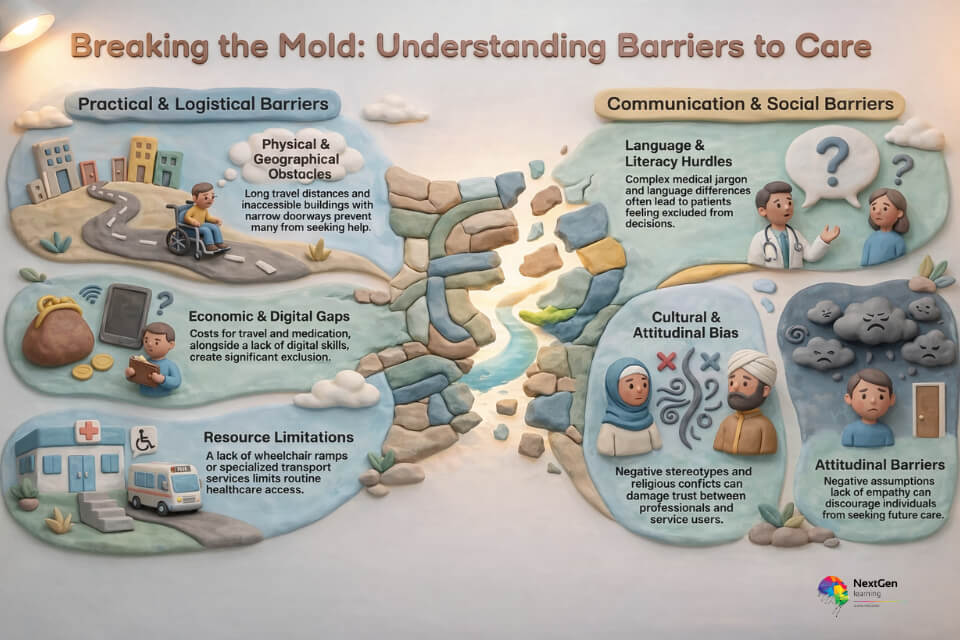
Barriers in health and social care can appear in many different forms. Some barriers relate to physical access to services, while others affect how individuals communicate, understand information, or feel treated within the care system. Therefore, recognising these barriers is essential for professionals who want to deliver inclusive, person-centred care.
Although each individual may experience barriers differently, most obstacles in health and social care fall into several key categories. Understanding these categories helps professionals identify potential problems early and take steps to reduce them.
Communication and Language Barriers
Communication is one of the most important elements of effective care. However, communication barriers often prevent service users from understanding health information or expressing their needs clearly. Consequently, misunderstandings may occur between patients and professionals.
Communication barriers may arise when:
- Language differences exist – Service users may not speak the same language as healthcare professionals, making conversations about symptoms, treatments, or instructions difficult.
- Medical terminology is too complex – Technical language or jargon can confuse patients who are unfamiliar with healthcare terms.
- Hearing or speech difficulties occur – Individuals with hearing impairments, speech conditions, or sensory disabilities may struggle during conversations with care providers.
- Low health literacy affects understanding – Some individuals may find it difficult to read medical information, follow instructions, or interpret written guidance.
When communication barriers are not addressed, patients may misunderstand treatment plans or feel excluded from decisions about their care.
Strong communication skills can help professionals recognise and reduce many of these problems. Our Essential Communication Skills in Health and Social Care guide explains active listening, verbal communication, non-verbal communication and practical ways to communicate more effectively in care settings.
Physical and Accessibility Barriers
Physical barriers refer to environmental obstacles that make healthcare services difficult to access, particularly for individuals with mobility limitations or disabilities. These barriers often relate to buildings, equipment, or physical infrastructure.
Common examples include:
- Lack of wheelchair access – Buildings without ramps, lifts, or accessible entrances may prevent some individuals from entering healthcare facilities.
- Inaccessible facilities – Narrow doorways, poorly designed waiting areas, or unsuitable examination rooms can create difficulties for people with mobility aids.
- Limited accessible transport – Patients who rely on public transport or specialised transport services may struggle to travel to healthcare appointments.
- Insufficient disability-friendly equipment – Some facilities may lack adjustable beds, accessible examination tools, or suitable seating arrangements.
As a result, individuals with disabilities may face additional challenges when trying to access routine healthcare services.
Financial and Socioeconomic Barriers
Financial barriers can also prevent people from accessing health and social care services. Even when healthcare systems offer support, indirect costs may still affect individuals’ ability to seek care.
These barriers may include:
- Travel costs – Transportation expenses for hospital visits or specialist appointments can discourage individuals from attending.
- Loss of income – Taking time off work for medical appointments may not be financially possible for some people.
- Costs of medication or care services – Prescription charges, equipment costs, or social care support fees may create financial strain.
- Childcare or caregiving responsibilities – Individuals responsible for children or dependent family members may struggle to attend appointments.
Consequently, people facing financial challenges may delay or avoid seeking help, which can worsen health conditions over time.
Cultural, Religious and Belief-Based Barriers
Cultural and religious beliefs can also influence how individuals approach healthcare. These beliefs may shape attitudes towards illness, treatment methods, or interactions with healthcare professionals.
Examples of cultural barriers include:
- Different views on illness and treatment – Some cultures may prefer traditional remedies or alternative approaches to healthcare.
- Gender-related care preferences – Certain individuals may feel uncomfortable receiving care from professionals of a different gender.
- Religious considerations – Some treatments, medications, or procedures may conflict with religious beliefs.
- Fear of discrimination or misunderstanding – Past negative experiences may make individuals hesitant to engage with healthcare services.
Therefore, healthcare professionals must demonstrate cultural awareness and sensitivity to provide respectful and inclusive care.
Geographical and Transportation Barriers
Location can also influence access to health and social care services. People living in rural or remote areas may face additional challenges when accessing hospitals, clinics, or specialist services.
Common geographical barriers include:
- Long travel distances – Patients may need to travel far to reach healthcare providers or specialist treatment centres.
- Limited public transport options – Rural communities may lack reliable transport links to healthcare facilities.
- Reduced service availability – Some areas may have fewer healthcare professionals, longer waiting lists, or limited service hours.
- Emergency access challenges – Delays in reaching emergency services can occur when facilities are located far from communities.
As a result, individuals living in remote areas may experience delays in receiving essential care.
Digital and Technological Barriers
In recent years, healthcare systems have increasingly adopted digital tools such as online appointment booking, telehealth services and electronic health records. While these technologies can improve efficiency, they may also create new barriers for certain groups.
Digital barriers may arise when:
- Individuals lack internet access – Not everyone has reliable internet connections or digital devices.
- Limited digital skills exist – Some service users may struggle to navigate online systems or healthcare apps.
- Older adults face technology challenges – Many older patients prefer traditional communication methods and may find digital systems confusing.
- Services become digital-only – When appointments or services are available only online, some individuals may be excluded.
Therefore, healthcare providers must balance technological innovation with accessibility.
Attitudinal and Discrimination Barriers
Attitudinal barriers occur when negative assumptions, stereotypes, or biases influence how care is delivered or received. These barriers can affect both patient confidence and the quality of care experiences.
Examples may include:
- Discrimination based on disability, ethnicity, gender, or age – Individuals may feel they are treated unfairly within healthcare settings.
- Stereotyping of certain groups – Assumptions about lifestyle, culture, or behaviour can affect professional judgement.
- Stigma surrounding mental health – People with mental health conditions may feel reluctant to seek help due to fear of judgement.
- Lack of empathy or understanding – Poor attitudes or insensitive communication can create emotional barriers between professionals and service users.
Because of these factors, attitudinal barriers can damage trust and discourage individuals from seeking future care.
Examples of Barriers in Real Health and Social Care Settings
Barriers in health and social care do not only exist in theory. In everyday practice, they appear in many different situations across hospitals, care homes, community services and home care environments. Therefore, understanding real-life examples helps professionals recognise these challenges earlier and respond more effectively.
Importantly, barriers often occur when systems, communication methods, or environments do not fully consider the needs of diverse service users. As a result, individuals may struggle to access services, understand information, or feel comfortable engaging with healthcare professionals.
Below are some common examples of barriers that can occur in real health and social care settings.
- Hospital communication challenges – A patient who does not speak English fluently may struggle to explain symptoms or understand medical instructions if interpretation services are not available.
- Accessibility issues in care facilities – An older adult who uses a wheelchair may find it difficult to enter a clinic if the building lacks ramps, lifts, or accessible examination rooms.
- Digital appointment systems – Many healthcare services now require online booking. However, older adults or individuals without internet access may find it difficult to schedule appointments.
- Transportation difficulties – People living in rural areas may need to travel long distances to reach hospitals or specialist services. Limited transport options can make regular visits challenging.
- Cultural misunderstandings – A service user may feel uncomfortable discussing personal health concerns due to cultural expectations or religious beliefs. Without cultural awareness, professionals may misinterpret these concerns.
- Financial pressures affecting care access – Some individuals may delay seeking help because they cannot afford travel costs, childcare arrangements, or time away from work.
- Mental health stigma – Individuals experiencing mental health difficulties may avoid seeking support because they fear being judged or misunderstood.
These examples demonstrate that barriers are rarely caused by a single issue. Instead, they often result from multiple overlapping challenges that affect how people interact with health and social care services.
For instance, an older adult living in a rural area may face several barriers at the same time, including transportation difficulties, digital exclusion and communication challenges. Consequently, without supportive systems in place, accessing even basic healthcare services can become complicated.
Because of this, health and social care professionals must remain alert to the different ways barriers can appear in practice. By recognising these situations early, professionals can adapt communication methods, improve accessibility and ensure that individuals receive the support they need.
Although barriers in health and social care can affect anyone, some groups experience these challenges more frequently. This happens because factors such as age, disability, language, income, location and social circumstances can influence how easily individuals access services or communicate with professionals. Therefore, understanding which groups are most affected helps care providers design more inclusive and supportive services.
Moreover, when barriers affect vulnerable populations, the consequences can be more severe. These individuals may already face health risks, limited support networks, or social inequalities. As a result, even small obstacles can prevent them from receiving timely care or essential support.
Several groups are commonly more affected by barriers in health and social care:
- Older adults – Many older individuals may face mobility limitations, hearing or vision impairments, or difficulties using digital healthcare systems. These challenges can make accessing appointments, understanding instructions, or travelling to healthcare facilities more difficult.
- People with disabilities – Individuals with physical, sensory, or learning disabilities may encounter physical accessibility barriers, communication challenges, or limited availability of specialised support services.
- People with limited English proficiency – Language differences can create communication barriers that affect diagnosis, treatment understanding and overall patient confidence when interacting with healthcare professionals.
- Individuals from minority cultural or religious backgrounds – Cultural expectations, beliefs about healthcare, or concerns about discrimination may influence how individuals approach medical services.
- Low-income individuals and families – Financial challenges such as transportation costs, childcare expenses, or loss of work hours can discourage people from seeking care or attending follow-up appointments.
- People living in rural or remote areas – Limited healthcare facilities, long travel distances and reduced public transportation options can make accessing services significantly more difficult.
- Individuals experiencing mental health challenges – Stigma, fear of judgement, or lack of awareness about available support services can discourage people from seeking mental health care.
These groups may experience multiple barriers at the same time, which can significantly increase the difficulty of accessing appropriate care. For example, an older adult living in a rural community may face mobility issues, transportation limitations and digital barriers simultaneously.
Therefore, health and social care professionals must adopt inclusive and person-centred approaches to ensure services remain accessible for everyone. By recognising the needs of different groups and adapting care practices accordingly, professionals can reduce barriers and promote equality within healthcare systems.
How Barriers Affect Patients, Families and Care Professionals

Barriers in health and social care do more than limit access to services. They can also affect health outcomes, communication, trust and the overall quality of care. When barriers are not recognised or addressed, they can create frustration for service users, stress for families and additional pressure for healthcare professionals.
Importantly, these effects are rarely isolated. Instead, barriers often trigger a chain reaction that influences many aspects of the care journey. For example, if a patient struggles to communicate symptoms clearly, the diagnosis process may take longer. Consequently, treatment may be delayed, which can worsen the individual’s condition over time.
For patients and service users, barriers can create several significant challenges:
- Delayed access to treatment – Difficulty booking appointments, travelling to facilities, or understanding health information may cause individuals to postpone seeking help.
- Misunderstanding of medical advice – Communication barriers or complex terminology can lead to confusion about medications, treatment plans, or follow-up care.
- Reduced independence and confidence – When individuals feel unable to navigate the healthcare system, they may become less confident about managing their own health.
- Feelings of exclusion or discrimination – Poor communication, lack of cultural awareness, or inaccessible environments can make people feel ignored or undervalued.
- Worsening health conditions – Delays in care or misunderstanding instructions can lead to preventable complications.
Barriers also affect families and caregivers. Often, relatives must take on additional responsibilities when a service user struggles to access care. For instance, they may need to arrange transport, interpret information, or coordinate appointments. As a result, family members can experience emotional stress and practical challenges while supporting their loved ones.
Healthcare professionals are also affected by these barriers. When communication difficulties or system limitations exist, staff may find it harder to deliver safe, efficient care. This can lead to increased workloads and greater pressure on already busy healthcare systems.
Barriers can impact professionals in several ways:
- Longer consultation times – Communication challenges may require additional time to ensure patients understand important information.
- Higher risk of misunderstanding – If instructions are not clearly understood, patients may follow treatment plans incorrectly.
- Increased workload for staff – When services are difficult to access, patients may require more complex support later.
- Challenges delivering person-centred care – Barriers can prevent professionals from fully understanding the needs, preferences and experiences of service users.
Therefore, reducing barriers benefits everyone involved in the care process. When services are accessible, inclusive and easy to navigate, patients receive better support, families experience less stress and professionals can deliver care more effectively.
How to Overcome Barriers in Health and Social Care
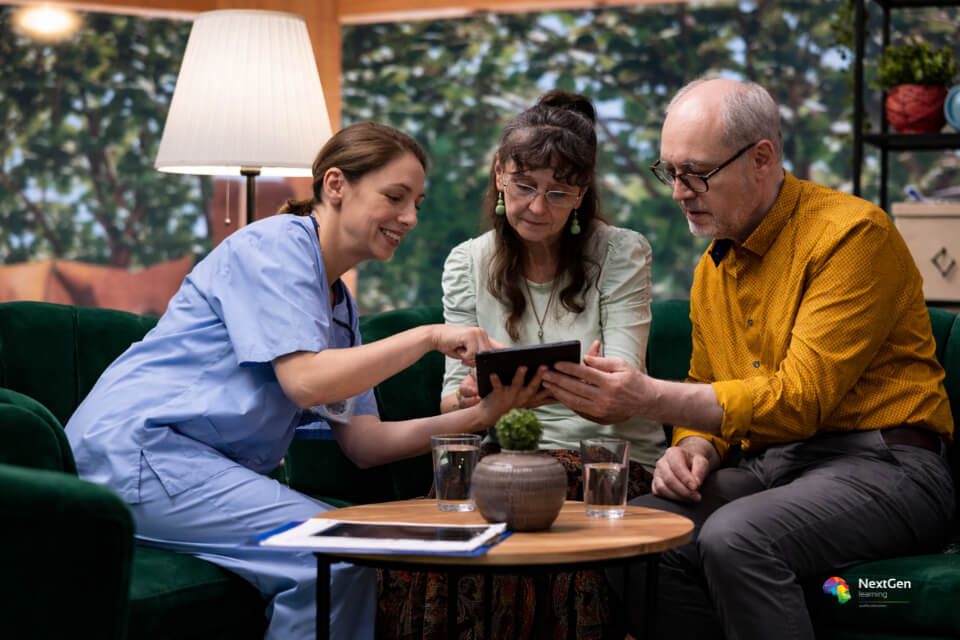
Reducing barriers in health and social care requires a proactive and person-centred approach. Healthcare systems must recognise that individuals have different needs, abilities and circumstances. Therefore, services should adapt to support people effectively rather than expecting everyone to navigate the system in the same way.
Importantly, overcoming barriers is not only the responsibility of individual professionals. Instead, it involves organisational policies, staff training, accessible environments and inclusive communication strategies. When these elements work together, health and social care services become easier to access and more responsive to the communities they serve.
Several practical strategies can help reduce barriers and improve access to care.
Improve Communication and Accessible Information
Clear communication is one of the most effective ways to reduce barriers in care. When service users understand their health conditions and treatment options, they can make informed decisions about their care.
Professionals can improve communication by:
- Using simple, clear language – Avoid medical jargon and explain information in a way that patients can easily understand.
- Providing translation or interpretation services – Language support helps individuals who are not fluent in English communicate effectively.
- Using visual aids and written materials – Diagrams, leaflets and digital resources can support understanding.
- Encouraging questions and feedback – Patients should feel comfortable asking for clarification about their care.
By improving communication, healthcare providers can ensure that service users remain fully involved in decisions about their health.
Use Person-Centred Care Approaches
Person-centred care focuses on respecting each individual’s preferences, values and unique circumstances. This approach helps professionals recognise potential barriers and adapt care accordingly.
Person-centred care can reduce barriers by:
- Listening actively to service users – Understanding personal experiences helps professionals identify challenges affecting access to care.
- Involving individuals in decision-making – Patients should participate in planning their treatment and support.
- Respecting cultural and religious needs – Care providers should remain sensitive to beliefs that may influence healthcare choices.
- Adapting services when possible – Flexible appointment times or alternative communication methods can improve accessibility.
As a result, individuals feel more respected, confident and supported within healthcare environments.
Strengthen Equality, Inclusion and Cultural Awareness
Healthcare professionals must ensure that services remain inclusive for individuals from diverse backgrounds. Cultural awareness and equality-focused practices can help reduce misunderstandings and discrimination.
Important actions include:
- Promoting equality and diversity training for staff – Training improves understanding of different cultural perspectives and social challenges.
- Addressing unconscious bias – Professionals should recognise and challenge stereotypes that may affect care delivery.
- Respecting cultural traditions and beliefs – Understanding cultural practices helps professionals provide more respectful care.
- Creating welcoming environments – Inclusive policies and respectful communication can build trust with service users.
These practices encourage individuals from all communities to feel comfortable accessing care services.
Improve Access Through Flexible and Supportive Services
Healthcare organisations can reduce barriers by designing services that are easier for people to access. Flexible systems allow individuals with different responsibilities or circumstances to receive support more easily.
Organisations can improve access by:
- Offering flexible appointment times – Evening or weekend appointments can help people who work during standard hours.
- Providing community-based services – Local clinics or outreach programmes reduce travel barriers.
- Supporting transportation options – Patient transport services can help individuals attend appointments.
- Reducing complex administrative processes – Simple booking systems and clear guidance help individuals navigate healthcare services more easily.
When services are designed with accessibility in mind, more people can receive timely care.
Use Technology Without Excluding Vulnerable Users
Digital tools can improve healthcare efficiency. However, organisations must ensure that technology does not create new barriers.
Healthcare providers can balance technology and accessibility by:
- Offering both digital and traditional booking options – Patients should be able to book appointments online or by phone.
- Providing digital support for patients – Guidance and assistance can help individuals learn how to use healthcare platforms.
- Maintaining face-to-face services when needed – Some patients prefer in-person interactions with healthcare professionals.
- Ensuring digital systems are user-friendly – Simple, accessible platforms help people navigate services more easily.
By designing technology carefully, healthcare organisations can improve convenience without excluding vulnerable groups.
Invest in Training and Professional Development
Training plays a crucial role in helping professionals recognise and reduce barriers in care environments. When staff understand the challenges service users may face, they can respond more effectively and deliver inclusive support.
Training programmes can help professionals:
- Develop communication skills – Professionals learn how to explain complex health information clearly.
- Understand equality and diversity principles – Staff become more aware of cultural and social differences.
- Recognise barriers affecting vulnerable groups – Training improves awareness of accessibility challenges.
- Apply person-centred care practices – Professionals learn how to adapt care to individual needs.
As a result, well-trained staff can provide more responsive and supportive care experiences.
Understanding Barriers as Part of a Care Career
Recognising communication, accessibility, cultural and other barriers is an important part of working effectively with people who use care services. If you are considering a career in the sector, our How to Become a Health and Social Care Worker in the UK guide explains the main entry routes, training considerations and career pathways.
How Training Helps Professionals Reduce Barriers in Care

Education and professional training play a key role in helping health and social care workers recognise and reduce barriers in care settings. Although many barriers arise from structural or social factors, well-trained professionals can identify challenges early and adapt their approach to support service users more effectively. Consequently, training helps ensure that care remains accessible, respectful and inclusive.
Moreover, modern health and social care environments are increasingly diverse. Professionals often support individuals from different cultural backgrounds, age groups and health conditions. Therefore, continuous learning helps staff develop the knowledge and practical skills needed to respond to these varied needs with confidence.
Training programmes focused on health and social care practice typically help professionals:
- Improve communication with service users – Professionals learn techniques for explaining information clearly, listening actively and supporting individuals with different communication needs.
- Understand equality, diversity and inclusion – Training helps staff recognise how discrimination, cultural differences and social inequalities can affect access to care.
- Develop person-centred care skills – Professionals learn how to adapt services to individual preferences, beliefs and circumstances.
- Recognise barriers affecting vulnerable groups – Education helps staff understand the challenges faced by older adults, people with disabilities, or individuals experiencing financial hardship.
- Strengthen problem-solving and care planning abilities – Professionals learn how to identify obstacles and implement practical solutions that improve access to services.
Because of these benefits, many professionals choose structured learning to strengthen their understanding of communication, safeguarding, person-centred care and inclusive practice. If broader health and social care knowledge matches your learning goals, you can review the curriculum and study format of our Level 3 Health and Social Care course
Ultimately, training equips professionals with the skills needed to deliver more accessible, compassionate and effective care. When staff understand the barriers individuals may face, they are better prepared to remove obstacles and ensure that everyone receives the support they need.
Frequently Asked Questions About Barriers in Health and Social Care
Barriers in health and social care are obstacles that prevent people from accessing or understanding care services. Common barriers include communication issues, physical accessibility problems, financial limitations, cultural differences, geographical distance and digital exclusion.
Communication barriers are among the most common. Language differences, complex medical terms, hearing difficulties, or lack of translation support can make it difficult for patients to explain symptoms or understand treatment instructions.
Communication barriers can cause misunderstandings about symptoms, treatments or medication. As a result, patients may follow instructions incorrectly, feel less confident in care services and experience delays or errors in treatment.
Professionals can reduce barriers by using clear language, providing interpreters, ensuring accessible facilities, respecting cultural differences, offering flexible appointments and supporting individuals who struggle with digital healthcare systems.
Person-centred care helps reduce barriers by focusing on individual needs, preferences and experiences. Professionals listen carefully, respect cultural beliefs and involve patients in decisions, which improves understanding, trust and access to care.
Final Thoughts
Barriers in health and social care can affect how easily individuals access services, communicate with professionals and receive the support they need. These barriers may arise from communication challenges, physical accessibility issues, cultural differences, financial limitations, or geographical distance. Therefore, recognising and addressing these obstacles is essential for delivering inclusive and effective care.
Moreover, reducing barriers helps create a more person-centred and equitable healthcare environment. When professionals adapt communication methods, improve accessibility and respect individual needs, service users feel more confident and supported throughout their care journey. As a result, healthcare outcomes improve and trust between patients and providers becomes stronger.
For professionals and learners, developing a deeper understanding of barriers is an important step toward providing safe, respectful and accessible health and social care services for everyone.
Where to Go Next?
If you want to understand how barriers fit within the wider health and social care sector, read our What Is Health and Social Care? guide.
If you are considering working in care, our How to Become a Health and Social Care Worker in the UK guide explains entry routes, training and career progression.
If you are already comparing training options, use our Best Health and Social Care Courses UK guide to compare Health and Social Care Level 3, Nursing Assistant training and Care Certificate learning.
If broader health and social care knowledge already matches your goal, you can also explore our Level 3 Health and Social Care course.

0 responses on "Barriers in Health and Social Care: Types, Examples & Solutions"