




Ultimately, the future of health and social care focuses on creating systems that are more integrated, patient-centred, and technologically advanced. Moreover, by combining innovation with compassionate care, the sector can deliver more effective and accessible services. Furthermore, technology and digital health solutions are transforming how care is delivered and managed. Consequently, the sector will continue to improve the health, dignity, and quality of life for individuals across society.
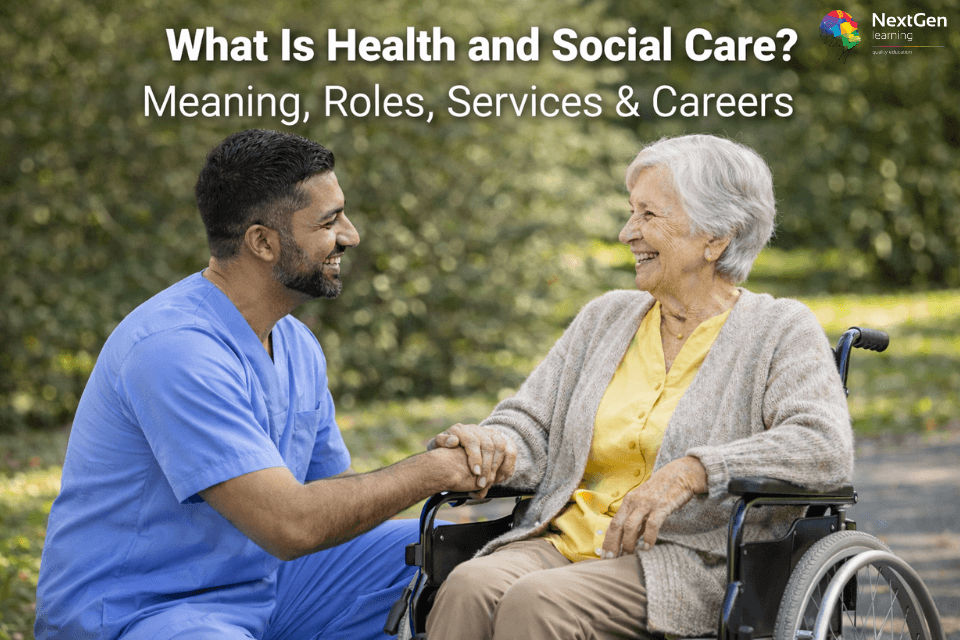
What Is Health and Social Care? Meaning, Roles, Services & Careers
Have you ever wondered what health and social care actually means and why it plays such a vital role in modern society? Every day, millions of people rely on health and social care services to maintain their well-being, recover from illness, and live with dignity. From hospitals and mental health services to home carers and community support workers, this sector supports people at every stage of life.
Health and social care is not limited to medical treatment alone. Instead, it combines healthcare services that treat illness with social care services that help people live independently and safely. Therefore, the sector works as a coordinated support system that improves physical health, emotional well-being, and overall quality of life. In many countries, including the UK, the health and social care sector also plays a crucial role in supporting vulnerable populations such as older adults, people with disabilities, and individuals experiencing mental health challenges.
Moreover, the importance of health and social care continues to grow. As populations age and healthcare needs become more complex, governments and communities increasingly rely on integrated care systems. Consequently, skilled professionals such as nurses, social workers, carers, and therapists collaborate to deliver person-centred care that improves both individual and community well-being.
To better understand the sector, it helps to look at the key areas health and social care covers:
- Medical care and treatment – Hospitals, clinics, and healthcare professionals diagnose illnesses, provide treatment, and support recovery.
- Daily living support – Social care services assist individuals with everyday activities such as personal care, mobility, and household tasks.
- Mental health support – Counselling services, therapy, and psychiatric care help people manage emotional and psychological challenges.
- Community and preventative care – Outreach programmes, rehabilitation services, and public health initiatives promote long-term well-being.
- Support for vulnerable groups – Care services protect and support children, older people and people with disabilities.
In addition, the sector contributes significantly to the economy and workforce. Health and social care is one of the largest employment sectors in many countries, offering a wide range of rewarding careers. As a result, many learners choose to study health and social care courses to build careers that make a meaningful difference in people’s lives.
In this guide, we will explore what health and social care is, why it is important, how healthcare differs from social care, and what roles professionals play within the sector. Furthermore, we will examine the principles, services, and career opportunities that define this essential industry.
Table of Contents
Understanding Health and Social Care (Definition & Meaning)

Health and social care refers to a wide system of services designed to protect, maintain, and improve people’s physical health, mental well-being, and social quality of life. In simple terms, it combines medical healthcare services with social support services to ensure that individuals receive the help they need to live healthy, safe, and independent lives.
Healthcare focuses primarily on diagnosing, treating, and preventing illnesses, whereas social care focuses on supporting daily living and improving quality of life. However, these two systems often work together. As a result, individuals can receive both medical treatment and social support through coordinated care plans. For example, an older person recovering from surgery may receive treatment from healthcare professionals while also receiving home care assistance for daily activities.
Importantly, health and social care supports people at every stage of life. Children, adults, and older people may all require different types of care depending on their health conditions, disabilities, or social circumstances. Therefore, the system is designed to be flexible and person-centred, meaning services adapt to individual needs rather than following a one-size-fits-all approach.
Health and social care typically includes a wide range of services that work together to support well-being:
- Healthcare services – Hospitals, doctors, nurses, therapists, and medical specialists provide treatment, diagnosis, and rehabilitation.
- Social care services – Social workers, care assistants, and support workers help individuals with daily living tasks and emotional support.
- Community care services – Local support programmes provide home care, rehabilitation services, and community-based assistance.
- Mental health services – Counselling, therapy, and psychiatric support help individuals manage emotional and psychological conditions.
- Preventative health services – Public health campaigns, screenings, and education programmes help reduce illness and promote healthy lifestyles.
Furthermore, health and social care operates on the principle that well-being involves more than simply treating illness. Instead, the sector aims to support people’s independence, dignity, and social participation. Consequently, professionals across healthcare and social services often collaborate to deliver integrated care that addresses both medical and social needs.
For instance, a patient living with a chronic condition may receive coordinated care from multiple professionals:
• Doctors and nurses monitor medical conditions and prescribe treatments.
• Physiotherapists help restore mobility and physical function.
• Social workers arrange support services and care plans.
• Home carers assist with daily living activities and personal care.
Because of this collaborative approach, health and social care helps individuals maintain independence while also ensuring their safety and well-being. Ultimately, the goal is to create a system where people receive the right support at the right time, allowing them to live healthier and more fulfilling lives.
Why Health and Social Care Is Important
Health and social care plays a fundamental role in supporting individuals, families, and communities. It ensures that people receive the medical treatment, emotional support, and daily living assistance they need to live healthy and dignified lives. Without strong health and social care systems, many vulnerable individuals would struggle to access essential services or maintain their independence.
Moreover, the sector contributes significantly to public health and social stability. When people receive appropriate care and support, they are more likely to recover from illness, manage long-term conditions, and maintain a better quality of life. As a result, effective health and social care services help reduce hospital admissions, prevent serious health complications, and improve overall well-being.
In addition, health and social care systems help address growing societal challenges. Aging populations, increasing mental health concerns, and rising chronic diseases have created a greater demand for integrated care services. Therefore, health and social care organisations work together to deliver preventative care, early intervention, and long-term support for individuals who need it most.
The importance of health and social care can be seen through several key contributions to society:
- Improving quality of life – Care services support individuals with medical treatment, rehabilitation, and daily living assistance, allowing them to live comfortably and independently.
- Supporting vulnerable populations – Older adults, people with disabilities, and individuals with mental health conditions receive specialised care and protection.
- Promoting independence and dignity – Social care services help individuals maintain control over their lives while receiving necessary support.
- Reducing health inequalities – Health and social care programmes ensure that disadvantaged communities have access to essential services.
- Preventing illness and long-term complications – Preventative healthcare, screenings, and early intervention reduce the risk of serious health problems.
Furthermore, health and social care has a major economic impact. The sector employs millions of professionals worldwide, including doctors, nurses, social workers, therapists, and care assistants. Consequently, it remains one of the largest employment sectors and offers a wide range of career opportunities for individuals interested in helping others.
Equally important, strong health and social care systems contribute to healthier communities. When individuals receive proper care and support, they are better able to participate in education, employment, and social activities. Therefore, investing in health and social care ultimately strengthens both public health and community well-being.
In summary, health and social care is essential for maintaining the health, safety, and dignity of individuals across society. By combining medical services with social support systems, the sector creates a comprehensive network of care that helps people live longer, healthier, and more fulfilling lives.
Difference Between Healthcare and Social Care

Although people often use the terms interchangeably, healthcare and social care are not the same. Both systems support people’s well-being; however, they serve different purposes and operate in different ways. Understanding the difference helps individuals access the right services and also highlights how both sectors work together to provide comprehensive care.
Healthcare primarily focuses on diagnosing, treating, and preventing medical conditions. Doctors, nurses, therapists, and other healthcare professionals provide clinical care in hospitals, clinics, and medical facilities. Their goal is to improve physical and mental health through medical treatment, rehabilitation, and preventative healthcare.
In contrast, social care focuses on supporting individuals with everyday living activities when illness, disability, or age makes independent living difficult. Social care services help people maintain dignity, independence, and participation in society. These services often take place in homes, care facilities, or community settings rather than medical environments.
Moreover, healthcare services usually address short-term or clinical needs, whereas social care often supports long-term living needs. However, the two systems frequently work together. For example, someone recovering from surgery may receive hospital treatment from healthcare professionals while also receiving home care support from social care workers.
To better understand how these two sectors differ, consider the following key distinctions:
- Focus of care – Healthcare concentrates on treating illnesses and medical conditions, while social care focuses on helping people manage daily life and maintain independence.
- Professionals involved – Healthcare is delivered by doctors, nurses, and medical specialists, whereas social care is delivered by social workers, care assistants, and support workers.
- Care settings – Healthcare services are commonly provided in hospitals, clinics, and medical centres, while social care services are often delivered in homes, residential care facilities, or community centres.
- Type of support provided – Healthcare includes treatments such as surgeries, medications, and therapies, whereas social care includes assistance with washing, dressing, meal preparation, and emotional support.
- Nature of care approach – Healthcare tends to follow a clinical and treatment-focused approach, while social care focuses on holistic support and long-term well-being.
Despite these differences, healthcare and social care are closely interconnected. In many situations, individuals require support from both systems simultaneously. For instance, an older person with mobility issues may receive medical treatment from healthcare professionals while also receiving assistance with daily activities from social care workers.
Consequently, modern care systems increasingly adopt integrated care models, where healthcare providers and social care professionals collaborate to deliver coordinated support. This approach ensures individuals receive the right care at the right time, improving both health outcomes and overall quality of life.
Roles and Responsibilities in Health and Social Care
Health and social care services rely on a wide range of professionals who work together to support individuals’ physical health, emotional well-being, and daily living needs. Each professional has specific responsibilities; however, collaboration between different roles ensures that people receive comprehensive and person-centred care.
Healthcare professionals mainly focus on medical treatment, diagnosis, and rehabilitation. At the same time, social care professionals concentrate on supporting individuals with everyday living and promoting independence. Therefore, when these roles work together, they create a coordinated system that addresses both medical and social needs.
In many care settings, professionals collaborate through multidisciplinary teams. This approach allows experts from different fields to contribute their knowledge and create effective care plans for individuals with complex needs. As a result, service users receive holistic support that considers physical, emotional, and social aspects of well-being.
Several key professionals contribute to health and social care services:
- Doctors and General Practitioners (GPs) – Diagnose illnesses, provide medical treatment, prescribe medication, and refer patients to specialists when necessary.
- Nurses – Deliver hands-on patient care, administer treatments, monitor recovery, and provide emotional support to patients and families.
- Social Workers – Assess individual needs, coordinate care services, and help vulnerable individuals access support within communities.
- Care Assistants – Provide personal care support such as helping with washing, dressing, eating, and mobility.
- Support Workers – Assist individuals with disabilities, mental health conditions, or social challenges in maintaining independence.
- Physiotherapists and Occupational Therapists – Help individuals regain mobility, adapt to daily tasks, and improve physical function after illness or injury.
Furthermore, professionals within the sector share several core responsibilities that guide their work. These responsibilities ensure that care remains safe, respectful, and focused on individual needs:
- Providing person-centred care – Professionals tailor care plans according to each individual’s preferences, needs, and circumstances.
- Protecting safety and well-being – Care workers follow safeguarding practices and maintain safe environments for service users.
- Supporting independence – Care services encourage individuals to maintain control over their lives whenever possible.
- Communicating effectively – Clear communication between professionals, service users, and families ensures coordinated care.
- Maintaining professional standards – Health and social care professionals follow ethical guidelines, legislation, and regulatory frameworks.
Because of these combined responsibilities, the health and social care sector operates as a collaborative system rather than isolated professions. Each professional contributes specialised knowledge and skills, while teamwork ensures that individuals receive comprehensive and compassionate care.
Ultimately, the shared goal of all health and social care professionals is to improve people’s health, dignity, independence, and overall quality of life.
Core Principles in Health and Social Care

Health and social care services are guided by a set of fundamental principles that ensure care is safe, ethical, respectful, and person-centred. These principles shape how professionals interact with individuals, make decisions, and deliver support. Therefore, they help maintain high standards of care while protecting the rights and dignity of service users.
Importantly, these principles ensure that individuals receive care that not only addresses their health needs but also respects their independence and personal choices. As a result, professionals must consistently apply these principles when planning care, communicating with service users, and making critical decisions.
Several key principles form the foundation of health and social care practice.
Duty of Care
Duty of care refers to the legal and ethical responsibility that professionals have to protect the safety and well-being of individuals receiving care. Every care worker, nurse, or social worker must act in ways that prevent harm and promote the best interests of service users.
In practice, duty of care involves several responsibilities:
- Protecting individuals from harm – Care professionals must ensure safe environments and reduce risks that could endanger service users.
- Providing appropriate care and support – Professionals must deliver services that meet recognised standards and individual needs.
- Reporting concerns or risks – If abuse, neglect, or unsafe conditions are suspected, professionals must report them through proper safeguarding procedures.
- Balancing safety and independence – Care workers must support individuals’ choices while ensuring those choices do not lead to serious harm.
By following duty of care principles, professionals maintain accountability and ensure that individuals receive reliable and responsible care.
Safeguarding
Safeguarding is the process of protecting vulnerable individuals from abuse, neglect, exploitation, or harm. This principle is especially important for children, older people and people with disabilities who may be at greater risk of mistreatment.
Safeguarding practices involve several key actions:
- Recognising signs of abuse or neglect – Professionals must identify warning signs such as unexplained injuries, behavioural changes, or emotional distress.
- Reporting safeguarding concerns – Suspected abuse must be reported through appropriate organisational or legal channels.
- Protecting individuals’ rights and dignity – Safeguarding ensures people are treated with respect and protected from harm.
- Creating safe care environments – Organisations must implement policies, staff training, and background checks to prevent abuse.
Effective safeguarding ensures that care environments remain safe, supportive, and respectful for all individuals.
Risk Assessment
Risk assessment is a proactive process used to identify potential hazards and reduce the likelihood of harm. Health and social care professionals use risk assessments to evaluate situations and implement preventive measures before problems occur.
A typical risk assessment process involves several steps:
- Identifying possible hazards – Professionals examine environments or activities that may pose risks.
- Evaluating who might be affected – Care workers consider how service users, staff, or visitors may be impacted.
- Implementing safety measures – Precautions such as assistive equipment, safety protocols, or supervision help reduce risks.
- Reviewing and monitoring risks regularly – Care plans are updated to reflect changing circumstances or needs.
However, risk management does not mean eliminating all risk. Instead, professionals aim to balance safety with independence, allowing individuals to maintain control over their lives while remaining protected.
Legislation and Regulations
Health and social care services operate within a legal framework designed to protect service users and ensure quality care standards. Laws and regulations guide how professionals deliver care, manage information, and protect individuals’ rights.
Key areas of legislation typically cover:
Protection of vulnerable individuals – Laws ensure children, older adults, and people with disabilities receive appropriate care and protection.
- Confidentiality and data protection – Regulations require professionals to handle personal information securely and responsibly.
- Equality and non-discrimination – Legislation ensures individuals receive fair treatment regardless of background, gender, disability, or ethnicity.
- Professional accountability – Regulatory bodies monitor care providers to maintain professional standards.
Therefore, understanding legislation is essential for all health and social care professionals. Compliance not only protects individuals receiving care but also strengthens public trust in the care system.
Communication in Health and Social Care

Communication is one of the most important elements of effective health and social care. It enables professionals to understand individuals’ needs, explain care plans clearly, and build trusting relationships with service users and their families. Therefore, strong communication skills help ensure that care remains safe, respectful, and person-centred.
Moreover, effective communication improves collaboration between healthcare professionals, social workers, carers, and other support staff. When information is shared clearly, teams can coordinate care more efficiently and avoid misunderstandings that could affect a person’s well-being. As a result, communication plays a critical role in delivering high-quality care and improving health outcomes.
Good communication in health and social care helps achieve several important outcomes:
- Building trust with service users – Clear and respectful conversations help individuals feel valued and understood.
- Ensuring accurate care delivery – Professionals can gather correct information about symptoms, needs, and preferences.
- Supporting emotional well-being – Compassionate communication helps reduce anxiety and stress, especially for vulnerable individuals.
- Improving teamwork between professionals – Effective communication ensures that doctors, nurses, and care workers share vital information about a patient’s care.
- Preventing errors and misunderstandings – Clear instructions and documentation reduce the risk of mistakes in treatment or support.
Health and social care professionals use several types of communication depending on the situation and the needs of the individual.
- Verbal communication – Spoken conversations during consultations, meetings, or telephone calls. Clear tone and simple language are essential.
- Non-verbal communication – Body language, facial expressions, gestures, and eye contact often communicate emotions and understanding.
- Written communication – Care plans, medical records, reports, and emails ensure accurate documentation of care.
- Visual communication – Diagrams, charts, and images help explain medical information or routines, especially for individuals with learning difficulties.
- Digital communication – Telehealth systems, messaging platforms, and electronic health records support remote consultations and information sharing.
However, communication in health and social care can sometimes face barriers. Professionals must recognise these challenges and adapt their communication styles to ensure that service users fully understand their care.
Common barriers to effective communication include:
- Language differences – Service users may speak different languages or have limited understanding of medical terminology.
- Sensory impairments – Hearing or vision loss may affect communication.
- Cognitive conditions – Dementia, learning disabilities, or brain injuries can make communication more complex.
- Cultural differences – Beliefs, traditions, and communication styles may vary across cultures.
- Emotional distress – Fear, pain, or anxiety may affect how individuals express themselves.
To overcome these barriers, professionals often use interpreters, simplified language, assistive communication tools, and active listening techniques. Consequently, adapting communication methods helps ensure that every individual receives clear information and compassionate care.
Ultimately, effective communication strengthens relationships between professionals and service users. When people feel heard and understood, they are more likely to engage with their care plans and maintain positive health outcomes.
Want to explore this area in more detail? Our Essential Communication Skills in Health and Social Care guide explains active listening, verbal communication and non-verbal communication with practical care-setting examples.
Communication is only one type of challenge that can affect access to care. Our guide to Barriers in Health and Social Care explains communication, physical, cultural, financial, digital and other barriers, along with practical ways they may be reduced.
Examples of Health and Social Care Services
Health and social care services include a wide range of support systems designed to meet the medical, emotional, and social needs of individuals. These services operate in different settings, including hospitals, community centres, care homes, and people’s own homes. Therefore, they provide flexible support for individuals at various stages of life and with different care needs.
Healthcare services focus primarily on diagnosing, treating, and managing health conditions. In contrast, social care services concentrate on helping individuals maintain independence and manage daily living activities. However, both types of services often work together to provide integrated care that improves long-term well-being.
Healthcare services typically include several essential facilities and professionals:
- Hospitals – Provide emergency treatment, surgical procedures, maternity care, and specialised medical services.
- General Practitioners (GPs) – Offer primary healthcare services, medical advice, prescriptions, and referrals to specialists.
- Community health clinics – Deliver preventative care such as vaccinations, screenings, and chronic disease management.
- Mental health services – Provide counselling, therapy, psychiatric treatment, and support for individuals experiencing mental health conditions.
- Ambulance and emergency services – Respond to urgent medical situations and transport patients to healthcare facilities.
Social care services, on the other hand, support individuals who may struggle with daily tasks due to age, disability, illness, or other challenges. These services help people maintain dignity, independence, and participation in society.
Common examples of social care services include:
- Home care services – Care assistants visit individuals in their homes to help with personal care, meal preparation, medication reminders, and household tasks.
- Residential care homes – Provide long-term accommodation and support for individuals who require continuous assistance.
- Day care centres – Offer social activities, therapy programmes, and support for older adults or individuals with disabilities.
- Supported living services – Help people with learning disabilities or additional support needs live independently in their own homes.
- Respite care services – Provide temporary care to give family caregivers a break while ensuring individuals continue receiving support.
In many modern systems, healthcare and social care services are increasingly delivered through integrated care models. These models encourage professionals from different sectors to collaborate and create coordinated care plans.
For example, integrated care may involve several professionals working together:
- Doctors and nurses provide medical treatment and monitor health conditions.
- Physiotherapists support recovery and improve mobility after illness or injury.
- Social workers coordinate care services and arrange community support.
- Care assistants help with everyday activities and personal care.
Because of this collaborative approach, individuals receive more comprehensive support that addresses both medical needs and everyday living challenges. Consequently, integrated care systems help improve health outcomes, reduce hospital admissions, and enhance overall quality of life.
Careers in Health and Social Care

Health and social care offers a wide range of rewarding career opportunities for individuals who want to make a positive impact on people’s lives. Because the sector supports individuals at every stage of life, it requires professionals with diverse skills, qualifications, and specialisations. As a result, health and social care has become one of the largest and fastest-growing employment sectors in many countries.
Moreover, the demand for health and social care professionals continues to increase. Aging populations, rising healthcare needs, and greater awareness of mental health have created a growing need for trained workers across hospitals, community services, care homes, and social support organisations. Consequently, individuals who study health and social care often find strong career prospects and long-term job stability.
The sector includes a variety of career paths across both healthcare and social support services:
- Nurse – Provides patient care, administers treatments, and supports individuals recovering from illness or injury.
- Social Worker – Assesses the needs of vulnerable individuals and helps them access community support services.
- Care Assistant – Supports individuals with personal care, daily living activities, and emotional well-being.
- Support Worker – Assists people with disabilities, mental health conditions, or social challenges to live independently.
- Occupational Therapist – Helps individuals develop skills needed for everyday living after injury, illness, or disability.
- Physiotherapist – Supports recovery and mobility through physical therapy and rehabilitation programmes.
- Mental Health Practitioner – Provides psychological support, therapy, and mental health treatment.
In addition, health and social care careers can develop across different levels of responsibility. Many professionals begin with entry-level roles and gradually progress into specialised or leadership positions through experience and further training.
Career progression within the sector may include:
- Entry-level roles – Care assistants, support workers, and community care workers.
- Professional roles – Nurses, therapists, social workers, and healthcare practitioners.
- Specialist roles – Mental health specialists, safeguarding officers, or rehabilitation experts.
- Management roles – Care home managers, healthcare administrators, or social care coordinators.
Furthermore, working in health and social care offers more than just career stability. Many professionals choose this sector because it allows them to support vulnerable individuals, improve community well-being, and contribute to meaningful social change.
Some of the key benefits of careers in health and social care include:
• Making a positive difference in people’s lives
• Strong demand for skilled professionals
• Opportunities for career progression and specialisation
• Flexible work environments across healthcare and community settings
• Personal fulfilment through helping others
Therefore, individuals who are compassionate, patient, and motivated to support others often find health and social care to be a highly fulfilling career path.
Thinking About a Career in Health and Social Care?
If learning about the sector has made you interested in working in care, the next step is understanding the different entry routes, qualifications and workplace requirements.
Read our How to Become a Health and Social Care Worker in the UK guide for a step-by-step overview of career routes, training and progression.
Skills Needed for Health and Social Care Jobs
Working in health and social care requires a combination of professional knowledge, practical abilities, and strong interpersonal skills. Because professionals regularly interact with individuals who may be vulnerable, unwell, or experiencing emotional distress, they must demonstrate both technical competence and compassion.
Moreover, health and social care professionals often work in fast-paced and emotionally demanding environments. Therefore, developing the right skills helps professionals provide safe, respectful, and person-centred care. These skills also help workers collaborate effectively with colleagues, families, and other care providers.
Several essential skills are particularly important for success in health and social care roles.
- Communication skills – Professionals must communicate clearly with service users, families, and colleagues to ensure accurate care and understanding.
- Empathy and compassion – Care workers must understand the emotional needs of individuals and treat them with kindness and respect.
- Patience and emotional resilience – Supporting vulnerable individuals often requires patience, especially when dealing with challenging situations or long-term care needs.
- Problem-solving skills – Care professionals must quickly assess situations and make decisions that protect individuals’ safety and well-being.
- Teamwork and collaboration – Health and social care services rely on multidisciplinary teams working together to deliver coordinated care.
- Observation and attention to detail – Professionals must notice changes in a person’s health, behaviour, or environment to respond appropriately.
- Time management – Managing multiple responsibilities and care tasks requires strong organisational skills.
In addition to interpersonal abilities, professionals also need practical care-related skills to perform their roles effectively.
- Personal care support – Assisting individuals with tasks such as bathing, dressing, mobility, and medication reminders.
- Record keeping and documentation – Maintaining accurate care records and reports to support coordinated care.
- Understanding safeguarding procedures – Protecting vulnerable individuals from harm or neglect.
- Knowledge of health conditions – Recognising symptoms and understanding how different conditions affect individuals.
Furthermore, many of these skills can be developed through training programmes, practical experience, and health and social care courses. As individuals gain experience in the sector, they often strengthen their professional skills and build confidence in supporting others.
Ultimately, successful health and social care professionals combine technical competence with genuine compassion. When these skills work together, they enable professionals to deliver high-quality care that improves the health, dignity, and independence of those they support.
Qualifications for Health and Social Care

To work in health and social care, individuals usually need a combination of formal qualifications, professional training, and practical experience. The specific qualifications required often depend on the role, level of responsibility, and the type of organisation. However, many people begin their careers with entry-level training and then progress into specialised roles through further education.
Moreover, qualifications help professionals develop the knowledge and practical skills needed to deliver safe, ethical, and effective care. As a result, employers often look for candidates who have completed recognised training programmes or health and social care courses.
Several types of qualifications can help individuals enter or advance in the health and social care sector.
- Health and Social Care Certificates – Short professional courses introduce key topics such as safeguarding, communication, and person-centred care.
- Diploma in Health and Social Care – Diploma programmes provide structured learning in areas such as care planning, ethics, legislation, and professional practice.
- Vocational Qualifications – Practical training programmes prepare learners for hands-on care roles in real workplace environments.
- Undergraduate Degrees – Degrees in nursing, social work, healthcare management, or public health allow individuals to pursue specialised professional careers.
- Professional Training and CPD Courses – Continuing professional development courses help professionals update their skills and remain compliant with industry standards.
Entry-level roles in social care often require basic training and on-the-job experience, which allows individuals to gain practical knowledge while working. However, advanced healthcare roles such as nursing or social work usually require university-level qualifications and professional registration.
In addition to academic qualifications, many health and social care professionals complete specialised training in important areas such as:
• Safeguarding and protection of vulnerable individuals
• First aid and emergency care
• Mental health awareness and support
• Communication and person-centred care
• Health and safety procedures in care settings
Furthermore, continuous learning plays an important role in this sector. As healthcare systems evolve and new policies or technologies emerge, professionals must regularly update their knowledge and skills. Therefore, many organisations encourage staff to complete continuing professional development (CPD) training to maintain high standards of care.
Ultimately, qualifications in health and social care provide the foundation for a successful and meaningful career. By gaining the right education and training, individuals can develop the expertise needed to support others while also progressing into specialised or leadership roles within the sector.
If you are comparing different stages of health and social care study, our Health & Social Care Course Levels Explained guide looks at Level 3, Level 4 and Level 5 learning and how the levels differ.
If you are already considering training but are unsure which care course fits your goal, our Best Health and Social Care Courses UK guide compares broader Health and Social Care training, Nursing Assistant training and Care Certificate learning.
Future of Health and Social Care
The future of health and social care is rapidly evolving as societies respond to new health challenges, demographic changes, and technological advancements. As populations age and healthcare demands increase, the sector must continue adapting to provide effective, accessible, and sustainable care. Therefore, governments, healthcare organisations, and communities are investing in new strategies that improve both care delivery and patient outcomes.
One of the most significant drivers of change is the aging global population. Many countries are experiencing a steady rise in the number of older adults who require long-term care and support. As a result, the demand for trained health and social care professionals continues to grow. Consequently, the sector will require more nurses, carers, therapists, and social workers to support the increasing needs of communities.
At the same time, technological innovation is transforming how care services are delivered. Digital tools now allow professionals to monitor patients remotely, manage electronic health records, and deliver virtual consultations. These developments not only improve efficiency but also make healthcare services more accessible, particularly for individuals living in remote or underserved areas.
Several key trends are shaping the future of health and social care:
- Integrated care systems – Healthcare and social care organisations increasingly collaborate to deliver coordinated support for individuals with complex needs.
- Digital health technologies – Telemedicine, wearable health devices, and digital health records improve monitoring and communication between professionals.
- Preventative healthcare approaches – Public health initiatives focus more on preventing illness rather than only treating diseases.
- Personalised care plans – Care services are becoming more tailored to individual preferences, health conditions, and lifestyles.
- Growing workforce demand – The sector continues to expand, creating new career opportunities across healthcare and social support services.
Furthermore, mental health awareness has become a major priority within modern care systems. As societies recognise the importance of emotional and psychological well-being, health and social care services are expanding mental health support, counselling services, and community-based programmes.
Education and training will also play a crucial role in preparing future professionals. Healthcare organisations increasingly require workers who understand modern technologies, ethical practices, and multidisciplinary care approaches. Therefore, individuals pursuing careers in the sector are encouraged to develop both technical knowledge and compassionate care skills.
Frequently Asked Questions
Health and social care is a system of services that support people’s physical health, mental well-being and daily living. Healthcare treats illness and medical conditions, while social care helps individuals with activities like personal care, mobility and independent living.
Health and social care is important because it provides treatment, support and protection for individuals. It helps vulnerable people, promotes independence, prevents illness and improves overall health and well-being within communities.
Health and social care careers include roles such as nurses, social workers, care assistants, support workers, physiotherapists and mental health practitioners. These professionals work in hospitals, care homes, community services and rehabilitation centres.
Key skills include communication, empathy, teamwork, problem-solving and attention to detail. These skills help professionals understand service users’ needs, work effectively with care teams and provide safe, person-centred support.
Common qualifications include health and social care certificates, diplomas, vocational training and university degrees in nursing or social work. Many professionals also complete CPD training to update their knowledge and skills.
Final Thoughts
Health and social care is one of the most important sectors in modern society. It supports individuals through every stage of life by combining medical treatment, social support, and community services. Furthermore, as healthcare needs continue to grow, the demand for skilled professionals and integrated care systems will also increase.
Therefore, understanding how health and social care works not only helps individuals access support services but also opens opportunities for meaningful careers that improve the lives of others. Moreover, this sector plays a crucial role in protecting vulnerable people and promoting well-being. Consequently, many organisations continue to invest in better healthcare services and training for professionals. Ultimately, health and social care contributes to stronger, healthier communities.
Where to Go Next
If you are interested in working in the sector, start with our How to Become a Health and Social Care Worker in the UK guide to understand the main entry routes, training options and career pathways.
If you are already comparing training options, use our Best Health and Social Care Courses UK guide to compare Health and Social Care Level 3, Nursing Assistant training and Care Certificate learning.
If broader health and social care knowledge is already your priority, you can review the curriculum and study format of our Level 3 Health and Social Care course.

0 responses on "What Is Health and Social Care? Meaning, Roles, Services & Careers"